Is the Bali Elephant Sanctuary Ethical? My Visit to Taro
I have a love-hate relationship with animal tourism. In Bali, you see signs for “Elephant Rides” everywhere, and honestly, they make my stomach turn. The idea of a 3-ton animal carrying a heavy metal chair on its spine just doesn’t sit right with me.
Bali Elephant Sanctuary
But I kept hearing about a different place up in the mountains of Taro. They call it the Mason Elephant Park & Lodge, though many people just refer to it as the Bali Elephant Sanctuary. It claims to be the only dedicated rescue park in Bali for Sumatran elephants. I wanted to see for myself if it was the real deal or just better marketing.
So, I hired a driver and headed north from Ubud, leaving the humidity of the lowlands for the cool, misty air of the highlands.
The Drive to Taro
The drive itself is an experience. The road winds up through endless rice terraces that look like green staircases climbing into the clouds. As we got higher, the temperature dropped. I actually had to roll the windows up and put on a light jacket—a rarity in Bali.
The landscape changed, too. It became quieter. The roar of motorbikes faded, replaced by the sound of rushing water and birds. We arrived at the park, and the first thing I noticed was the smell. It wasn’t the stench of a dirty zoo; it smelled of damp earth, grass, and vegetation.
Meeting the Sumatran Giants
I’ll be honest, my guard was up. But walking into the park, the elephants looked… healthy. That sounds like a low bar, but unfortunately, in this part of the world, it’s significant.
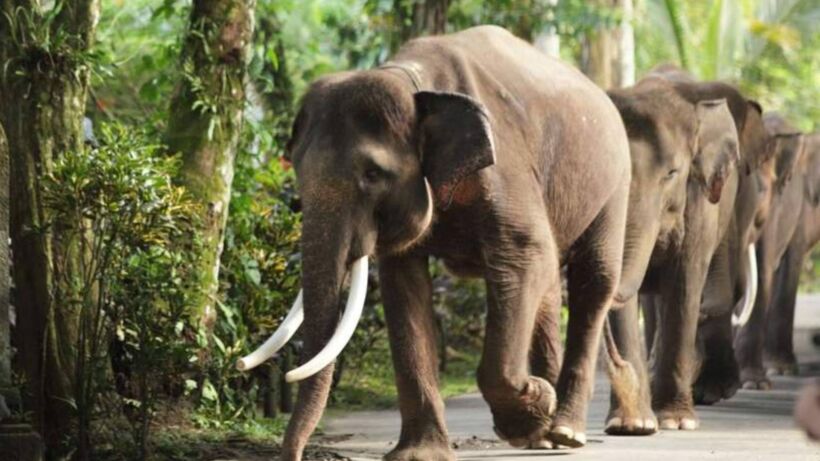
These are Sumatran Elephants, a critically endangered species. They are smaller than their African cousins, with a more rounded shape and smaller ears. I bought a basket of bananas at the entrance—you have to, if you want to make friends fast.
I walked up to a large female named Devi. She reached out with her trunk. The sensation of an elephant’s trunk is bizarre. It’s wet, muscular, and strong, yet it gently plucked a banana from my hand with incredible dexterity. Their skin is surprisingly rough and bristly, like a worn-out doormat, covered in stiff hairs.
The Rescue Story
I spent time talking to one of the mahouts (caretakers). He told me that most of these elephants were rescued from Sumatra, where their habitats were being destroyed by deforestation and farming. They were essentially refugees.
Hearing that changed the vibe for me. It didn’t feel like a circus. It felt like a retirement home with strict rules. They have a massive 3.5 hectares of forested park to roam around in. It’s not the wild, I know, but compared to the chains and street begging I’ve seen elsewhere, it felt like a sanctuary.
Washing and Bathing
The highlight of the day wasn’t just looking at them; it was getting in the water with them.
We headed down to the bathing pool. I rolled up my trousers and waded in. The water was chilly, fed by mountain springs. The elephants slid in, submerging themselves until only their trunks were poking out like snorkels.
Scrubbing an elephant is a workout. You use coarse brushes to scrub their thick hides, getting into the crevices behind their ears. They seemed to love it. One of the babies kept splashing me with water, flapping his ears and trumpeting softly. The mahouts laughed. It was chaotic, wet, and incredibly fun.
There were no hooks used. No shouting. Just verbal commands and gentle guiding hands. That was the biggest relief for me.
The Reality Check: Logistics and Ethics
Is it perfect? No. They are still in captivity. They still sleep in shelters at night and are brought out during the day. If you are a purist who believes no animal should be in human care, this isn’t for you.
But for me, seeing the condition of the elephants, the veterinary care they receive, and the sheer amount of land they have, I felt okay with it. It’s a complex issue. These elephants can’t go back to Sumatra; the forests are gone. This seems to be the best possible alternative for them.
Planning Your Visit
If you decide to go, you need to plan ahead. It’s not a cheap day out, and it’s not down the street from the beach.
Location & Transport
It’s located in Taro, a village in the interior, about 45 minutes to an hour north of Ubud. There is no easy public transport. I hired a private driver for 400,000 IDR ($26 USD) for a half-day return trip. You could try to scooter it if you are comfortable riding steep, winding mountain roads in the mist, but be careful.
Costs
Be prepared for a higher price tag than your average temple visit.
- Entrance Fee: For adults, expect to pay around 850,000 IDR ($55 USD). This includes the park entry, the elephant ride (if you choose to do it), feeding, and the shuttle.
- Why so much? A chunk of this goes toward the conservation fund and the massive amount of food these guys eat. They consume hundreds of kilos of food a day.
What to Bring
- Comfortable Shoes: You’ll be walking on dirt and grass.
- Cash: For extra bananas and tips for the mahouts.
- Change of Clothes: If you do the bathing, you will get wet.
- Insect Repellent: It’s in the jungle/mountains, and the mosquitos can be feisty at dusk.
The Verdict
Walking away from Taro, I didn’t feel that heavy guilt I often feel after visiting animal attractions. I felt like I had supported a place that is actually trying to do the right thing in a difficult situation.
If you want to connect with these animals without supporting the abuse rampant in other parts of Southeast Asia, the Bali Elephant Sanctuary in Taro is a solid choice. Just bring your wallet, and be ready for some slobbery, wet trunk kisses.