Standing at the Foot of a Giant: My Trip to Batu Caves
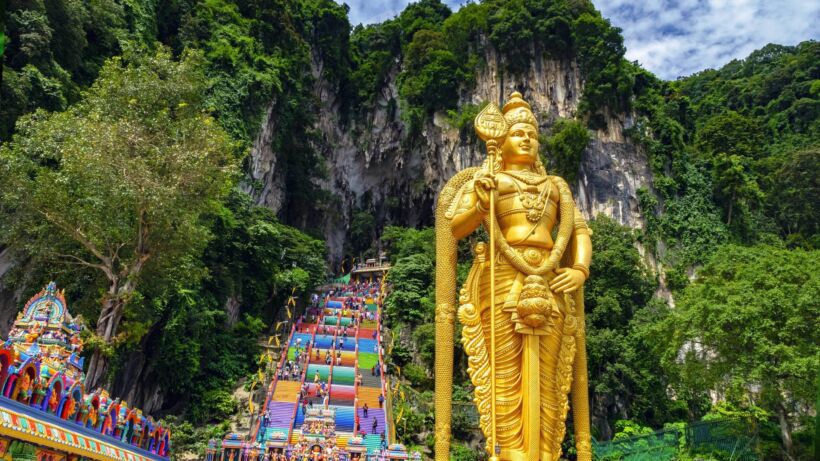
I’ll be honest—the first time I saw the picture of Batu Caves, I thought it was photoshopped. A massive, golden statue standing guard at the base of a towering limestone cliff? It looked too cinematic to be real.
Standing at the Foot of a Giant: My Trip to Batu Caves
But when I finally stepped off the KTM Komuter train in Selangor, about 13 kilometers north of Kuala Lumpur, there it was. The gold was blinding in the Malaysian sun, glowing against the deep grey of the rock face.
It’s one of those places that instantly humbles you. You feel small before you even take your first step.
The Rainbow Climb: 272 Steps of Heat
Everyone talks about the 272 steps. They tell you it’s a workout. They tell you to bring water. But until you’re actually standing at the bottom, looking up at that vertical, multi-colored staircase disappearing into the cave mouth, you don’t really get it.
I went in the late morning, which was a mistake. The humidity was already clinging to my skin like a wet blanket. The air smelled of incense, exhaust fumes from the nearby road, and the faint, musty scent of the jungle that surrounds the site.
I started climbing. The steps have been painted in a vibrant spectrum of colors—red, blue, green, yellow—which makes the ascent feel a bit like walking up a rainbow.
It was tougher than I expected. My calves were burning by step 50. By step 100, I had to stop, pretending to admire the view just so I could catch my breath without looking too out of shape. Around me, devotees were making the trek barefoot, some carrying pots of milk or elaborate structures called kavadi on their shoulders. Seeing their devotion made my complaints about the heat feel pretty trivial.
Watch Your Snacks (and Your Sunglasses)
You can’t talk about Batu Caves without mentioning the locals. And by locals, I mean the monkeys.
They are everywhere. Long-tailed macaques that sit on the railings, play on the banisters, and generally look at you like you owe them money.
They are bold. I made the rookie mistake of buying a bottle of water and holding it loosely while I stopped to tie my shoe. In a split second, a monkey swung down, snatched the bottle, unscrewed the cap with surprising dexterity, and drank half of it before dropping the empty plastic into the ravine.
I saw another one rip a sunglasses right off a tourist’s face. It was hilarious, until I remembered I was wearing mine, too.
My advice? Keep your food hidden. Put your phone in your zippered pocket. And don’t make eye contact if they get too close. They run this place; we’re just visitors.
Inside the Cathedral: Dark, Cool, and Loud
Reaching the top of the steps feels like crossing a finish line. The temperature drops instantly as you step into the shadow of the main cave, known as Temple Cave.
The first thing that hits you is the scale. The ceiling is so high you can’t see the top; it’s just a gaping hole of limestone with beams of light cutting through the darkness like spotlights. The acoustics are wild. A single shout echoes back and forth, turning into a cacophony of noise.
It’s chaotic but spiritual. There are shrines dedicated to Lord Murugan everywhere, draped in flowers and garlands of marigolds. The smell of camphor and burning butter lamps is heavy here.
It’s a strange mix of the sacred and the touristy. You’ll see people praying in quiet corners next to groups of teenagers taking selfies with the monkeys. I found a quiet spot near the back to just sit and absorb the atmosphere. The texture of the cave walls is rough and damp, dripping with moisture that has collected over centuries. It feels ancient.
The Other Caves
Most people climb the main steps, snap a photo, and leave. But I was curious about the other areas.
The Dark Cave
To the left of the main staircase is the entrance to the Dark Cave. You can’t just walk in; you have to join a guided tour, and it costs a bit extra (around 35 MYR). It’s pitch black inside. You’re given a helmet and a torch.
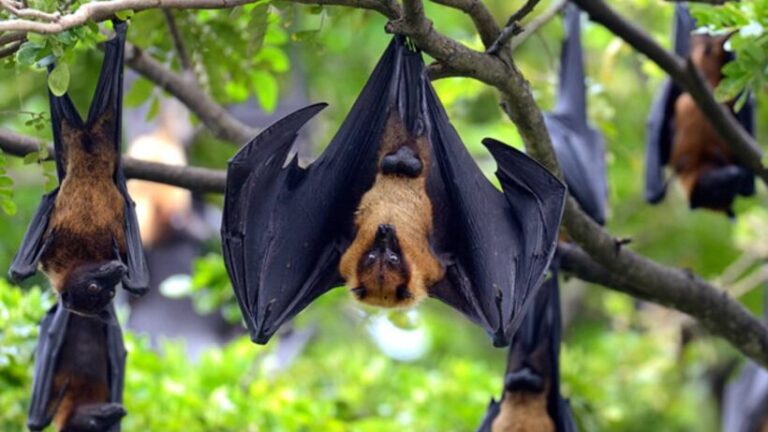
I’m glad I did it. It’s a completely different vibe. The silence is heavy. You see rare trapdoor spiders, strange formations of stalactites, and fruit bats hanging from the ceiling. It feels like a proper adventure, stripping away the color and noise of the temple for raw geology.
Ramayana Cave
At the base of the hill, on the other side, there’s Ramayana Cave. It’s quieter here. There’s a giant statue of Hanuman (the monkey god) and dioramas that tell the story of the Ramayana painted on the walls. It’s a bit campy, honestly, but a nice, calm break from the chaos of the main staircase.
The Logistics: Getting There and Surviving
If you’re planning to go, don’t overcomplicate it. It’s actually one of the easiest day trips from Kuala Lumpur.
Taking the Train
Don’t bother with a Grab or a taxi unless you’re in a massive hurry. The traffic can be brutal.
Take the KTM Komuter. It’s cheap, fast, and drops you right at the Batu Caves station. From the platform, you just walk across the street, and you’re there. The ride from KL Sentral took me about 30 minutes and cost less than the price of a coffee.
Dress Code (Seriously)
This is a religious site. You can’t walk in with shorts and a tank top.
I saw a guy getting turned away at the base because his knees were showing. There are rental places where you can borrow a sarong or a robe, but the lines can be long and the fabrics aren’t always the freshest. Save yourself the hassle and wear long pants or a skirt that covers your knees, and a shirt that covers your shoulders.
Best Time to Go
Go early. I’m talking 8:00 AM early.
By 11:00 AM, the crowds are thick, the heat is oppressive, and the monkeys are at their most aggressive. If you can manage it on a weekday, even better. It gives you a chance to actually see the cave without needing to navigate a sea of people.
Cost
Here is the best part: Entering the main complex is completely free.
You only pay if you want to do the Dark Cave tour or if you need to rent a sarong. There are plenty of food stalls and drink vendors at the base selling coconut water and fresh fruit, all at very reasonable local prices.
Is It Worth It?
Batu Caves is loud, hot, and crowded. It smells a bit like monkeys and incense. It’s also one of the most visually striking places I’ve visited in Malaysia.
Standing at the top, looking out over the skyline of KL in the distance, with the wind cooling the sweat on my neck, I felt that distinct buzz that comes from traveling. It’s not a polished museum experience; it’s raw, vibrant, and alive. Just keep a tight grip on your sunglasses.