Pulau Siau: Ultimate Enchanting Tarsier Paradise
Discover the magical world of Pulau Siau, where tiny tarsiers thrive in pristine Indonesian wilderness. Our complete guide reveals everything you need to know about this hidden Sulawesi paradise.
Pulau Siau
Pulau Siau is a hidden gem in the vast archipelago of Indonesia, offering adventurous travelers a chance to encounter one of the world’s most fascinating primates in its natural habitat. This small volcanic island, located in North Sulawesi, has gained recognition among wildlife enthusiasts as home to the critically endangered Siau Island tarsier, a tiny primate with enormous eyes that captures the imagination of all who see it. For those seeking an off-the-beaten-path experience that combines unique wildlife encounters with dramatic volcanic landscapes, Pulau Siau delivers an unforgettable adventure.
Discovering Pulau Siau and Its Famous Inhabitants
Nestled in the Celebes Sea between the northern tip of Sulawesi and the Sangihe Islands, Pulau Siau spans approximately 130 square kilometers and is dominated by the imposing Mount Awu, an active stratovolcano that reaches 1,320 meters above sea level. According to Dr. Indra Yustian, Indonesian primatologist and conservation researcher (2021), “Pulau Siau represents one of the most important conservation areas for tarsiers in Indonesia, yet it remains relatively unknown to international tourists, which presents both challenges and opportunities for sustainable development.”
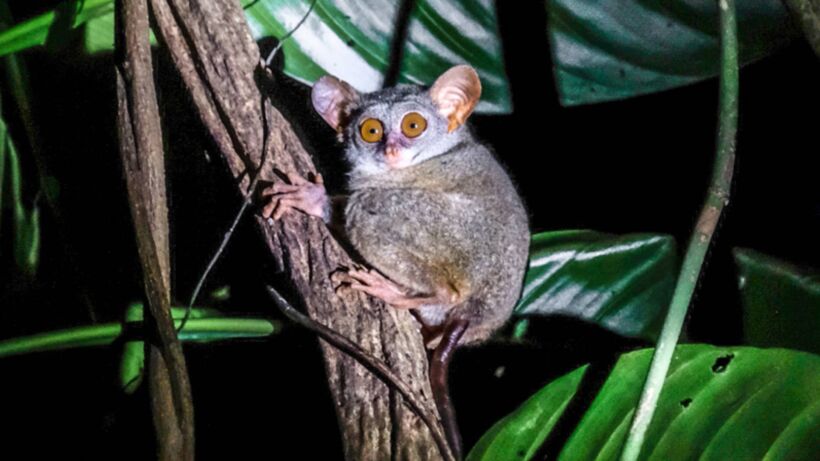
The island’s most famous residents, the Siau Island tarsiers (Tarsius tarsier), are among the smallest primates in the world, with adults weighing just 100-150 grams and measuring only 10-15 centimeters in body length, not including their long tails. These remarkable creatures are distinguished by their enormous eyes, which are each larger than their brains and perfectly adapted for nocturnal hunting. The tarsiers’ unique ability to rotate their heads nearly 180 degrees and their exceptional leaping skills make them fascinating subjects for wildlife observation.
When planning your visit to see these incredible primates, there are several important considerations:
- The best time to observe tarsiers is during their active period from dusk until dawn
- Guided night walks are essential for locating tarsiers in their natural habitat
- Flash photography is strictly prohibited as it can harm the tarsiers’ sensitive eyes
- Visitors must maintain a quiet demeanor to avoid disturbing these easily stressed animals
- Binoculars are recommended for better viewing without getting too close to the animals
Getting to Pulau Siau
Reaching Pulau Siau requires some planning, as it’s not as easily accessible as more mainstream Indonesian destinations. The journey is part of the adventure, offering glimpses of the diverse landscapes and seascapes that characterize this region of Indonesia.
The most common route to Pulau Siau is:
- Fly internationally to Sam Ratulangi International Airport in Manado, North Sulawesi
- Take a domestic flight from Manado to Siau’s small Ulu Siau Airport (operated by Wings Air or Susi Air)
- From the airport, arrange transportation to your accommodation on the island
Alternatively, for those with more time and a sense of adventure, ferries connect Pulau Siau with surrounding islands, including Tahuna and Tagulandang. These ferry services typically run several times per week but schedules can be irregular, particularly during rough weather seasons.
According to the North Sulawesi Tourism Board (2022), approximately 3,000 international visitors make the journey to Pulau Siau annually, with numbers steadily increasing as awareness of this unique destination grows. The island’s remote location and limited tourism infrastructure help maintain its off-the-beaten-path charm while presenting challenges for sustainable development.
The Tarsier Conservation Challenge
The Siau Island tarsier faces numerous threats to its survival, making conservation efforts on the island critically important. According to the International Union for Conservation of Nature (IUCN), the Siau Island tarsier is classified as Critically Endangered, with an estimated wild population of fewer than 2,000 individuals. The primary threats to these tiny primates include habitat loss due to expanding agriculture, volcanic activity from Mount Awu, and capture for the illegal pet trade.
Dr. Myron Shekelle, tarsier expert and conservation biologist (2020), states, “The situation for the Siau Island tarsier is particularly precarious because its entire global population is confined to a single small island with an active volcano. This makes the species extremely vulnerable to extinction from catastrophic events, whether natural or human-caused.”
To address these challenges, several conservation initiatives are underway on Pulau Siau:
- The Tarsius Foundation works with local communities to establish protected forest reserves
- Community-based ecotourism programs provide alternative livelihoods that reduce pressure on tarsier habitat
- Educational outreach in local schools raises awareness about the importance of tarsier conservation
- Research programs monitor tarsier populations and study their behavior and ecology
- Replanting initiatives restore degraded forest areas to expand available habitat
Visitors to Pulau Siau can directly support these conservation efforts by choosing responsible tour operators who follow strict guidelines for tarsier viewing and contribute a portion of their profits to local conservation initiatives.
Exploring Pulau Siau Beyond Tarsiers
While the tarsiers are undoubtedly the main attraction for many visitors, Pulau Siau offers additional natural and cultural experiences that make for a well-rounded visit to this fascinating island.
The dramatic volcanic landscape of Mount Awu provides excellent hiking opportunities for those interested in exploring the island’s geological features. While climbing to the summit requires special permission and is only recommended for experienced hikers due to the volcano’s active status, several lower elevation trails offer stunning views of the surrounding islands and sea.
The island’s coastline features beautiful black sand beaches created by volcanic activity, as well as coral reefs that offer decent snorkeling and diving opportunities. The marine waters around Pulau Siau are home to diverse marine life, including colorful reef fish, sea turtles, and occasional sightings of dolphins.
Cultural experiences on Pulau Siau include:
- Visiting traditional villages where the Siau people maintain their unique customs and way of life
- Exploring historical sites related to the island’s colonial past under Dutch and Portuguese rule
- Sampling local cuisine, which features fresh seafood and spices typical of North Sulawesi
- Attending traditional ceremonies and festivals when timing permits
The Siau people are known for their warm hospitality and rich cultural traditions, which blend elements of Christianity with ancient animist beliefs. Visitors are often welcomed into local communities, providing opportunities for meaningful cultural exchange.
Practical Information for Visitors
When planning your trip to Pulau Siau, there are several practical considerations to keep in mind to ensure a smooth and enjoyable experience.
Accommodation options on the island are limited but growing, ranging from basic homestays to small guesthouses. The most developed area for tourism is around the town of Ulu, where most visitors choose to stay. Booking in advance is recommended, particularly during peak travel periods from June to September.
For tarsier watching, here’s what to expect and how to prepare:
- Tours typically begin around 5:00 PM and last 2-3 hours
- Wear dark-colored clothing to minimize your visibility to the tarsiers
- Bring insect repellent, as mosquitoes can be prevalent in the forested areas
- Wear sturdy walking shoes with good traction for forest trails
- Carry a small flashlight with a red light setting to avoid disturbing the wildlife
- Bring binoculars for better viewing without getting too close to the animals
The climate on Pulau Siau is tropical, with relatively consistent temperatures year-round. The dry season from June to September generally offers the best conditions for outdoor activities, while the rainy season from November to March can make some trails more challenging to navigate.
Health and safety considerations include:
- Ensure routine vaccinations are up to date before traveling
- Consider malaria prophylaxis, as North Sulawesi is in a malaria-risk area
- Drink only bottled or purified water
- Apply sunscreen regularly, as the equatorial sun is strong
- Carry a basic first-aid kit for minor injuries
- Purchase travel insurance that covers medical evacuation, given the island’s remote location
Responsible Tourism on Pulau Siau
As tourism to Pulau Siau develops, maintaining a commitment to responsible and sustainable practices is essential to protect the island’s unique ecosystems and cultures. Visitors can play an important role in ensuring that tourism benefits rather than harms this fragile environment.
Key principles for responsible tourism on Pulau Siau include:
- Choose tour operators who demonstrate genuine commitment to conservation and community development
- Respect all guidelines for wildlife viewing, particularly regarding tarsiers
- Minimize your environmental impact by reducing plastic waste and conserving resources
- Support local businesses and purchase locally made products
- Seek authentic cultural experiences that benefit local communities directly
- Share your experiences responsibly to raise awareness about conservation needs
According to a 2023 sustainable tourism assessment by the Indonesian Ministry of Tourism and Creative Economy, “Pulau Siau represents an important opportunity to develop community-based ecotourism that supports conservation while providing economic benefits to local residents. The island’s unique selling point is its tarsier population, which must be protected through carefully managed tourism practices.”
By following these principles, visitors can help ensure that Pulau Siau remains a pristine haven for its remarkable tarsier population while providing sustainable livelihoods for local communities.
The Future of Pulau Siau
Looking ahead, Pulau Siau stands at a crossroads between increased tourism development and the need to protect its fragile ecosystems and unique wildlife. The island offers a model for how remote communities can balance economic development with environmental conservation when the right approaches are implemented.
Dr. Patricia Wright, renowned primatologist and conservationist (2022), notes, “Pulau Siau represents both a cautionary tale and a beacon of hope for primate conservation. The critically endangered status of its tarsiers highlights the vulnerability of island endemic species, yet the growing commitment to conservation and sustainable tourism offers a path forward that could ensure their survival.
Future initiatives planned for Pulau Siau include:
- Expansion of protected forest areas to create corridors between tarsier populations
- Development of additional community-based tourism enterprises
- Enhanced research facilities to support long-term monitoring of tarsier populations
- Educational programs targeting both local communities and visitors
- Improved infrastructure that minimizes environmental impact while supporting sustainable tourism
For travelers seeking meaningful wildlife experiences that contribute to conservation efforts, Pulau Siau offers a rare opportunity to witness one of the world’s most unique primates while directly supporting the protection of its habitat. The island’s combination of biological significance, cultural richness, and dramatic landscapes creates a destination that appeals to adventurous spirits and conservation-minded travelers alike.
Is Pulau Siau Worth Visiting?
After considering all aspects of Pulau Siau, we can confidently say that this island offers a truly unique experience for the right type of traveler. While it may not appeal to those seeking luxury resorts or mainstream tourist attractions, Pulau Siau delivers an authentic adventure that combines rare wildlife encounters with cultural immersion in a dramatic volcanic setting.
For wildlife enthusiasts, the opportunity to observe the critically endangered Siau Island tarsier in its natural habitat is unparalleled. The knowledge that your visit directly supports conservation efforts adds depth to the experience, transforming a simple wildlife viewing into a meaningful contribution to species protection.
For adventure travelers, the journey to Pulau Siau and the exploration of its volcanic landscapes offer a sense of discovery that is increasingly rare in our well-connected world. The island’s remote location and limited tourism infrastructure preserve a sense of authenticity that has been lost in more developed destinations.
For cultural explorers, the opportunity to engage with the Siau people and learn about their unique traditions and way of life provides insights into the rich cultural tapestry of Indonesia beyond the usual tourist trails.
According to visitor satisfaction surveys conducted by the North Sulawesi Tourism Board (2023), over 90% of international visitors to Pulau Siau rate their experience as “excellent” or “very good,” with particular appreciation for the uniqueness of the tarsier encounters and the warmth of local hospitality.
Are you ready?
Ready to embark on a journey to one of Indonesia’s most fascinating wildlife destinations? Start planning your adventure to Pulau Siau today by researching flight options to Manado, connecting with responsible tour operators who specialize in tarsier conservation, and preparing for an unforgettable encounter with one of the world’s most remarkable primates. The tarsiers of Pulau Siau are waiting to capture your imagination and inspire your commitment to conservation!
Summary
- Pulau Siau in North Sulawesi is home to the Siau Island tarsier, one of the world’s smallest primates.
- The island’s tarsier population faces critical endangerment with fewer than 2,000 individuals remaining in the wild.
- Visitors can observe tarsiers on guided night tours through the island’s protected forest reserves.
- The island features an active volcano, Mount Awu, which last erupted in 2004 and dominates the landscape.
- Access to Pulau Siau requires a flight from Manado to Siau’s small airport or a ferry from surrounding islands.