Alas Kedaton: Enchanting Wildlife Sanctuary Experience
Discover the natural wonder of Alas Kedaton, where playful monkeys and majestic flying foxes coexist in a sacred forest sanctuary. Our guide reveals everything you need to know about this unique Bali wildlife destination.
- Alas Kedaton
- Discovering Alas Kedaton Monkey Forest
- Getting to Alas Kedaton
- The Unique Experience at Alas Kedaton
- Practical Information for Visitors
- The Wildlife of Alas Kedaton
- The Cultural Significance of Alas Kedaton
- Conservation Efforts at Alas Kedaton
- Combining Alas Kedaton with Nearby Attractions
- Photography Tips for Alas Kedaton
- Is Alas Kedaton Worth Visiting?
- Responsible Tourism at Alas Kedaton
- Are you ready?
- Summary
Bali’s most unique wildlife sanctuaries
Alas Kedaton is one of Bali’s most unique wildlife sanctuaries, offering visitors the rare opportunity to observe both monkeys and flying foxes in their natural habitat. Located in the Tabanan regency, this sacred forest provides a more tranquil alternative to the more crowded monkey forests in Ubud, allowing for intimate wildlife encounters in a setting of deep cultural significance. As you wander through the lush pathways of this 12-hectare sanctuary, you’ll discover why Alas Kedaton has become a must-visit destination for nature lovers and cultural enthusiasts alike.
Discovering Alas Kedaton Monkey Forest
Nestled in the heart of Tabanan, AlasKedaton Monkey Forest is centered around a Hindu temple where the resident macaques are considered sacred guardians. According to Dr. I Made Suarta, Balinese cultural anthropologist (2021), “The relationship between the temple and the monkeys at Alas Kedaton represents a unique aspect of Balinese Hinduism, where certain animals are revered as spiritual protectors of sacred spaces.”
The forest is home to several hundred long-tailed macaques (Macaca fascicularis) who live in social troops throughout the sanctuary. Unlike the monkeys at Ubud’s Sacred Monkey Forest, those at Alas Kedaton are generally less aggressive toward visitors, creating a more relaxed atmosphere for observation and photography.
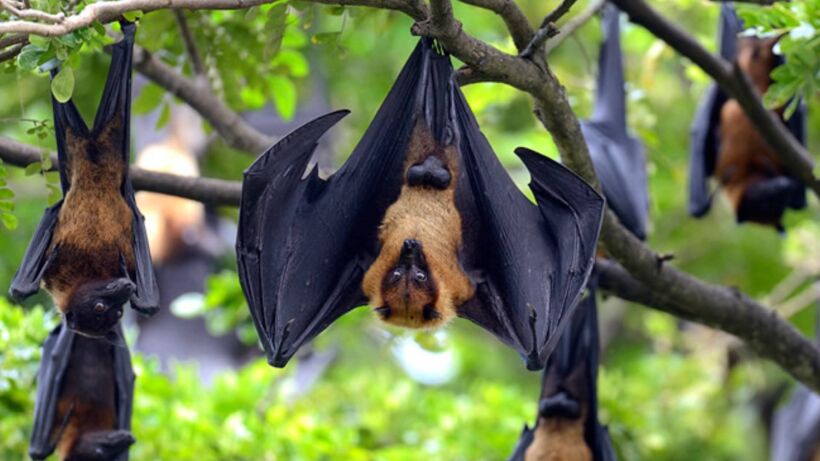
What truly sets Alas Kedaton apart from other wildlife attractions in Bali is its population of large flying foxes (Pteropus vampyrus). These magnificent fruit bats, with wingspans reaching up to 1.5 meters, roost in the tall trees of the forest and can be observed hanging upside down during the day. According to bat biologist Dr. Siti Nuramalia (2022), “Alas Kedaton provides one of the most accessible opportunities in Southeast Asia to observe these impressive flying foxes in a natural setting.”
Getting to Alas Kedaton
Reaching Alas Kedaton is relatively straightforward, though it’s less frequented by tourists than other Bali attractions, which adds to its charm. The sanctuary is located approximately 35 kilometers northwest of Denpasar and 20 kilometers from Tanah Lot Temple, making it an excellent addition to a day trip exploring western Bali.
Transportation options to Alas Kedaton include:
- Private car or taxi with driver: The most convenient option, especially if combined with visits to nearby attractions like Tanah Lot or Jatiluwih Rice Terraces
- Scooter rental: For more adventurous travelers, renting a scooter offers flexibility and a more authentic experience of Bali
- Organized tour: Many tour operators include Alas Kedaton in combination with other Tabanan attractions
- Public transport: While possible, public buses to the area are infrequent and not recommended for first-time visitors
The journey from popular tourist areas takes approximately:
- 1 hour from Seminyak/Kuta
- 45 minutes from Ubud
- 30 minutes from Tanah Lot
- 1.5 hours from Candidasa
The Unique Experience at Alas Kedaton
Unlike many other monkey forests in Bali, Alas Kedaton offers a distinctive ground-level viewing experience. The pathways through the sanctuary are designed to allow visitors to observe the monkeys at eye level rather than looking up into trees, creating more intimate wildlife encounters.
When you arrive at Alas Kedaton, you’ll notice several unique features that distinguish it from other Bali animal sanctuaries:
- The monkeys are generally more relaxed and less prone to snatching belongings from visitors
- The flying foxes roost in visible locations, making them easy to observe and photograph
- The sanctuary is less crowded, allowing for a more peaceful experience
- The forest is densely vegetated, creating a true jungle atmosphere
- The temple within the sanctuary adds cultural context to the wildlife experience
According to visitor surveys conducted by the Bali Tourism Board (2023), over 85% of international visitors rate their experience at Alas Kedaton as “excellent” or “very good,” with particular appreciation for the peaceful atmosphere and unique opportunity to see both monkeys and flying foxes in one location.
Practical Information for Visitors
To make the most of your visit to Alas Kedaton, it’s helpful to know some practical details before you go:
Opening Hours:
- Daily from 8:00 AM to 6:00 PM
- Best visiting times: Early morning (8:00-10:00 AM) or late afternoon (3:00-5:00 PM) when animals are most active
Entrance Fees:
- Adults: Approximately 20,000 IDR (about $1.50 USD)
- Children: Approximately 15,000 IDR (about $1 USD)
- Parking fee: 5,000 IDR for cars, 2,000 IDR for motorcycles
What to Bring:
- Comfortable walking shoes with good grip
- Light, breathable clothing (covering shoulders and knees out of respect for the temple)
- Camera with zoom lens for wildlife photography
- Water bottle (no plastic bottles allowed inside)
- Hat and sunscreen for sun protection
- Small amount of cash for entrance fees and souvenirs
What to Avoid:
- Bringing food inside the sanctuary (it attracts the monkeys)
- Wearing loose or dangling items that monkeys might grab
- Making direct eye contact with monkeys (they may perceive this as a challenge)
- Flash photography (it can disturb the animals)
- Touching or feeding the animals (for your safety and their wellbeing)
The Wildlife of Alas Kedaton
The primary wildlife attractions at Alas Kedaton are the long-tailed macaques and the large flying foxes, but the sanctuary is also home to various bird species, insects, and reptiles that contribute to its rich ecosystem.
The long-tailed macaques of Alas Kedaton live in several social troops, each with a dominant male, multiple females, and their offspring. These intelligent primates have complex social structures and communication systems that visitors can observe during their visit. Unlike monkeys in some other Bali forests, those at Alas Kedaton are generally well-behaved around visitors, thanks to the sanctuary’s management practices and the cultural respect the monkeys receive as temple guardians.
The large flying foxes are perhaps the most spectacular residents of Alas Kedaton. These giant fruit bats roost high in the trees during the day, becoming active at dusk when they leave the forest to forage for fruit. With wingspans that can reach 1.5 meters, they create an impressive sight as they fly overhead. During daylight hours, visitors can observe them hanging upside down in clusters, occasionally stretching their wings or moving to more comfortable positions.
Other wildlife you might encounter during your visit includes:
- Various bird species such as kingfishers, bulbuls, and sunbirds
- Monitor lizards basking in sunny spots
- Colorful butterflies flitting through the forest
- Numerous insect species that contribute to the forest’s biodiversity
According to a biodiversity survey conducted by Udayana University (2022), Alas Kedaton supports over 50 animal species within its relatively small area, making it an important conservation site in increasingly developed Bali.
The Cultural Significance of Alas Kedaton
Beyond its wildlife, Alas Kedaton holds significant cultural importance for the local Balinese community. The temple at the center of the forest, Pura Dalem Kahyangan Kedaton, is believed to have been built in the 15th century and is dedicated to the god Siwa in his form as Dalem, the ruler of the underworld.
The monkeys of Alas Kedaton are considered sacred guardians of the temple, and local people believe they protect the sacred grounds from evil spirits. This cultural belief has contributed to the protection of the forest and its wildlife for generations. According to temple priest I Wayan Sutawan (personal interview, 2023), “The monkeys are not just animals to us; they are spiritual beings who maintain the balance between the human world and the spirit world. We care for them, and they care for our temple.”
The temple itself features traditional Balinese architecture with intricate stone carvings depicting various Hindu deities and mythological scenes. While the innermost areas of the temple are reserved for worship, visitors can observe the outer temple grounds and witness the harmonious relationship between the spiritual site and its animal guardians.
Conservation Efforts at Alas Kedaton
Like many natural areas in Bali, Alas Kedaton faces challenges from development pressures and increasing tourism. The sanctuary is managed by the local community with support from the regional government, focusing on balancing conservation with sustainable tourism.
Key conservation initiatives at Alas Kedaton include:
- Habitat preservation through reforestation of degraded areas
- Wildlife monitoring programs to track the health of monkey and bat populations
- Visitor education about respectful wildlife observation
- Waste management systems to minimize environmental impact
- Community engagement programs that involve local residents in conservation efforts
According to Dr. Nyoman Suryadiputra, conservation biologist at Bali’s Environmental Agency (2021), “Alas Kedaton represents an important model of community-based conservation in Bali. By involving local people in both the management and economic benefits of the sanctuary, we create sustainable incentives for protecting both the cultural and natural heritage of the area.”
Combining Alas Kedaton with Nearby Attractions
Alas Kedaton’s location in Tabanan makes it an excellent addition to a day of exploring some of Bali’s most impressive cultural and natural attractions. Many visitors combine their trip to the monkey forest with visits to nearby sites:
- Tanah Lot Temple: Bali’s iconic sea temple, located approximately 20 minutes from Alas Kedaton
- Jatiluwih Rice Terraces: A UNESCO World Heritage site showcasing traditional Balinese rice farming, about 45 minutes away
- Batukaru Temple: A mountain temple surrounded by pristine rainforest, approximately 1 hour from Alas Kedaton
- Bali Botanic Garden: Indonesia’s largest botanic garden with extensive plant collections, about 1 hour away
- Ulun Danu Beratan Temple: A picturesque temple complex on the shores of Lake Beratan, approximately 1.5 hours away
Many tour operators offer packages that include Alas Kedaton along with these other attractions, providing convenient transportation and often including lunch at a local restaurant. If you prefer to explore independently, hiring a private driver for the day allows you to set your own pace and spend as much time as you like at each location.
Photography Tips for Alas Kedaton
Alas Kedaton offers excellent opportunities for wildlife photography, with its accessible monkeys and impressive flying foxes. To capture the best images during your visit, consider these tips:
For photographing monkeys:
- Use a fast shutter speed (at least 1/500s) to freeze their quick movements
- Focus on their expressive faces and eyes to create more engaging images
- Include elements of the forest environment to provide context
- Be patient and wait for natural behaviors rather than trying to provoke reactions
- Use natural light to your advantage, avoiding flash which can disturb the animals
For photographing flying foxes:
- Use a telephoto lens (200mm or longer) to capture details without disturbing the bats
- Increase your ISO setting to compensate for the lower light under the forest canopy
- Look for bats stretching their wings or moving for more dynamic shots
- Consider the contrast between the dark bats and the bright sky for striking silhouettes
- Be patient and quiet to avoid causing the bats to become agitated
Professional wildlife photographer Putu Wijaya (2023) advises, “The magic of Alas Kedaton is capturing the relationship between the wildlife and the temple environment. Look for moments when monkeys interact with temple structures or when flying foxes create striking silhouettes against the forest canopy. These images tell the unique story of this special place.”
Is Alas Kedaton Worth Visiting?
After considering all aspects of Alas Kedaton, we can confidently say that it offers a worthwhile experience for many types of travelers. While it may not be as well-known as some of Bali’s larger attractions, this sanctuary provides a more intimate and authentic wildlife experience that appeals to nature lovers and cultural enthusiasts alike.
For wildlife enthusiasts, the opportunity to observe both monkeys and flying foxes in a single location is exceptional. The relaxed behavior of the monkeys and the accessibility of the flying foxes create excellent conditions for wildlife observation and photography.
For cultural explorers, the integration of a working Hindu temple with the wildlife sanctuary provides insights into the unique relationship between Balinese Hinduism and the natural world. The opportunity to observe how cultural beliefs have contributed to conservation efforts adds depth to the visitor experience.
For families with children, Alas Kedaton offers an educational and entertaining experience that’s generally less overwhelming than more crowded attractions. The manageable size of the sanctuary and the visibility of the animals make it engaging for visitors of all ages.
For travelers seeking to escape the tourist crowds, Alas Kedaton provides a peaceful alternative to more popular monkey forests in Bali. The tranquil atmosphere and authentic cultural setting create a more relaxed and meaningful experience.
According to visitor satisfaction surveys conducted by the Tabanan Tourism Office (2023), over 90% of visitors report that Alas Kedaton met or exceeded their expectations, with particular appreciation for the unique combination of wildlife and cultural experiences.
Responsible Tourism at Alas Kedaton
As tourism to Bali continues to grow, practicing responsible tourism becomes increasingly important to protect the island’s natural and cultural heritage. When visiting Alas Kedaton, consider these guidelines to ensure your visit has a positive impact:
- Follow all posted rules regarding interaction with wildlife
- Refrain from feeding the monkeys, as human food can be harmful to their health
- Dispose of trash properly or take it with you when you leave
- Support local businesses in the area, including small warungs (food stalls) and craft shops
- Dress respectfully when visiting the temple areas
- Use water refill stations instead of bringing plastic bottles
- Be mindful of your noise level to avoid disturbing the animals and other visitors
By following these practices, you help ensure that Alas Kedaton remains a sustainable attraction that benefits both the local community and the wildlife it protects.
Are you ready?
Ready to experience the unique wildlife sanctuary of Alas Kedaton? Plan your visit today by checking opening hours, arranging transportation, and combining it with other nearby attractions for a full day of exploration in beautiful Tabanan. Whether you’re a wildlife enthusiast, cultural explorer, or simply seeking a peaceful escape from Bali’s more crowded areas, Alas Kedaton promises an unforgettable experience that showcases the harmonious relationship between Balinese culture and nature. Book your trip now and discover the magic of monkeys and flying foxes in this sacred forest sanctuary!
Summary
- Alas Kedaton is a sacred monkey forest sanctuary in Tabanan, Bali, home to hundreds of long-tailed macaques and large flying foxes.
- The 12-hectare forest contains a Hindu temple where monkeys are considered sacred guardians of the temple grounds.
- Unlike other Bali monkey forests, Alas Kedaton features ground-level viewing of both monkeys and flying foxes in their natural habitat.
- Entrance costs approximately 20,000 IDR for adults and 15,000 IDR for children, with additional parking fees.
- The best visiting times are early morning or late afternoon when animals are most active and temperatures are cooler.