Batu Caves: Spectacular Sacred Temple Adventure
Discover the spiritual wonder of Batu Caves, where ancient limestone formations house magnificent Hindu temples. Our complete guide reveals everything you need to know for an unforgettable visit to this Malaysian cultural treasure.
- Batu Caves
- The History and Significance of Batu Caves
- Getting to Batu Caves
- The Iconic Steps and Golden Statue
- Exploring the Batu Caves Complex
- Thaipusam Festival at Batu Caves
- Practical Information for Visitors
- The Natural Environment of Batu Caves
- Cultural Impact and Tourism Development
- Photography Tips for Batu Caves
- Is Batu Caves Worth Visiting?
- Are you ready?
- Summary
Batu Caves
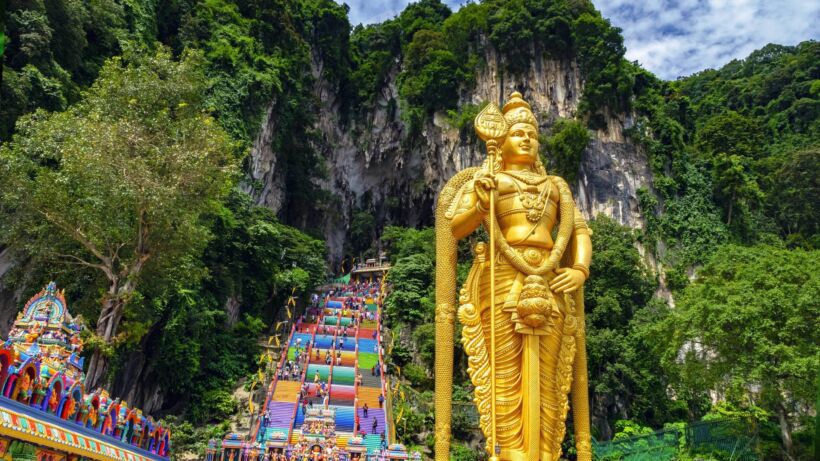
Batu Caves stands as one of Malaysia’s most iconic religious landmarks, drawing both pilgrims and tourists to its magnificent limestone formations and vibrant Hindu temples. Located just 13 kilometers north of Kuala Lumpur, this sacred site offers a unique blend of natural wonder, spiritual significance, and cultural heritage that has captivated visitors for decades. As you approach the site, the towering golden statue of Lord Murugan against the backdrop of limestone cliffs creates an unforgettable first impression that sets the stage for the extraordinary experience ahead.
The History and Significance of Batu Caves
The history of Batu Caves dates back over 400 million years when the limestone formation itself was created, but its significance as a religious site is more recent. According to Dr. S. Muthiah, Malaysian cultural historian (2019), “Batu Caves was promoted as a place of worship by K. Thamboosamy Pillai, an Indian trader who was inspired by the vel-shaped entrance of the main cave and dedicated it to Lord Murugan in 1891.”
The site gained prominence in the Tamil Hindu community and was established as an important place for worship, particularly following the consecration of a temple within the main cave in 1920. Over the years, Batu Caves evolved from a relatively obscure religious site to one of the most significant Hindu shrines outside of India, attracting millions of devotees and tourists annually.
The religious importance of Batu Caves is closely tied to Lord Murugan (also known as Kartikeya or Subramanian), the Hindu god of war and victory. According to Hindu mythology, Batu Caves is believed to be the place where Lord Murugan defeated the evil demon Surapadman. This victory is celebrated during the festival of Thaipusam, which has become the most significant event at Batu Caves.
Getting to Batu Caves
Reaching Batu Caves from Kuala Lumpur is straightforward and affordable, making it an easy day trip for visitors to the Malaysian capital. Here are the most common transportation options:
- KTM Komuter Train: The most convenient and popular option, with trains running directly from KL Sentral to Batu Caves station. The journey takes approximately 30 minutes and costs around RM 2-4 one way.
- Taxi or Ride-Hailing Services: Taxis and services like Grab are available throughout Kuala Lumpur, with the journey taking 30-60 minutes depending on traffic. Expect to pay RM 30-50 each way.
- Tour Buses: Many tour operators offer half-day or full-day tours that include Batu Caves along with other Kuala Lumpur attractions.
- Public Bus: Several bus routes connect Kuala Lumpur to Batu Caves, though this option is less convenient for tourists unfamiliar with the local bus system.
According to Tourism Malaysia (2022), over 80% of international visitors to Batu Caves use the KTM Komuter train, citing its affordability, convenience, and the fact that it drops visitors directly at the entrance to the site.
The Iconic Steps and Golden Statue
One of the most recognizable features of Batu Caves is the grand staircase leading to the main temple cave. The 272 steps were originally painted in plain concrete but were vibrantly colored in 2018, creating a striking visual against the limestone backdrop. Each step represents a different aspect of Hindu philosophy, and climbing them is considered an act of devotion.
At the base of the stairs stands the magnificent golden statue of Lord Murugan, standing at 42.7 meters tall and weighing approximately 250 tons. Unveiled in 2006 during the Thaipusam festival, it is the tallest statue of Lord Murugan in the world and has become an iconic symbol of Batu Caves and Malaysia’s Indian community.
When climbing the steps, keep these tips in mind:
- Start early in the morning to avoid crowds and the midday heat
- Wear comfortable shoes with good grip, as the steps can be slippery
- Bring water to stay hydrated during the climb
- Take your time and rest on the landings if needed
- Be mindful of monkeys, who may try to snatch food or loose items
- Dress modestly out of respect for the sacred site
Exploring the Batu Caves Complex
Batu Caves consists of several caves, each offering different experiences and attractions. The main caves include:
The Temple Cave (Cathedral Cave) is the largest and most significant cave, situated at the top of the 272 steps. This vast cavern reaches a height of 100 meters and houses several Hindu shrines dedicated to various deities. The cave’s natural skylight allows sunlight to filter in, creating a mystical atmosphere that enhances the spiritual experience. The main shrine here is dedicated to Lord Murugan, and you’ll also find shrines to other Hindu deities including Ganesh, Shiva, and Durga.
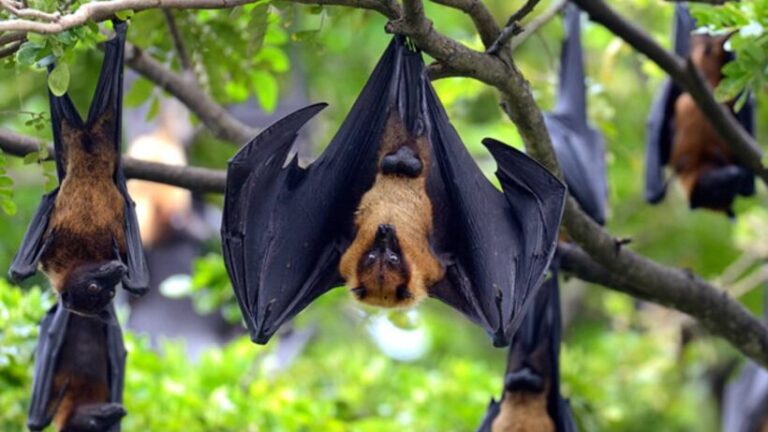
The Dark Cave, located halfway up the steps to the Temple Cave, is a different experience altogether. This cave is preserved in its natural state and houses a unique ecosystem with rare animal species including trapdoor spiders, centipedes, and bats. Educational tours are available for those interested in learning about the cave’s geology and biodiversity. According to Malaysian Nature Society (2021), “The Dark Cave at Batu Caves is one of the most scientifically important cave systems in Southeast Asia, with over 200 species of fauna, some of which are found nowhere else on Earth.”
The Ramayana Cave is situated at the base of the hill and features dioramas depicting scenes from the Hindu epic Ramayana. The 15-meter tall statue of Hanuman at its entrance greets visitors as they enter to explore the colorful displays that tell the story of Rama, Sita, and Hanuman.
The Villa Cave and Art Gallery Cave contain Hindu statues and paintings, providing visitors with insights into Hindu mythology and the cultural significance of Batu Caves. These caves offer a more museum-like experience with detailed explanations of the various deities and stories depicted.
Thaipusam Festival at Batu Caves
The most significant event at Batu Caves is the Thaipusam festival, which typically takes place in late January or early February. This Hindu festival commemorates the day Goddess Parvati gave a divine spear (vel) to her son Lord Murugan to defeat the demon Soorapadman.
During Thaipusam, Batu Caves transforms into a vibrant spectacle of devotion, with over a million devotees and tourists gathering to participate in or observe the celebrations. The festival is marked by elaborate processions from Kuala Lumpur to Batu Caves, with devotees carrying kavadis (ornate frameworks) as acts of penance and thanksgiving.
According to Dr. R. Nadarajan, expert in Hindu festivals (2023), “Thaipusam at Batu Cave represents one of the most dramatic displays of devotion in the Hindu world. The kavadi bearers, some with hooks and skewers attached to their bodies, demonstrate extraordinary faith and endurance as they complete the pilgrimage up the steps to the temple.”
For visitors planning to experience Thaipusam at Batu Cave, consider these tips:
- Arrive very early (before dawn) to secure a good viewing spot
- Be prepared for large crowds and maintain awareness of your belongings
- Dress modestly and respectfully
- Stay hydrated and protect yourself from the sun
- Follow instructions from authorities and respect religious protocols
- Consider booking accommodation nearby if you plan to stay for multiple days
Practical Information for Visitors
When planning your visit to Batu Caves, there are several practical considerations to keep in mind to ensure a smooth and enjoyable experience.
Opening Hours:
- The temple complex is open daily from 6:00 AM to 9:00 PM
- The Dark Cave has specific tour times, typically from 10:00 AM to 5:00 PM
- During Thaipusam festival, the site remains open for extended hours
Dress Code:
As a place of worship, Batu Caves has a dress code that visitors must respect:
- Shoulders and knees must be covered for both men and women
- Shawls or sarongs are available for rent at the entrance if needed
- Shoes must be removed before entering temple areas
- Avoid wearing leather items, as Hindus revere cows and bulls
Facilities and Amenities:
- Free admission to the main temple areas
- Small fee for Dark Cave educational tours
- Food stalls and shops selling religious items and souvenirs
- Basic restroom facilities available
- Limited parking on-site (public transport recommended)
- Weekday mornings (before 10:00 AM) for fewer crowds
- Avoid major Hindu festival days unless you specifically want to experience the celebrations
- The dry season (May to September) offers more comfortable climbing conditions
The Natural Environment of Batu Caves
Beyond its religious significance, Batu Caves is notable for its geological and ecological importance. The limestone formation that houses the temple complex is approximately 400 million years old and features impressive stalactites and stalagmites that have formed over millennia.
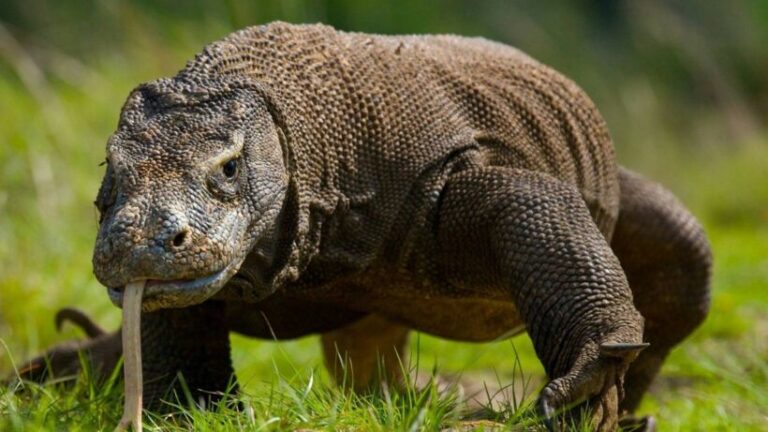
The caves are home to a diverse ecosystem that includes several species of bats, birds, reptiles, and invertebrates. The Dark Cave, in particular, has been recognized as a site of scientific importance due to its unique biodiversity.
Conservation efforts at Batu Caves aim to balance the religious and tourism aspects with environmental protection. According to the Malaysian Cave and Karst Conservancy (2022), “Batu Caves represents a challenging but important case study in balancing cultural heritage preservation with environmental conservation in the face of increasing tourism pressure.”
Cultural Impact and Tourism Development
Batu Caves has grown from a relatively obscure religious site to one of Malaysia’s most visited tourist attractions, welcoming over 10 million visitors annually according to Tourism Malaysia (2023). This growth has had significant cultural and economic impacts on the surrounding area.
The development of tourism infrastructure around Batu Caves has created employment opportunities and stimulated economic growth in the region. Hotels, restaurants, and souvenir shops have sprung up to cater to the influx of visitors, benefiting the local community.
However, this rapid development has also brought challenges, including concerns about commercialization, environmental degradation, and the preservation of the site’s sacred atmosphere. The authorities managing Batu Caves have implemented measures to address these issues, including restrictions on certain types of commercial activities within the temple complex and initiatives to improve waste management and environmental protection.
Photography Tips for Batu Caves
Batu Caves offers excellent opportunities for photography, with its vibrant colors, dramatic architecture, and cultural significance providing compelling subjects. To capture the best images during your visit, consider these tips:
- Visit early in the morning or late in the afternoon for the best lighting conditions
- Use a wide-angle lens to capture the scale of the caves and statue
- Be respectful when photographing people, especially during worship
- A polarizing filter can help manage the contrast between bright skies and darker cave entrances
- For interior cave shots, use a higher ISO setting or tripod to compensate for low light
- The colorful steps make for striking abstract compositions when photographed from different angles
Professional photographer Lim Wei Leong (2023) advises, “The challenge at Batu Caves is balancing the dramatic scale of the site with the intimate details that tell its story. Focus on capturing both the grand vistas and the small moments of devotion that make this place special.”
Is Batu Caves Worth Visiting?
After considering all aspects of Batu Caves, we can confidently say that it offers a worthwhile experience for a wide range of visitors. For those interested in religious and cultural sites, Batu Caves provides insights into Hinduism and the Indian-Malaysian community that are both educational and moving.
For nature enthusiasts, the limestone formations and cave ecosystems offer geological interest and opportunities to observe unique flora and fauna. The combination of natural and cultural elements creates a multifaceted experience that appeals to diverse interests.
For photographers, the site presents endless possibilities with its vibrant colors, dramatic architecture, and cultural activities. Whether you’re capturing the grand statue, the colorful steps, or the intimate moments of worship, Batu Caves offers visual inspiration at every turn.
According to visitor satisfaction surveys conducted by Tourism Malaysia (2023), Batu Caves consistently receives high ratings from international tourists, with over 85% reporting it as a highlight of their visit to Kuala Lumpur.
Are you ready?
Ready to experience the spiritual wonder and natural beauty of Batu Caves? Plan your visit today by checking train schedules from KL Sentral, preparing appropriate attire, and deciding which caves you’d like to explore. Whether you’re seeking spiritual enrichment, cultural understanding, or simply a unique adventure, Batu Caves promises an unforgettable experience that will stay with you long after you’ve descended its iconic steps.
Summary
- Batu Caves is a limestone hill containing Hindu temples and shrines, located 13km north of Kuala Lumpur, Malaysia.
- The site features a 42.7m tall golden statue of Lord Murugan, the world’s tallest statue of this Hindu deity.
- Visitors must climb 272 colorful steps to reach the main Temple Cave, the largest of several caves in the complex.
- Batu Caves serves as the focal point for the Hindu festival of Thaipusam, attracting over a million pilgrims annually.
- The complex includes Dark Cave, which houses a unique ecosystem with rare animal species and impressive rock formations.