Bali Elephant Sanctuary: Ultimate Ethical Wildlife Experience
Discover the magic of Bali Elephant Sanctuary, where ethical wildlife encounters create unforgettable memories. Our guide reveals everything you need to know about this remarkable conservation haven.
- Bali Elephant Sanctuary
- Discovering the Bali Elephant Sanctuary Experience
- The History and Mission of Mason Elephant Bali Park
- Planning Your Visit to Bali Elephant Sanctuary
- Ethical Considerations at Bali Elephant Sanctuary
- Accommodations at Mason Elephant Bali Park Lodge
- Beyond the Elephants: Other Attractions at the Park
- The Impact of Your Visit
- Practical Information for Visitors
- Making the Most of Your Bali Elephant Sanctuary Experience
- Extending Your Bali Adventure
- A Call to Responsible Tourism
- Are you ready?
- Summary
Bali Elephant Sanctuary
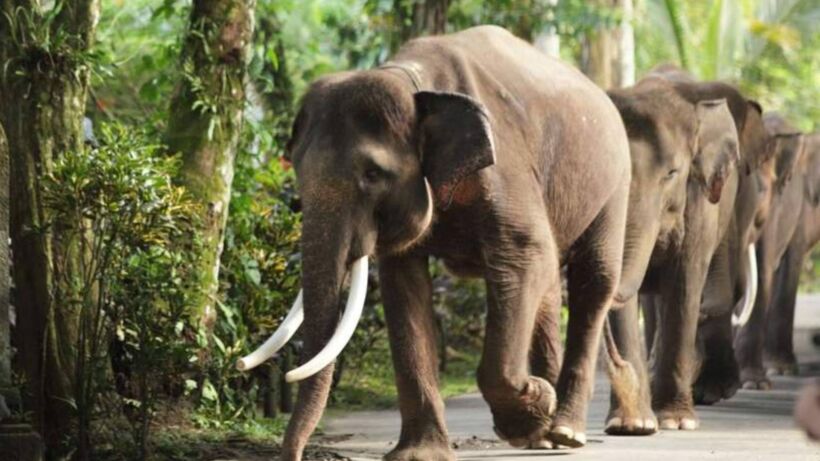
Bali Elephant Sanctuary is a haven for animal lovers and ethical travelers seeking meaningful wildlife encounters on the Island of the Gods. Nestled in the lush jungles of central Bali, this remarkable conservation facility offers visitors the rare opportunity to observe and interact with rescued Sumatran elephants in a natural, respectful environment. Unlike many tourist attractions that exploit animals for entertainment, this sanctuary prioritizes the well-being of its gentle giants while providing educational experiences that inspire conservation awareness.
Discovering the Bali Elephant Sanctuary Experience
The Mason Elephant Bali Park Lodge, commonly known as the Bali Elephant Sanctuary, spans across 3.5 hectares of eco-friendly parkland designed specifically to meet the needs of its resident elephants. According to Dr. Nigel Mason, founder of the park (2019), “Our mission has always been to provide a safe, natural environment for Sumatran elephants while educating visitors about the importance of conservation and ethical wildlife tourism.” The sanctuary is home to more than 30 rescued Sumatran elephants, a critically endangered species with fewer than 2,800 individuals remaining in the wild (World Wildlife Fund, 2022).
When visiting the Bali Elephant Sanctuary, guests can expect a variety of ethical interactions designed to enrich the lives of the elephants while providing unforgettable experiences for visitors. These include:
- Observing elephants in their natural habitat
- Participating in supervised feeding sessions
- Learning about elephant biology and conservation
- Watching educational demonstrations of natural elephant behaviors
- Enjoying optional elephant bathing experiences (with strict ethical guidelines)
Unlike many elephant attractions in Southeast Asia, this sanctuary prohibits riding and other activities that could cause stress or harm to the animals. Instead, the focus is on observation, education, and mutually respectful interactions that prioritize elephant welfare above all else.
The History and Mission of Mason Elephant Bali Park
The story of Bali Elephant Sanctuary began in the 1990s when conservationist Nigel Mason recognized the need for a safe haven for Sumatran elephants displaced by deforestation and human-wildlife conflict. What started as a small rescue operation has evolved into one of Bali’s most respected wildlife conservation centers, attracting visitors from around the world who share its commitment to ethical animal tourism.
According to a 2021 report by the Bali Tourism Board, Mason Elephant Park has contributed significantly to raising awareness about elephant conservation, with over 85% of visitors reporting increased knowledge and concern about elephant welfare after their visit. This educational impact is perhaps the sanctuary’s most valuable contribution to wildlife conservation efforts.
The sanctuary’s mission extends beyond its borders, as it actively supports broader conservation initiatives across Indonesia. A portion of all admission fees and lodge revenue goes directly to:
- Protecting elephant habitats in Sumatra
- Rescuing and rehabilitating displaced elephants
- Supporting anti-poaching patrols
- Funding research on elephant health and behavior
- Educating local communities about human-elephant coexistence
Planning Your Visit to Bali Elephant Sanctuary
When planning your trip to Bali Elephant Sanctuary, there are several important factors to consider to ensure the best possible experience while supporting ethical tourism practices. The sanctuary is located in the village of Taro, approximately 45 minutes north of Ubud and 90 minutes from Bali’s international airport.
To make the most of your visit, keep these tips in mind:
- Book in advance: The sanctuary limits daily visitors to ensure quality experiences and minimize stress on the elephants
- Choose the right package: Options range from basic park entry to full-day experiences with lodge accommodations
- Wear appropriate clothing: Comfortable, lightweight clothing and closed-toe shoes are recommended
- Bring essentials: Sunscreen, insect repellent, a hat, and a reusable water bottle
- Follow all guidelines: The sanctuary provides clear instructions for respectful interactions with elephants
- Allocate sufficient time: Most visitors spend 3-4 hours at the park, though full-day packages are available
The best time to visit Bali Elephant Sanctuary is during the dry season (April to October), when rainfall is minimal and temperatures are slightly cooler. Morning visits (9:00 AM – 12:00 PM) tend to be less crowded and offer more active elephant behavior, as the animals are typically more energetic before the heat of the day.
Ethical Considerations at Bali Elephant Sanctuary
As awareness of animal welfare issues grows, more travelers are seeking ethical wildlife experiences that don’t exploit animals for entertainment. Bali Elephant Sanctuary has established itself as a leader in this movement, implementing strict policies to ensure the well-being of its resident elephants.
According to Dr. Jane Goodall, renowned primatologist and conservation advocate (2020), “Facilities like Mason Elephant Park in Bali demonstrate that tourism and conservation can coexist when animal welfare is prioritized. They set an important standard for wildlife attractions worldwide.”
Key ethical practices at the sanctuary include:
- No riding: Elephants are never ridden, as this can cause long-term spinal damage
- Free contact: Elephants are not restrained or chained for extended periods
- Natural behaviors: The sanctuary encourages and showcases natural elephant behaviors
- Positive reinforcement: All training uses positive reinforcement methods
- Health monitoring: Regular veterinary care ensures optimal health for all elephants
- Social groups: Elephants are maintained in appropriate social groups to meet their complex social needs
These practices align with global standards for ethical elephant tourism, as established by organizations like World Animal Protection and the Asian Captive Elephant Working Group. By choosing to visit Bali Elephant Sanctuary, travelers can be confident that their tourism dollars support genuinely ethical wildlife experiences.
Accommodations at Mason Elephant Bali Park Lodge
For those seeking a more immersive experience, the Mason Elephant Bali Park Lodge offers luxury accommodations just steps away from the elephant habitat. The lodge features 25 individually designed rooms and suites, each blending traditional Balinese architecture with modern amenities.
Staying at the lodge provides unique opportunities to connect with the sanctuary’s residents, including:
- Private elephant viewing from your balcony
- Early morning access to the park before it opens to the public
- Exclusive educational sessions with elephant caretakers
- Gourmet dining experiences overlooking the elephant habitat
- Personalized encounters tailored to your interests
The lodge has received numerous accolades for its commitment to sustainability and conservation, including the 2021 Bali Sustainable Tourism Award for its eco-friendly practices and community engagement initiatives.
Rates at the lodge vary seasonally but typically range from $250-600 per night, depending on the room category and season. While this represents a significant investment, guests consistently report that the unique experiences and the knowledge that their stay directly supports elephant conservation make it worthwhile.
Beyond the Elephants: Other Attractions at the Park
While the elephants are undoubtedly the main attraction, Bali Elephant Sanctuary offers several other experiences that enhance the overall visit. These complementary attractions provide additional context about Balinese culture and the island’s natural heritage.
The on-site Elephant Museum features fascinating exhibits about elephant biology, conservation, and the cultural significance of elephants across Asia. Interactive displays and educational videos provide deeper insights into the challenges facing wild elephant populations and the efforts being made to protect them.
For families with children, the park offers a dedicated education center where young visitors can learn about wildlife conservation through age-appropriate activities and games. This focus on education helps inspire the next generation of conservationists.
The sanctuary also maintains beautiful botanical gardens featuring native Balinese plants and trees. These gardens not only enhance the visitor experience but also provide natural food sources for the elephants and contribute to the park’s ecosystem.
Cultural performances are held regularly, showcasing traditional Balinese dance and music. These performances provide employment for local artists and help preserve Bali’s rich cultural heritage while offering visitors a well-rounded experience.
The Impact of Your Visit
When you visit Bali Elephant Sanctuary, you’re not just enjoying a unique wildlife experience—you’re directly contributing to vital conservation efforts. The sanctuary operates on a sustainable model where tourism revenue funds its rescue, rehabilitation, and conservation work.
According to a 2022 impact assessment by the International Union for Conservation of Nature (IUCN), facilities like Bali Elephant Sanctuary play a crucial role in changing public perceptions about wildlife tourism. The report notes that “visitors to ethical wildlife facilities are significantly more likely to support conservation initiatives and make informed choices about animal experiences in the future.”
Your visit supports:
- The daily care of more than 30 rescued elephants
- Conservation programs across Indonesia
- Local employment opportunities (the sanctuary employs over 100 local staff)
- Educational outreach programs in schools and communities
- Research into elephant health, behavior, and conservation
By choosing to visit an ethical facility like Bali Elephant Sanctuary, you’re sending a clear message to the tourism industry that animal welfare and conservation matter. This consumer pressure helps drive positive change across the industry, encouraging more facilities to adopt ethical practices.
Practical Information for Visitors
To ensure a smooth and enjoyable visit to Bali Elephant Sanctuary, here’s some practical information to help with your planning:
The sanctuary is open daily from 8:00 AM to 6:00 PM, with the last admission at 4:00 PM. Admission fees vary depending on the package selected:
- Basic Park Entry: $75 per adult, $55 per child (includes guided tour, elephant feeding, and educational show)
- Full Experience Package: $125 per adult, $95 per child (adds elephant bathing and lunch)
- Lodge Guest Packages: Include all park experiences, starting from $250 per person per night
The sanctuary is wheelchair accessible, with paved pathways and designated viewing areas. However, some experiences, such as elephant bathing, may not be suitable for visitors with mobility limitations.
Photography is encouraged throughout the park, but flash photography is prohibited near the elephants. Professional photography sessions can be arranged in advance for an additional fee.
For those concerned about environmental impact, the sanctuary has implemented numerous sustainability initiatives, including solar power, water recycling, and waste reduction programs. Visitors are encouraged to support these efforts by minimizing plastic use and respecting the natural environment.
Making the Most of Your Bali Elephant Sanctuary Experience
To ensure your visit to Bali Elephant Sanctuary is as meaningful and enjoyable as possible, consider these insider tips:
- Arrive early: The park is least crowded in the morning, and elephants are typically more active
- Engage with the staff: The caretakers have fascinating insights into elephant behavior and individual personalities
- Ask questions: Don’t hesitate to ask about conservation efforts or specific elephants’ stories
- Respect the guidelines: Following all instructions ensures both your safety and the elephants’ comfort
- Take your time: Allow yourself to fully absorb the experience rather than rushing through
- Consider a longer stay: If your schedule allows, an overnight stay at the lodge offers a much deeper connection to the elephants and their world
Remember that while the experience is designed to be enjoyable for visitors, the elephants’ welfare always comes first. Some activities may be modified or canceled if the caretakers determine that the elephants need rest or are showing signs of stress. This commitment to animal welfare is what sets Bali Elephant Sanctuary apart from less ethical attractions.
Extending Your Bali Adventure
While Bali Elephant Sanctuary is certainly a highlight of any trip to Bali, the island offers numerous other attractions and experiences that complement your wildlife adventure. The sanctuary’s location in central Bali makes it an excellent base for exploring the island’s cultural heartland.
Nearby attractions worth considering include:
- Ubud: Bali’s cultural capital, known for its arts scene, traditional crafts, and beautiful rice terraces
- Tegallalang Rice Terraces: Stunning ancient rice paddies with traditional irrigation systems
- Tirta Empul: A holy water temple where Balinese Hindus participate in purification rituals
- Mount Batur: An active volcano offering sunrise hiking experiences
- Bali Bird Park and Bali Zoo: For those interested in seeing more of Indonesia’s incredible wildlife
Many visitors choose to spend 2-3 days in the central Bali region, combining their visit to Bali Elephant Sanctuary with cultural experiences and natural attractions. This allows for a more relaxed pace and a deeper appreciation of Bali’s diverse offerings.
A Call to Responsible Tourism
As travelers, we have the power to shape the tourism industry through our choices and actions. By supporting ethical wildlife experiences like Bali Elephant Sanctuary, we send a clear message that animal welfare and conservation matter. This consumer pressure helps drive positive change across the industry, encouraging more facilities to adopt ethical practices.
The future of wildlife tourism depends on informed travelers who prioritize animal welfare over entertainment value. When planning your travels, always research wildlife attractions carefully, look for reviews from reputable sources, and don’t hesitate to ask questions about animal welfare practices.
Remember that ethical wildlife experiences may not always offer the same level of hands-on interaction as less ethical alternatives, but they provide something far more valuable: the knowledge that your tourism dollars are supporting conservation and animal welfare rather than exploitation.
Are you ready?
Ready to experience the magic of ethical elephant encounters in Bali? Book your visit to Bali Elephant Sanctuary today and discover how tourism can be a force for good in wildlife conservation. Your visit will create memories that last a lifetime while contributing to a brighter future for Sumatran elephants. The elephants are waiting to welcome you to their sanctuary!
Summary
- Mason Elephant Sanctuary Bali provides a natural habitat for rescued Sumatran elephants.
- The park focuses on conservation, education, and ethical elephant interactions.
- Visitors can observe, feed, and bathe elephants in a controlled, respectful environment.
- The on-site lodge offers luxury accommodations with elephant-viewing opportunities.
- All proceeds support elephant conservation efforts across Indonesia.