Urgent Cuba Travel Warning as Canada Issues Stark Alert as Power Outages, Fuel Shortages, and Safety Risks Escalate — Here’s What Every Tourist Needs to Know Before You Go!

With sun‑soaked beaches and vibrant culture drawing millions of visitors each year, Cuba now stands at the centre of a fresh travel alert after the Canadian government updated its official travel advisory, warning that conditions on the island are deteriorating and could significantly affect tourists.
The Government of Canada has shifted its advisory to “exercise a high degree of caution” for travellers to Cuba, citing escalating shortages of essential services such as electricity, fuel and basic supplies that are impacting both locals and tourists alike. This marks a notable change in travel guidance, raising red flags for Canadians planning holidays to the Caribbean destination.
According to Canada’s foreign travel information site — travel.gc.ca — the advisory reflects growing concerns about unpredictable disruptions and potential risks that could pose challenges for visitors on the ground. While tourism has historically been one of Cuba’s main economic lifelines, recent developments in the country’s infrastructure and supply systems are creating conditions that demand careful review by prospective travellers.
What Prompted Canada’s Updated Advisory?
Canada’s official travel advisory states that Cuba is experiencing worsening shortages of electricity, fuel, foods and medical supplies, with the situation described as unpredictable and capable of affecting tourism operations. The Government of Canada underscored that these shortages are not confined to remote areas but are also increasingly affecting major resort regions where international visitors stay.
Unscheduled power outages have become frequent across the country. While Cuban authorities manage blackouts through scheduled rotations to balance limited energy resources, sudden and longer blackouts have been reported. These outages can have cascading effects on everyday operations in hotels and public spaces, affecting air conditioning, water supply, kitchen services and electronic payment systems.
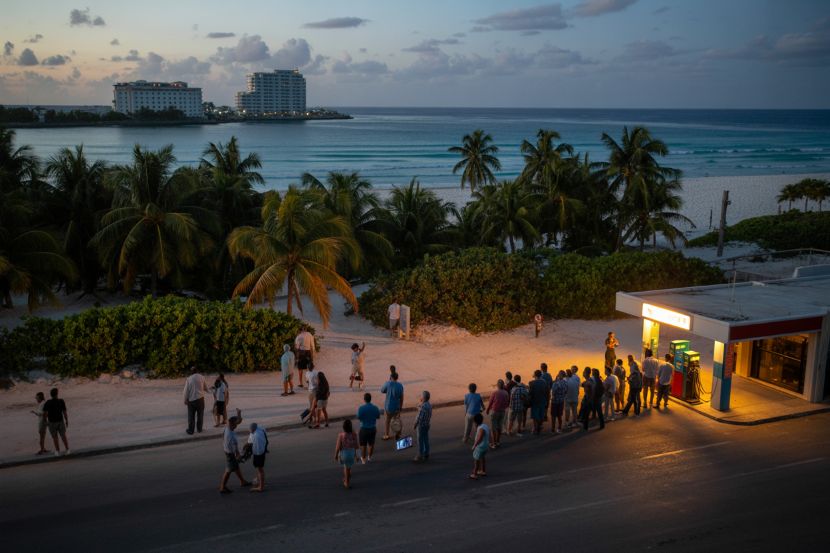
Fuel scarcity, another major concern, has disrupted both local transportation and tourist‑oriented services. Canada’s advisory notes that some travellers have experienced difficulties accessing taxis and rental vehicles due to long lines at fuel stations and sudden shortages. As supply challenges intensify, even basic mobility within and between destinations like Havana, Varadero and Santiago de Cuba can become unpredictable.
Everyday Tourism Challenges
With energy and fuel pressures mounting, travel infrastructure in Cuba is feeling the strain. Public transport — already limited in many areas — may operate erratically or stall without warning. Electricity cuts can interrupt air conditioning in hotels and resorts, leaving guests uncomfortable during hot daytime temperatures.
The Canadian government’s advisory specifically mentions that fuel shortages may reduce the ability of hotels and public services to rely on backup generators — a measure that, until now, cushioned visitors from the worst effects of blackouts. Without generator power, vital guest services like lifts, refrigeration and lighting can suffer.
On top of utility and transport disruptions, travellers may encounter erratic availability of familiar goods such as bottled water, medications, groceries and toiletries. While many resorts maintain supply chains independent from local markets, these connections are not immune to broader national shortages.
Health and Safety Context
Although Canada’s advisory is focused on practical travel conditions, health and safety concerns surrounding Cuba remain part of the wider context that travellers should consider. Caribbean destinations, including Cuba, have seen cases of mosquito‑borne illnesses like dengue and chikungunya. Advisors from various health organisations recommend precautions against insect bites and staying informed about local health updates.
In terms of personal safety, some Canadians have reported incidents of theft, petty crime and other safety issues — often in crowded or isolated spots. While many tourists visit Cuba without encountering trouble, authorities emphasise caution and vigilance, and advise visitors to secure valuables and avoid travelling alone in unfamiliar areas after dark.
Government Recommendations for Travellers
Canada’s official advisory suggests a series of preparatory and on‑trip actions for those still planning to journey to Cuba:
- Register with Registration of Canadians Abroad (RCA): This ensures that the government can contact travellers or assist in emergencies.
- Ensure valid travel documentation and visas: Double‑check passport validity, Cuban entry requirements, and insurance coverage.
- Obtain comprehensive travel insurance: Policies should cover trip interruption, medical emergencies, evacuation if needed, and cancellations.
- Carry essentials: Travellers are advised to bring critical supplies like prescription medicines, bottled water, toiletries and backup chargers.
- Stay informed: Monitor local and international news, follow guidance from Cuban authorities and stay in touch with tour operators or accommodation hosts.
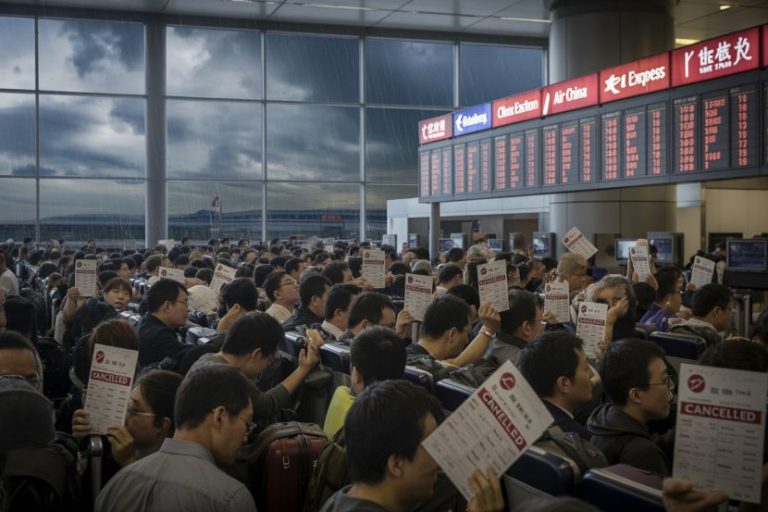
Canada also stresses the importance of maintaining flexible travel plans. Flights can be delayed or cancelled without much notice when infrastructure pressures intensify. Visitors should prepare for this possibility by allowing additional time in schedules and keeping emergency contact information easily accessible.
Official Support and Embassy Resources
Canadians in Cuba can contact the Embassy of Canada in Havana for consular services and assistance. In times of crisis, Ottawa’s Emergency Watch and Response Centre remains a point of contact for families and travellers seeking support. Registering travel plans ahead of departure ensures that Canadian officials have a means to provide updates and guidance if conditions change rapidly.
Broader Economic Pressures Underpinning the Situation
Government guidance does not extensively comment on political causes or economic policy, but global analysts point to persistent economic constraints within Cuba that have been exacerbated by reduced export earnings, international sanctions and limited foreign exchange. These pressures are affecting the import of fuel, food and spare parts for infrastructure, creating ripple‑effects that now intersect with tourism — one of Cuba’s most important economic pillars.
What Tour Operators Are Saying
Travel industry professionals have reacted to the advisory with a mixture of concern and pragmatic advice. Some agents recommend that travellers reconsider or postpone trips to Cuba until conditions stabilise, while others stress that with careful planning and realistic expectations, travel can still be possible.
Common advice from tour operators includes booking with suppliers that offer flexible cancellation policies, ensuring travel insurance is robust, and preparing contingency plans in case itineraries need adjustment.
What This Means for Future Travel
Canada’s updated travel advisory for Cuba serves as a stark reminder that even popular tropical destinations are vulnerable to the broader economic and infrastructural realities of the countries that host them. As conditions evolve, travellers may find that the Cuba they imagined — uninterrupted sun, seamless service, and carefree beach days — requires a higher degree of preparation and adaptability than before.
For now, the Canadian government’s message is clear: visitors should approach travel to Cuba with caution, stay well‑informed, and be ready for disruptions that go beyond typical vacation hiccups.
For Canadians dreaming of sandy beaches and Cuban rhythms, the new advisory is a moment for thoughtful reflection rather than alarm. Every journey is an opportunity, but in the current climate, choosing when and how to travel — with safety, preparation and awareness at the forefront — matters more than ever. By staying informed and planning with care, visitors can still enjoy Cuba’s rich culture and natural beauty while navigating the challenges highlighted by Canada’s updated travel guidance.
The post Urgent Cuba Travel Warning as Canada Issues Stark Alert as Power Outages, Fuel Shortages, and Safety Risks Escalate — Here’s What Every Tourist Needs to Know Before You Go! appeared first on Travel And Tour World.
[ad_2]
Read the full article on Source link