Tangkoko National Park: Incredible Wildlife Adventure
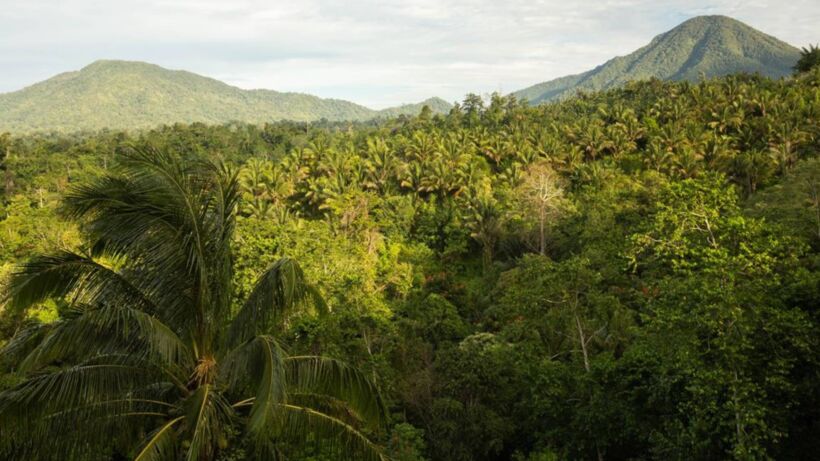
Discover the wonders of Tangkoko National Park, home to some of Indonesia’s most unique wildlife species. This hidden gem in North Sulawesi offers unforgettable nature experiences for adventurous travelers.
- Tangkoko National Park
- Wildlife Wonders of Tangkoko
- Planning Your Visit to Tangkoko National Park
- Getting to Tangkoko National Park
- What to Expect During Your Tangkoko National Park Tour
- Photography in Tangkoko National Park
- Essential Packing List for Tangkoko
- Conservation Challenges and Efforts
- Beyond Tangkoko: Nearby Attractions
- Cultural Experiences
- Practical Information for Visitors
- Are you ready?
- Summary
Tangkoko National Park
Tangkoko National Park offers a unique wildlife experience in North Sulawesi, Indonesia. This pristine nature reserve is home to some of the country’s most fascinating and rare species, making it a must-visit destination for nature enthusiasts and wildlife photographers.
Located on the tip of Sulawesi’s northern peninsula, Tangkoko National Park encompasses 8,700 hectares of protected forest and coastline. The park’s diverse ecosystems range from tropical rainforest to mangrove swamps and coral reefs, supporting an incredible array of flora and fauna. According to the Indonesian Ministry of Environment and Forestry (2020), Tangkoko hosts at least 127 mammal species, 233 bird species, and 104 reptile and amphibian species.
The star attraction of Tangkoko National Park is undoubtedly the spectral tarsier, one of the world’s smallest primates. These tiny creatures, measuring just 10-15 centimeters in body length with enormous eyes, are endemic to Sulawesi and nearby islands. Seeing a tarsier in its natural habitat is a truly magical experience that draws visitors from around the globe.
Wildlife Wonders of Tangkoko
Beyond the famous tarsiers, Tangkoko National Park boasts an impressive variety of wildlife that makes every visit an adventure:
- Celebes crested macaques: These black monkeys with distinctive crests are endemic to Sulawesi and live in large troops
- Bear cuscus: A tree-dwelling marsupial with a prehensile tail and thick, bear-like fur
- Hornbills: Several species including the impressive Sulawesi hornbill with its large casque
- Maleo birds: Unique birds that bury their eggs in warm sand or soil to incubate
- Sulawesi scops owl: A small owl species found only in Sulawesi
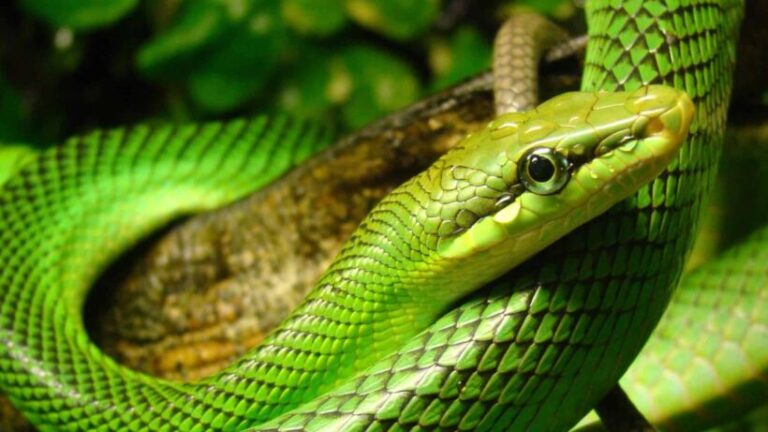
- Various reptiles including skinks, snakes, and the Sulawesi forest turtle
Dr. John Tasirin, a wildlife biologist who has studied in Tangkoko for over 15 years, notes that “The park represents one of the last strongholds for many of Sulawesi’s endemic species, making it not just a tourist destination but a critical conservation area” (Tasirin, 2021).
Planning Your Visit to Tangkoko National Park
To make the most of your visit to Tangkoko National Park, careful planning is essential. Here are the key factors to consider:
- Best time to visit: The dry season from April to October offers the most favorable conditions for wildlife viewing
- Time of day: Early morning (6:00-8:00 AM) and late afternoon (3:00-5:00 PM) are prime times for wildlife activity
- Duration: Most visits last half a day, though full-day tours are available for more comprehensive exploration
- Physical requirements: Moderate fitness is needed as trails can be steep and muddy
- Health considerations: The area is malaria-free, but insect repellent is recommended
Getting to Tangkoko National Park
Reaching Tangkoko National Park requires some planning but is relatively straightforward for determined travelers:
- Fly to Sam Ratulangi International Airport in Manado, the capital of North Sulawesi
- From Manado, take a taxi or arranged transport to Batuputih village (approximately 1-1.5 hours)
- Register at the park entrance office and pay the entrance fee (currently around 150,000 IDR for foreigners)
- Hire a mandatory local guide (costs approximately 100,000-150,000 IDR per group)
- Begin your guided trek into the park
Most visitors arrange their Tangkoko National Park tour through a local tour operator or their hotel in Manado or nearby Bitung. These tours typically include transportation, guide fees, and sometimes meals.
What to Expect During Your Tangkoko National Park Tour
A typical visit to Tangkoko National Park begins with an early morning or late afternoon departure from your accommodation. Upon arrival at the park entrance, you’ll meet your local guide who will lead you through the forest trails.
The trek involves walking through dense tropical rainforest, sometimes on uneven and muddy terrain. Your guide will be expert at spotting wildlife and will point out animals, birds, and plants that you might otherwise miss. The highlight for most visitors is seeing the tarsiers, which your guide will help locate in their tree holes or sleeping sites.
According to a survey by the North Sulawesi Tourism Board (2022), over 90% of visitors to Tangkoko report seeing tarsiers during their visit, with many also spotting macaques and various bird species.
Photography in Tangkoko National Park
For photographers, Tangkoko National Park offers incredible opportunities, though it comes with challenges:
- Low light conditions in the forest require fast lenses or high ISO settings
- Flash photography is prohibited when photographing tarsiers as it can damage their sensitive eyes
- A telephoto lens (200mm or longer) is ideal for capturing wildlife without disturbance
- Tripods are difficult to use on narrow forest trails but monopods can be helpful
- Weather protection for equipment is essential due to sudden rain showers
Essential Packing List for Tangkoko
To ensure a comfortable and successful visit to Tangkoko National Park, consider bringing these items:
- Lightweight, breathable clothing in neutral colors
- Sturdy, waterproof hiking shoes or boots
- Rain jacket or poncho
- Insect repellent
- Sun protection (hat, sunscreen)
- Reusable water bottle
- Camera with appropriate lenses
- Binoculars for wildlife viewing
- Small backpack for personal items
- Cash for entrance fees, guide fees, and tips
Conservation Challenges and Efforts
Like many protected areas in Indonesia, Tangkoko National Park faces significant conservation challenges. Habitat encroachment, poaching, and climate change threaten the park’s unique biodiversity. However, dedicated efforts are underway to protect this precious ecosystem.
The Tangkoko Conservation Program, a collaboration between local communities, government agencies, and international NGOs, works to protect the park through:
- Community education and engagement
- Sustainable tourism development
- Habitat restoration projects
- Wildlife monitoring and research
- Alternative livelihood programs for local residents
Visitors can support conservation efforts by following park rules, respecting wildlife, and choosing responsible tour operators who contribute to local conservation initiatives.
Beyond Tangkoko: Nearby Attractions
While Tangkoko National Park is the main draw, the surrounding area offers additional attractions that complement a visit:
- Lembeh Strait: World-renowned for muck diving with incredible marine biodiversity
- Mount Klabat: The highest mountain in North Sulawesi, offering challenging hikes
- Waruga: Ancient stone sarcophagi of the Minahasan people
- Bunaken National Marine Park: Spectacular diving and snorkeling with coral reefs and marine life
- Lake Linow: A colorful, acidic lake with changing colors
Cultural Experiences
The region around Tangkoko National Park is home to the Minahasan people, known for their unique culture and cuisine. Visitors can experience local traditions by:
- Visiting traditional markets in Manado or Bitung
- Trying local specialties like tinutuan (vegetable porridge) and rica-rica (spicy dishes)
- Attending cultural performances featuring traditional music and dance
- Exploring historical sites related to Dutch colonial history
These cultural experiences add depth to a visit and provide insight into the human context of the region.
Practical Information for Visitors
Before visiting Tangkoko National Park, keep these practical considerations in mind:
- Park entrance fees: Approximately 150,000 IDR for foreign visitors
- Guide fees: 100,000-150,000 IDR per group (mandatory)
- Accommodation options range from basic homestays to mid-range hotels in Batuputih or Bitung
- ATMs are available in Bitung but limited in the immediate park area
- Internet connectivity is poor to non-existent in the park
- Travel insurance that covers medical evacuation is recommended
Tangkoko National Park offers a truly unique wildlife experience that showcases the incredible biodiversity of Sulawesi. Whether you’re a dedicated wildlife enthusiast, a casual nature lover, or simply looking for something different from the typical tourist trail, a visit to Tangkoko provides unforgettable encounters with some of Indonesia’s most remarkable creatures.
Are you ready?
Ready to experience the wonders of Tangkoko National Park for yourself? Start planning your wildlife adventure today and prepare for an extraordinary journey into one of Indonesia’s most precious natural treasures.
Summary
- Tangkoko National Park is a nature reserve in North Sulawesi, Indonesia, known for its biodiversity and endemic species.
- The park is famous for the tarsier, one of the world’s smallest primates, along with macaques, hornbills, and cuscus.
- Best visited early morning or late afternoon, Tangkoko offers guided tours through its tropical rainforest habitat.
- Located about an hour’s drive from Manado, the park requires an entrance fee and local guide for all visitors.
- Conservation efforts in Tangkoko focus on protecting its unique ecosystem and endangered species from habitat loss.