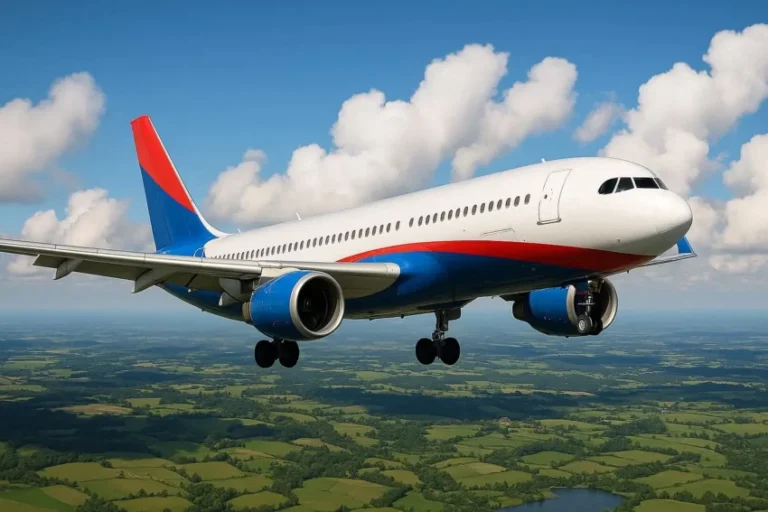
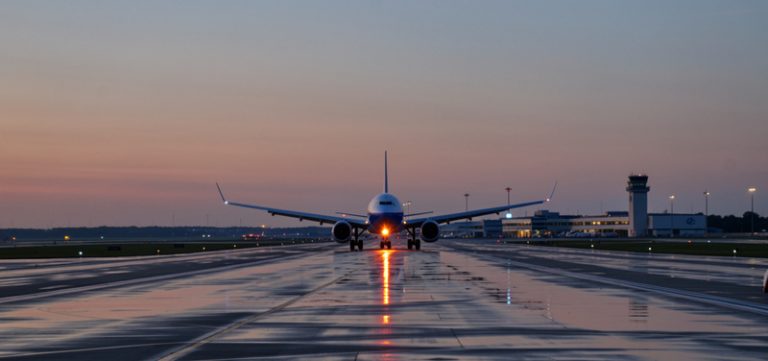
Singapore Airlines Cancels New York Flights as Winter Storm Fern Disrupts United States–Singapore Air Travel
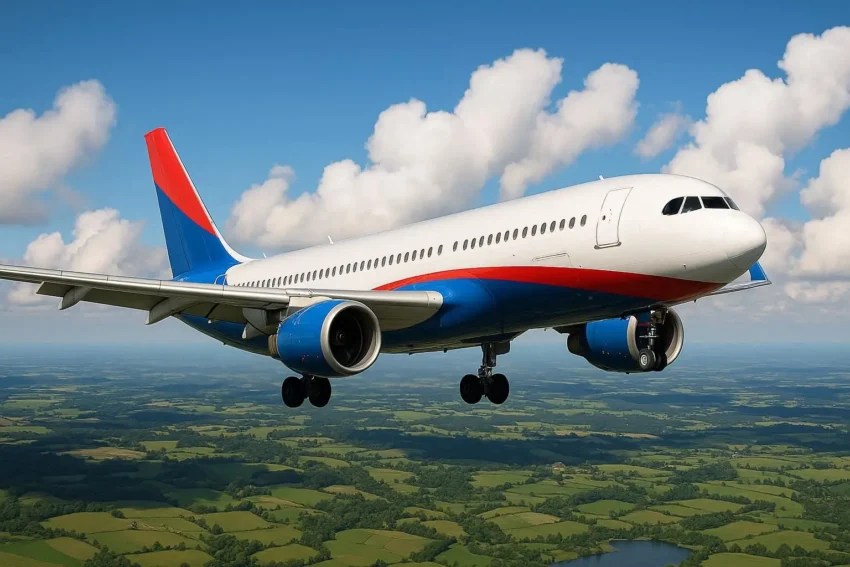

Severe winter weather across the United States has once again demonstrated how vulnerable long-haul aviation remains to extreme climatic events, even in an era of advanced forecasting and operational resilience. As Winter Storm Fern spreads across large portions of North America, major international carriers have been compelled to take precautionary measures to ensure passenger and crew safety. Among the airlines affected, Singapore Airlines has been forced to cancel several high-profile services linking Singapore with New York, underscoring the far-reaching consequences of severe weather on global aviation networks. These cancellations have not only disrupted direct transpacific travel between Asia and the United States but have also triggered ripple effects across connecting routes in Europe and beyond. With snow, extreme cold, and operational slowdowns affecting major hubs such as John F. Kennedy International Airport and Newark Liberty International Airport, flight schedules have been repeatedly adjusted to manage risk. In this environment, Singapore Airlines New York flights have been particularly exposed due to their ultra-long-haul nature and reliance on tightly coordinated airport operations. As airlines across the United States respond to the evolving situation, passengers have been advised to remain flexible and informed while safety continues to be prioritized over punctuality.
Winter Storm Fern Forces Major Flight Cancellations
Widespread disruption has been caused by Winter Storm Fern as it moves across the continental United States, bringing heavy snowfall, dangerously low temperatures, and strong winds. Large sections of the country, stretching from New Mexico through the Midwest and onward to the eastern seaboard, have been placed under weather advisories. In response, thousands of flights have been cancelled or delayed, with airport operations significantly slowed by snow clearance requirements and de-icing procedures.
New York has emerged as one of the hardest-hit regions. Both John F. Kennedy International Airport and Newark Liberty International Airport have experienced severe congestion and operational constraints, leading to cascading delays across domestic and international schedules. Under these conditions, the cancellation of multiple long-haul services has been viewed as unavoidable.
Singapore Airlines New York Services Affected
Several Singapore Airlines flights scheduled for January 25 and January 26 have been cancelled as a direct result of the storm. These include SQ22 operating between Singapore Changi Airport and Newark Liberty International Airport, as well as SQ24 serving the Singapore to John F. Kennedy International Airport route. These ultra-long-haul flights, among the longest commercial services in the world, require stable airport conditions and carefully managed crew duty limits, both of which have been compromised by the storm.
The airline has indicated that the situation remains fluid, with further cancellations or delays possible should weather conditions fail to improve. Passengers booked on affected flights have been offered rebooking options on alternate services or full refunds for the unused portions of their tickets, in line with standard disruption policies.
Broader Impact on United States Air Travel
Across the United States, air travel has been thrown into disarray, with more than three thousand flights cancelled over the affected weekend alone. An estimated one hundred and sixty million people are expected to experience some level of travel disruption as airports struggle to maintain normal operations. Snow accumulation on runways, limited gate availability, and staff shortages caused by hazardous travel conditions have combined to reduce airport capacity nationwide.
Air traffic control restrictions and rerouted flight paths have further compounded the problem. Airlines have been required to coordinate closely with federal authorities to manage congestion and maintain safe separation between aircraft. As a result, even flights not directly affected by snowstorms have faced knock-on delays due to displaced aircraft and crews.
Operational Challenges for Long-Haul Airlines
For long-haul carriers such as Singapore Airlines, winter storms in the United States present unique operational challenges. Ultra-long-haul flights operate on narrow scheduling margins, with aircraft rotations planned months in advance. When a single flight is cancelled, the impact can be felt across multiple days and routes.
Crew rest requirements represent another critical constraint. Extended ground delays caused by weather can push flight crews beyond legally permitted duty hours, forcing cancellations even when aircraft are available. In addition, extreme cold can affect aircraft systems, ground equipment, and fueling operations, all of which must be carefully monitored to maintain safety standards.
Passenger Guidance and Airline Communication
Passengers affected by the cancellations have been advised to monitor updates through the Singapore Airlines website and official communication channels. The airline has been reaching out directly to customers to provide rebooking assistance and updated travel information. Travelers have also been encouraged to allow extra time for airport processing once flights resume, as security checks, baggage handling, and boarding procedures are expected to remain slower than usual.
Those traveling from Europe to New York via Singapore Airlines, including passengers connecting through Frankfurt in Germany, have been warned of potential knock-on effects to their itineraries. Delays on transatlantic sectors may result from aircraft being repositioned or schedules being adjusted to accommodate earlier disruptions.
Government Warnings and Public Safety Measures
Authorities across the United States have issued warnings urging residents to limit non-essential travel during the storm. In New York, state leadership has emphasized the risks posed by heavy snowfall, icy roads, and extreme cold, with public safety positioned as the primary concern. Power outages, transportation hazards, and health risks associated with prolonged exposure to low temperatures have all been highlighted.
These warnings have played a role in airline decision-making, as reduced passenger demand and limited ground transportation access further complicate airport operations. Airlines have increasingly adopted a proactive approach to cancellations, choosing to ground flights in advance rather than risk extended delays or unsafe conditions.
Weather Forecast and Ongoing Disruption
Meteorological forecasts suggest that Winter Storm Fern will continue to affect large portions of the United States over the coming days. In New York City, snowfall accumulations of up to thirty centimeters have been predicted, while northern states such as Minnesota and North Dakota are expected to experience wind chill values dropping well below minus forty-six degrees Celsius.
Such conditions are likely to prolong disruptions, particularly as airport recovery efforts are slowed by repeated snowfall and sustained cold. Airlines are expected to continue adjusting schedules dynamically as conditions evolve, with passenger flexibility remaining essential.
Emphasis on Safety Over Schedule
The response to Winter Storm Fern has highlighted a broader shift within the aviation industry toward prioritizing safety and risk management over on-time performance. While cancellations and delays are inconvenient, they are increasingly viewed as necessary tools to prevent more serious operational failures.
For Singapore Airlines and other international carriers, maintaining safety standards across diverse climatic regions remains a complex challenge. The current situation serves as a reminder that even the most advanced global networks remain vulnerable to extreme weather events.
Bottom Line
Winter Storm Fern has significantly disrupted air travel across the United States, forcing Singapore Airlines to cancel multiple New York-bound flights and impacting thousands of passengers. The storm has exposed the interconnected nature of global aviation, where weather events in one country can have immediate consequences for travelers worldwide. As airlines continue to manage cancellations, rebookings, and operational constraints, passengers are being urged to stay informed and adaptable. With severe conditions expected to persist, the emphasis on safety is set to remain the defining priority in the days ahead.
The post Singapore Airlines Cancels New York Flights as Winter Storm Fern Disrupts United States–Singapore Air Travel appeared first on Travel And Tour World.
[ad_2]
Read the full article on Source link