Mount Karangetang: Ultimate Thrilling Volcano Adventure
Discover the adventure of hiking Mount Karangetang, one of Indonesia’s most active volcanoes. Our guide reveals everything you need to know for this thrilling expedition.
Mount Karangetang
Mount Karangetang is one of Indonesia’s most formidable and captivating volcanic destinations, offering adventurous hikers a chance to witness the raw power of nature up close. Located on the remote Siau Island in North Sulawesi, this active stratovolcano presents both thrilling opportunities and significant challenges for those brave enough to attempt its ascent. With its near-constant activity and stunning volcanic landscapes, Mount Karangetang has earned a reputation among serious volcano enthusiasts as one of the world’s most rewarding hiking experiences.
Understanding Mount Karangetang Volcano
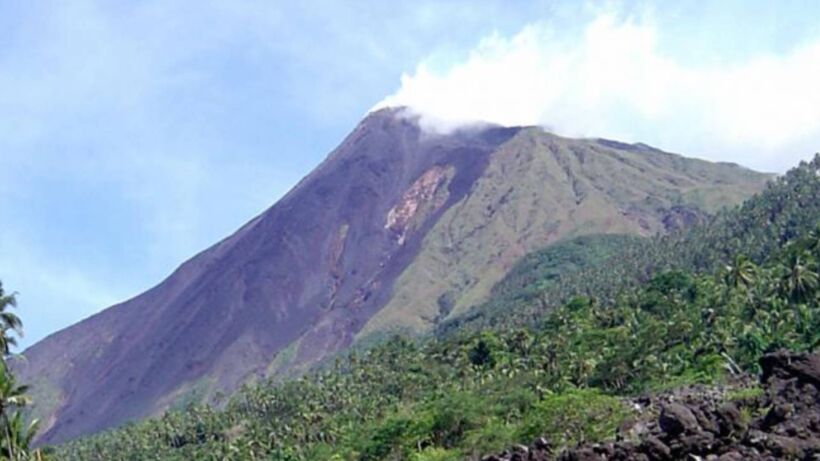
Mount Karangetang, also known as Api Siau, rises dramatically from the northern part of Siau Island, reaching an elevation of 1,784 meters above sea level. According to Dr. Surono, former head of Indonesia’s Center for Volcanology and Geological Hazard Mitigation (2019), “Karangetang is among the most active volcanoes in Indonesia, with more than 40 eruptions recorded since 1675, making it a site of significant scientific interest and considerable natural hazard.”
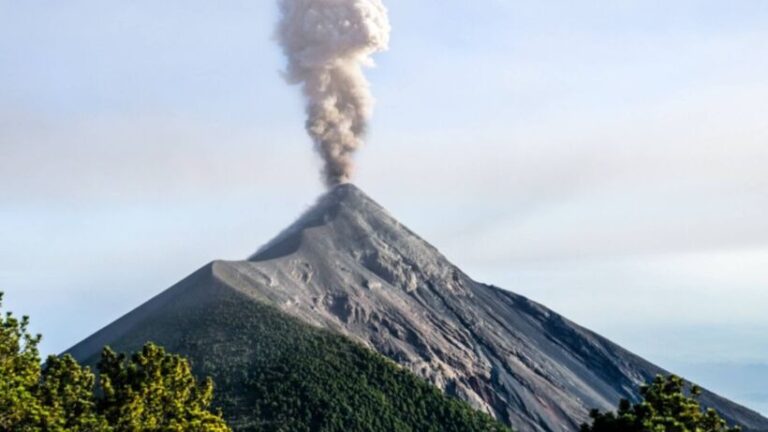
The volcano features two summit craters and numerous active vents that regularly emit lava flows, pyroclastic flows, and ash plumes. Its steep, forested slopes are periodically scarred by fresh lava flows, creating a dynamic and ever-changing landscape that offers hikers a glimpse into the powerful geological forces shaping our planet.
Karangetang’s activity level varies from day to day, ranging from gentle steam emissions to explosive eruptions. This variability makes the volcano both fascinating and dangerous, requiring careful planning and respect from anyone attempting to climb it.
Planning Your Mount Karangetang Expedition
When planning a hike up Mount Karangetang, thorough preparation is essential for both safety and enjoyment. Unlike more accessible tourist destinations, this volcano requires careful consideration of timing, physical fitness, and equipment.
The best time to attempt hiking Mount Karangetang is during the dry season from April to September when rainfall is less frequent and trail conditions are more stable. However, even during these months, weather on the volcano can change rapidly, so hikers must be prepared for various conditions.
Essential preparations for your Mount Karangetang adventure include:
- Checking the current volcanic activity status with local authorities
- Hiring a certified local guide familiar with the volcano’s current conditions
- Ensuring you have appropriate fitness for a strenuous, technical hike
- Acquiring proper equipment including sturdy hiking boots, protective clothing, and safety gear
- Arranging accommodations on Siau Island before and after your hike
- Purchasing comprehensive travel insurance that covers volcanic expeditions
- Informing others of your detailed itinerary and expected return time
According to the Indonesian Volcanology Survey (2022), approximately 300-400 hikers attempt to climb Mount Karangetang each year, with about 70% successfully reaching the summit area. The volcano’s unpredictable nature means that even experienced mountaineers sometimes need to turn back due to changing conditions.
Getting to Siau Island
Reaching Siau Island, the gateway to Mount Karangetang, is an adventure in itself that requires multiple steps of travel through Indonesia’s archipelago. The journey typically begins with an international flight to Sam Ratulangi International Airport in Manado, the capital of North Sulawesi.
From Manado, travelers have several options to continue to Siau Island:
- Domestic flight: Wings Air operates regular flights from Manado to Siau’s Ulu Siau Airport (approximately 1 hour)
- Ferry: Regular passenger ferries connect Siau with the larger neighboring island of Sulawesi (travel time varies from 8-12 hours)
- Combination flight and ferry: Fly to Tahuna (the capital of Sangihe Islands) then take a shorter ferry to Siau
Most hikers opt for the domestic flight despite its higher cost, as it saves significant time and energy that can be better spent on the volcano itself. The flight from Manado to Siau offers spectacular aerial views of the volcano and surrounding islands, providing a preview of the adventure to come.
Upon arrival in Siau, hikers typically spend at least one night in basic accommodations near the town of Ulu, acclimatizing to the local conditions and making final preparations with their guides. This pre-hike period also allows for last-minute checks of the volcano’s activity status and weather conditions.
The Mount Karangetang Hiking Experience
The actual hike up Mount Karangetang is a challenging, multi-day expedition that typically takes 2-3 days to complete, depending on the route chosen and weather conditions. Unlike more developed hiking destinations, there are no marked trails or facilities on the volcano, making an experienced local guide absolutely essential.
A typical Mount Karangetang hiking itinerary looks like this:
Day 1: Base Camp to Lower Slopes
- Begin hiking early morning from the village of Ondong (approximately 300m elevation)
- Navigate through dense tropical rainforest and agricultural land
- Set up camp at approximately 800-1,000m elevation after 6-8 hours of hiking
- Rest and prepare for the more challenging second day
Day 2: Ascent to Summit Area
- Begin before dawn to take advantage of cooler temperatures
- Navigate increasingly steep and technical terrain
- Cross areas of recent volcanic activity with extreme caution
- Reach the summit area (1,784m) after 7-9 hours of strenuous hiking
- Set up camp in a safe location away from active vents
- Experience the incredible phenomenon of volcanic activity at close range
Day 3: Descent to Base
- Begin descent early to avoid afternoon heat and potential volcanic activity
- Navigate down steep, often loose volcanic terrain
- Return to Ondong village after 5-7 hours of hiking
- Celebrate the successful expedition with local community members
According to experienced volcano guide Hendro Manurung (2023), “Climbing Karangetang is not like climbing other mountains. The ground can be hot beneath your feet, the air smells of sulfur, and you must constantly be aware of changes in the volcano’s behavior. It’s challenging, but the experience of standing on an active volcano is incomparable.”
Safety Considerations for Mount Karangetang
Safety is paramount when attempting to hike an active volcano like Mount Karangetang. The Indonesian Center for Volcanology and Geological Hazard Mitigation maintains a four-level alert system for the volcano, with Level 4 being the most dangerous. Hiking is generally only recommended when the alert level is at 1 (Normal) or 2 (Advisory).
Key safety considerations for Mount Karangetang include:
- Volcanic Activity: Constant monitoring is essential, as conditions can change rapidly
- Gas Emissions: Volcanic gases including sulfur dioxide can be hazardous in high concentrations
- Unstable Terrain: Recent lava flows and loose volcanic material create unstable footing
- Weather Conditions: Rapid weather changes can create dangerous situations
- Remote Location: Limited communication and evacuation options in case of emergency
- Physical Demands: The strenuous nature of the hike requires excellent physical fitness
- Equipment Failure: Critical safety equipment must be reliable and properly maintained
Hikers should carry essential safety equipment including:
- Respirator mask rated for volcanic gases
- Satellite communication device (cell service is unreliable)
- Comprehensive first-aid kit
- Emergency shelter (bivy bag or lightweight tent)
- Headlamp with spare batteries
- GPS device with downloaded maps
- Sufficient water and high-energy food for an extra day
Dr. Indra Gunawan, volcanologist at Gadjah Mada University (2021), emphasizes that “Mount Karangetang demands respect from all who attempt to climb it. Unlike dormant volcanoes that can be approached more casually, Karangetang requires constant vigilance and a willingness to turn back if conditions deteriorate. The mountain will always be there for another attempt.”
What to Expect During Your Climb
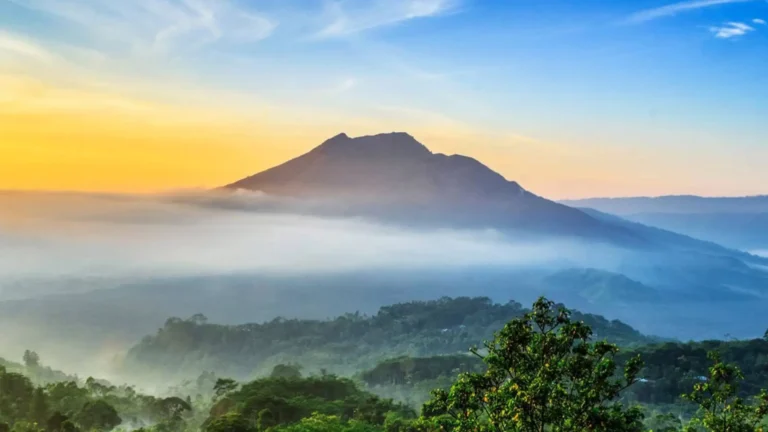
The experience of hiking Mount Karangetang is unlike any other hiking adventure. From the moment you begin your ascent, you’re immersed in a world shaped by volcanic forces. The lower slopes feature dense tropical vegetation gradually giving way to more sparse plant life as you ascend.
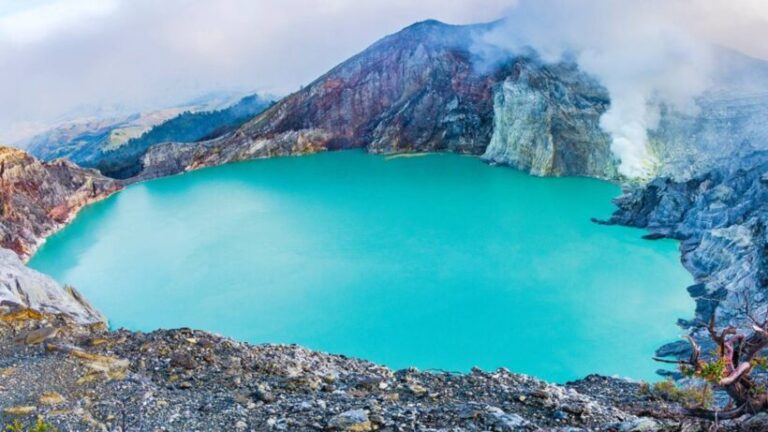
As you climb higher, the evidence of the volcano’s activity becomes increasingly apparent. You’ll encounter fields of hardened lava, areas where steam vents release sulfurous gases, and possibly even active lava flows if the volcano is in a particularly active phase. The landscape is starkly beautiful, with black volcanic rock contrasting against the deep green of surviving vegetation and the brilliant blue of the sky.
The sounds of Mount Karangetang create an unforgettable auditory experience. The constant hiss of escaping steam, the occasional rumble of moving magma beneath the surface, and the sharp reports of small rockfalls combine to create a natural symphony that underscores the raw power of the volcano.
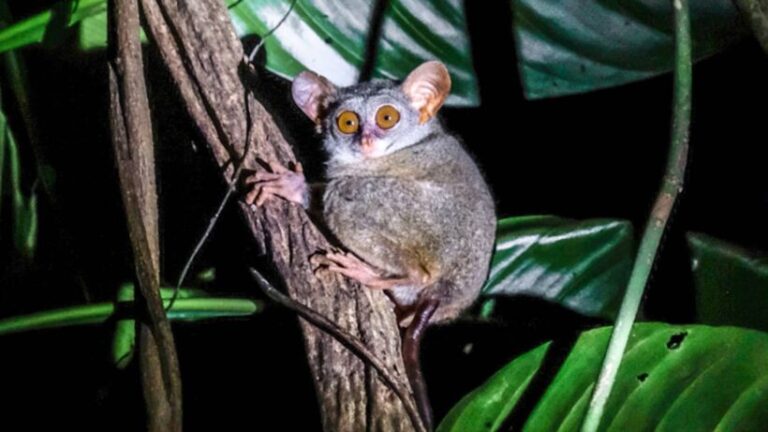
Wildlife on the volcano is surprisingly abundant, with several bird species adapted to the volcanic environment. You may spot the Siau scops owl, a small owl endemic to the island, or various species of insects that have adapted to the unique conditions.
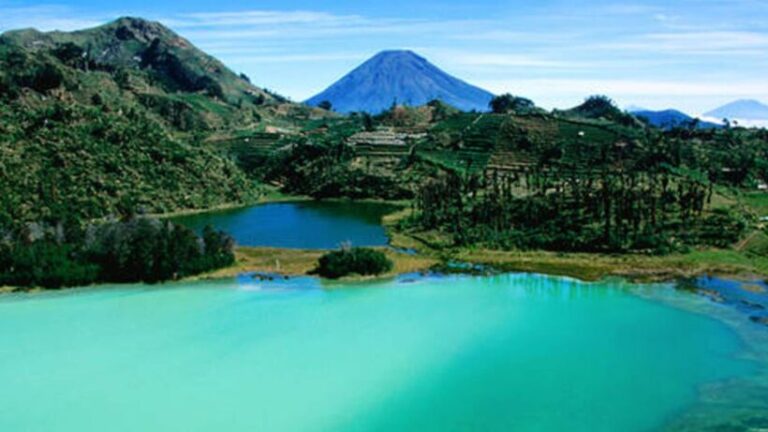
As you approach the summit area, the views become increasingly spectacular. On clear days, you can see across the Celebes Sea to neighboring islands, with the deep blue waters providing a stunning contrast to the dark volcanic landscapes. The summit craters themselves offer a humbling glimpse into the Earth’s geological processes, with glowing vents and steam emissions creating an otherworldly atmosphere.
Nighttime on Mount Karangetang is particularly magical. The darkness amplifies the volcano’s activity, with glowing lava flows and sparks from active vents creating a natural light show. Many hikers describe the experience of camping on an active volcano as one of the most profound and memorable of their lives.
Physical and Mental Preparation
Preparing for a Mount Karangetang expedition requires both physical conditioning and mental readiness. The hike is technically challenging and physically demanding, requiring excellent cardiovascular fitness, strength, and endurance.
Recommended physical preparation includes:
- Cardiovascular training: At least 3-4 sessions per week of running, cycling, or swimming
- Strength training: Focus on legs, core, and upper body with 2-3 sessions weekly
- Hiking practice: Regular hikes with a weighted pack to simulate conditions
- Stair climbing: Excellent preparation for the steep volcanic terrain
- High-altitude training: If possible, train at elevation to prepare for reduced oxygen
Mental preparation is equally important for tackling the challenges of Mount Karangetang. The isolation, physical discomfort, and potential dangers require strong mental resilience. Techniques for mental preparation include:
- Visualization: Mentally rehearse challenging aspects of the climb
- Stress management: Practice techniques for remaining calm in difficult situations
- Goal setting: Break the expedition into manageable segments with clear objectives
- Team building: Develop strong communication and trust with your climbing partners
- Risk assessment: Learn to evaluate situations objectively and make sound decisions
Many successful Mount Karangetang hikers recommend practicing meditation or mindfulness techniques to help maintain focus and calm during challenging moments of the climb. The ability to remain present and aware of your surroundings is crucial for safety on an active volcano.
Environmental and Cultural Considerations
Mount Karangetang holds significant cultural importance for the people of Siau Island, who have developed a relationship of respect and coexistence with the volcano over generations. Traditional beliefs view the volcano as both a provider of fertile soil and a powerful force to be respected.
When planning your expedition, it’s important to consider both environmental and cultural impacts:
- Environmental Impact:
- Practice Leave No Trace principles to minimize your footprint
- Avoid disturbing wildlife or removing natural specimens
- Use established camping areas when possible
- Properly dispose of all waste, carrying everything out with you
- Minimize use of open fires to prevent wildfires
- Cultural Respect:
- Learn about local customs and traditions related to the volcano
- Consult with community leaders before beginning your expedition
- Show respect for any religious practices or ceremonies you encounter
- Consider making a contribution to local community projects
- Hire local guides and porters to support the local economy
According to Dr. Ratna Sari, anthropologist at North Sulawesi University (2022), “The people of Siau have a complex relationship with Mount Karangetang that combines practical adaptation with spiritual reverence. Visitors who take the time to understand this cultural context will have a much richer experience and are more likely to be welcomed by the local community.”
Post-Hike Recovery and Reflection
After completing your Mount Karangetang expedition, proper recovery is essential. The physical demands of the hike leave most hikers exhausted, and the mental intensity of the experience requires time for processing.
Recommended post-hike recovery practices include:
- Physical rest: Allow at least 2-3 days of complete rest after your descent
- Hydration and nutrition: Replenish fluids and nutrients depleted during the climb
- Gentle movement: Light stretching and short walks to prevent stiffness
- Medical check: Consider a basic medical examination to address any potential issues
- Skin care: Treat any cuts, scrapes or burns acquired during the hike
Many hikers find value in journaling about their Mount Karangetang experience, capturing details and impressions while fresh. The profound nature of climbing an active volcano often leads to deep reflections on humanity’s place in the natural world and the power of geological forces.
Sharing your experience responsibly can also benefit others considering similar expeditions. Detailed trip reports, photographs (when taken safely), and honest assessments of challenges can provide valuable information for future hikers while raising awareness about the importance of volcanic conservation and safety.
Is Mount Karangetang Right for You?
Mount Karangetang is not a destination for casual hikers or those seeking a comfortable adventure. It demands serious preparation, accepts no shortcuts, and carries inherent risks that must be respected. However, for those with the right experience, fitness, and mindset, it offers an unparalleled experience of witnessing Earth’s geological processes in action.
You might be ready for Mount Karangetang if you:
- Have previous experience with technical hiking or mountaineering
- Possess excellent physical fitness and stamina
- Understand and respect volcanic hazards
- Are comfortable with remote, challenging environments
- Can make sound decisions under pressure
- Work well in a team setting
- Have flexible travel plans to accommodate volcanic activity
You might want to consider alternative destinations if you:
- Have limited hiking or mountaineering experience
- Have respiratory or cardiovascular health concerns
- Are uncomfortable with unpredictable conditions
- Require reliable communication or quick evacuation options
- Prefer well-maintained trails and facilities
- Have limited time for expedition-style travel
For those who decide that Mount Karangetang is the right challenge, the rewards are immense. The experience of standing on an active volcano, witnessing the raw power of nature, and testing your limits in one of the world’s most dynamic environments creates memories that last a lifetime.
Are you ready?
Ready to challenge yourself with the ultimate volcano adventure? Begin planning your Mount Karangetang expedition today by researching current volcanic activity, connecting with certified local guides, and starting your physical preparation. The mountain awaits those with the courage, respect, and preparation to experience its magnificent power firsthand!
Summary
- Mount Karangetang is an active stratovolcano on Siau Island, North Sulawesi, Indonesia.
- The volcano stands at 1,784 meters above sea level and is one of Indonesia’s most active volcanoes.
- Hiking Mount Karangetang requires a local guide due to its active status and challenging terrain.
- The best time to hike is during the dry season from April to September.
- Safety precautions include monitoring volcanic activity levels and wearing appropriate gear.