India and South Asia Aviation Boom Signals Need for 3,300 New Aircraft by 2044 Across India, Sri Lanka, Bangladesh, and Nepal
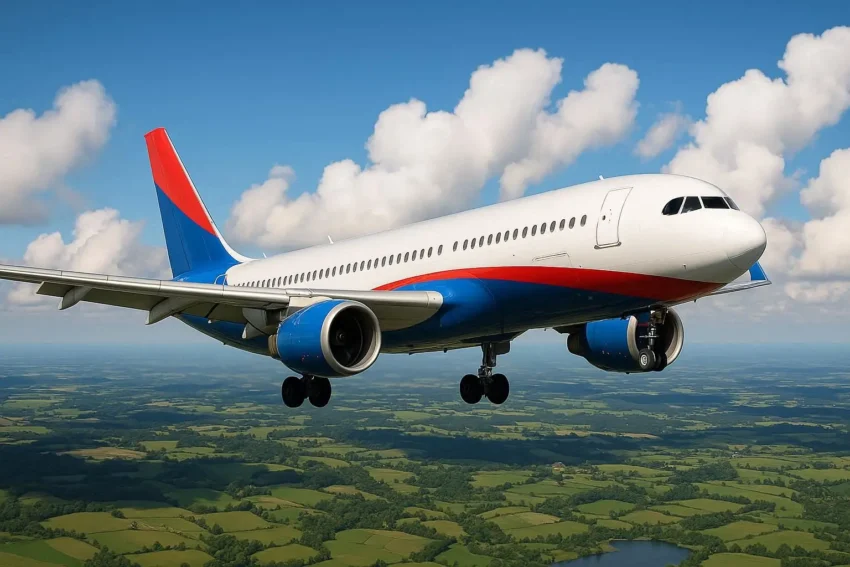

A transformative phase for aviation in India and South Asia has been outlined as long term passenger demand continues to accelerate across the region. According to Boeing, sustained growth in air traffic, expanding middle class populations, and rising economic activity are expected to reshape airline networks and fleet strategies in countries such as India, Sri Lanka, Bangladesh, and Nepal over the next two decades. The region has been identified as one of the fastest growing aviation markets globally, supported by strong domestic demand and increasing international connectivity.
In this evolving environment, nearly 3,300 new aircraft are projected to be required by 2044 to support capacity expansion and fleet replacement. Growth is being driven not only by passenger travel but also by cargo demand and aviation services, creating a broad based industry expansion. Airlines including IndiGo and Air India have been positioned at the center of this transformation, with large scale fleet expansion plans already underway.
As outlined in Boeing’s latest Commercial Market Outlook released in Hyderabad, India, the coming decades are expected to see aviation play an even greater role in regional mobility and economic development. Significant investments in aircraft, infrastructure, and workforce development are expected to follow, reshaping the aviation landscape across South Asia.
Boeing Outlook Highlights Regional Growth Potential
Boeing has projected that air traffic across India and South Asia will grow at an average annual rate of around 7 percent through 2044. This sustained pace of growth has been identified as a key factor behind the demand for nearly 3,300 new airplanes over the next twenty years. The outlook has been shaped by long term economic trends, including rising household incomes, urbanization, and increased access to affordable air travel across the region.
The forecast has been released near Rajiv Gandhi International Airport in Hyderabad, underscoring the growing importance of India as a focal point for aviation development in South Asia. Regional markets such as Bangladesh, Sri Lanka, and Nepal have also been included in the broader growth narrative, as cross border travel and regional connectivity continue to improve.
Commercial Fleet Expansion Through 2044
According to Boeing, the combined commercial fleet in India and South Asia is expected to expand significantly, rising from approximately 795 aircraft today to nearly 2,925 aircraft by 2044. This expansion has been attributed to both rising passenger volumes and the replacement of older, less efficient aircraft currently in service.
Fleet modernization has been positioned as a strategic priority for airlines seeking improved fuel efficiency, reliability, and operational flexibility. Newer aircraft types are expected to support higher utilization rates while reducing operating costs and environmental impact. Across India and neighboring South Asian countries, airlines have been encouraged to align fleet strategies with long term demand trends rather than short term market fluctuations.
Domestic Travel as the Primary Growth Engine
Domestic air travel has been identified as the dominant driver of future growth across India and South Asia. A continued shift from rail and road transport to air travel on short and medium haul routes has been observed, particularly within India’s rapidly expanding domestic network.
Regional connectivity programs and investments in airport infrastructure have been highlighted as key enablers of this shift. New and upgraded airports across India, along with improved air navigation systems, have been expected to support higher traffic volumes and more frequent services to secondary and tertiary cities.
In countries such as Sri Lanka and Bangladesh, domestic and short haul regional routes have also been expected to benefit from increased demand, supporting the introduction of new narrowbody aircraft and higher flight frequencies.
Single Aisle Aircraft to Dominate Deliveries
Single aisle aircraft have been forecast to account for nearly 90 percent of all new aircraft deliveries in India and South Asia through 2044. Narrowbody jets have been favored by airlines due to their suitability for dense domestic routes, high frequency operations, and flexibility across varying market sizes.
Aircraft in this category have been widely used to connect major metropolitan centers with smaller cities, supporting balanced network growth. Airlines such as IndiGo and Air India Express have already relied heavily on single aisle fleets, and this trend has been expected to continue as capacity expansion accelerates.
The dominance of single aisle aircraft has also been linked to cost efficiency, as these jets allow airlines to manage operating expenses while maintaining competitive pricing in highly price sensitive markets.
Expanding Role of Widebody Aircraft
While single aisle aircraft have been expected to form the backbone of regional fleets, demand for widebody aircraft has also been projected to grow steadily. Boeing has forecast that the widebody fleet in India and South Asia will more than triple by 2044.
This growth has been driven by airlines expanding long haul services to key international markets in the Middle East, Europe, and North America. Carriers such as Air India have been actively rebuilding long haul networks, supported by the introduction of new widebody aircraft including the Boeing 787 family.
Improved connectivity has been expected to strengthen economic and cultural ties between South Asia and global markets, further reinforcing demand for long range aircraft.
Cargo Operations and Freighter Growth
Cargo aviation has been positioned as another major growth area within the region. Boeing has projected that the South Asia freighter fleet, including both new and converted aircraft, will grow fivefold over the next twenty years.
This expansion has been linked to the rapid growth of India’s manufacturing sector, rising exports, and increasing e commerce volumes. Air cargo has been expected to play a critical role in supporting supply chains across India, Bangladesh, and neighboring markets, particularly for high value and time sensitive goods.
As a result, significant investments in dedicated freighter aircraft and cargo infrastructure have been anticipated across major hubs in the region.
Aviation Services and Workforce Demand
Beyond aircraft deliveries, Boeing has estimated that more than 195 billion dollars will be spent on aviation services across India and South Asia by 2044. These services have included maintenance, repair and overhaul activities, digital solutions, pilot training, and aircraft modifications.
The scale of fleet expansion has also been expected to drive substantial workforce demand. Approximately 141,000 new aviation professionals have been projected to be required over the next two decades. This figure has included pilots, aircraft technicians, and cabin crew members needed to support growing airline operations.
Workforce development has been identified as a critical challenge, requiring coordinated efforts between airlines, training institutions, and government agencies across the region.
Strategic Importance of India and South Asia
Boeing’s forecast has reinforced the strategic importance of India and South Asia within the global aviation industry. With strong passenger growth, expanding fleets, and rising cargo demand, the region has been positioned as a key contributor to worldwide aviation expansion through 2044.
As airlines continue to invest in modern aircraft and operational capabilities, India, Sri Lanka, Bangladesh, and Nepal have been expected to play increasingly influential roles in shaping future air travel trends. The combination of economic growth, demographic strength, and infrastructure development has placed South Asia firmly at the center of global aviation growth for the coming decades.
The post India and South Asia Aviation Boom Signals Need for 3,300 New Aircraft by 2044 Across India, Sri Lanka, Bangladesh, and Nepal appeared first on Travel And Tour World.
[ad_2]
Read the full article on Source link