Baby Sea Turtle Release: Incredible Bali Experience
Discover the magical experience of baby sea turtle release in Kuta, Bali. Learn how you can participate in this meaningful conservation activity while visiting the Island of the Gods.
- Baby Sea Turtle Release
- Understanding the Baby Sea Turtle Release Experience
- The Conservation Significance
- What to Expect During a Baby Sea Turtle Release
- How to Participate in a Baby Sea Turtle Release
- Best Practices for Responsible Turtle Tourism
- Beyond the Release: Other BSTS Conservation Initiatives
- The Impact of Tourism on Turtle Conservation
- Planning Your Visit to Kuta for Turtle Release
- Other Turtle Conservation Sites in Bali
- Are you ready?
- Summary
Baby Sea Turtle Release
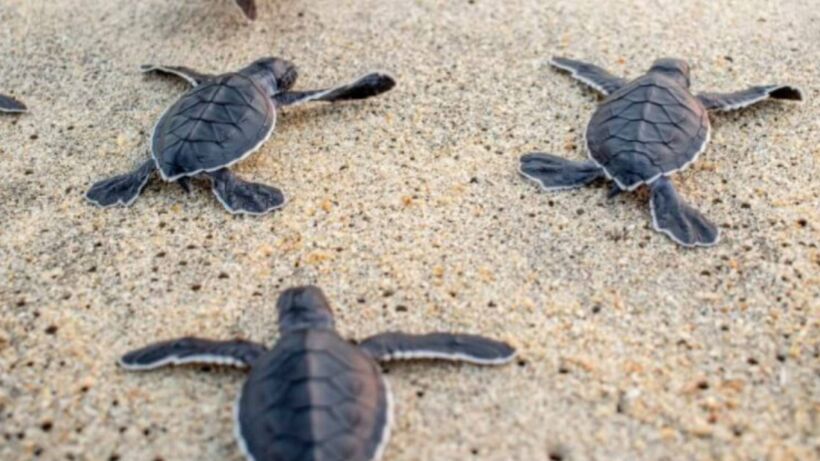
Baby sea turtle release in Kuta, Bali offers one of the most memorable and meaningful experiences for visitors to the Island of the Gods. This conservation activity allows travelers to witness and participate in the crucial first journey of endangered sea turtle hatchlings as they make their way from the beach to the ocean.
The Bali Sea Turtle Society (BSTS) has been at the forefront of sea turtle conservation efforts in Bali for years. Founded by local conservationists concerned about the declining turtle populations due to poaching, habitat loss, and pollution, the organization runs a comprehensive program that includes protecting nesting sites, relocating eggs to safe hatcheries, and educating the public about the importance of sea turtle conservation.
Understanding the Baby Sea Turtle Release Experience
The baby sea turtle release program is designed to give these vulnerable creatures the best possible chance of survival. Here’s what you need to know about this remarkable experience:
- Timing: Releases typically occur around sunset when the sand has cooled and predators are less active
- Season: Turtle nesting season in Bali generally runs from March to September, with peak releases from May to August
- Duration: The entire experience usually lasts about 30-45 minutes
- Participation: Visitors are welcome to join and can even assist in releasing the hatchlings
- Cost: While there’s no fixed fee, donations are encouraged to support the conservation efforts
According to Wayan Wiradnyana, founder of the Bali Sea Turtle Society, “Our conservation program has successfully released over 50,000 hatchlings since 2012, significantly contributing to the preservation of sea turtle populations in Bali waters” (Wiradnyana, 2021).
The Conservation Significance
Sea turtles play a vital role in maintaining the health of marine ecosystems. They help control jellyfish populations, maintain seagrass beds, and contribute to nutrient cycling in ocean environments. Despite their ecological importance, all seven species of sea turtles are classified as threatened or endangered.
The baby sea turtle release program in Kuta addresses several critical conservation challenges:
- Predation: Only about 1 in 1,000 sea turtle hatchlings survive to adulthood in the wild
- Light pollution: Artificial lights can disorient hatchlings, leading them away from the ocean
- Beach erosion and development: Loss of suitable nesting sites threatens turtle reproduction
- Climate change: Rising temperatures can affect the sex ratio of hatchlings
- Plastic pollution: Turtles often mistake plastic debris for food, with fatal consequences
Dr. Putu Liza Kusuma Mustika, a marine turtle researcher at Udayana University, states that “Community-based conservation programs like the one in Kuta are essential for the long-term survival of sea turtles in Indonesia. They not only protect the turtles but also raise awareness among locals and tourists alike” (Mustika, 2020).
What to Expect During a Baby Sea Turtle Release
Participating in a baby sea turtle release is a carefully structured experience designed to ensure the safety of the turtles while providing an educational opportunity for visitors. Here’s what typically happens:
- Arrival at the BSTS Conservation Center on Kuta Beach
- Brief educational presentation about sea turtles and conservation efforts
- Visit to the hatchery to see the nests and learn about incubation
- Selection of healthy hatchlings ready for release
- Group formation with each participant receiving a small container with a hatchling
- Walk to the shoreline as the sun begins to set
- Release of the hatchlings under the guidance of BSTS staff
- Watching as the baby turtles make their first journey to the ocean
The experience is both educational and emotional, as participants realize they’re playing a small but significant role in the survival of these ancient creatures. The sight of tiny hatchlings instinctively scrambling toward the waves is unforgettable for most visitors.
How to Participate in a Baby Sea Turtle Release
If you’re interested in participating in this meaningful conservation activity, follow these steps:
- Check the BSTS website or social media for release schedules
- Arrive at the conservation center about 30 minutes before the scheduled release time
- Register and make a donation (suggested amount is usually around 100,000 IDR per person)
- Listen carefully to the instructions provided by BSTS staff
- Follow all guidelines during the release to ensure the turtles’ safety
- Consider purchasing BSTS merchandise to further support their conservation efforts
It’s important to note that releases are dependent on hatchling availability and weather conditions. During peak season, releases happen almost daily, but during other times, they may occur less frequently.
Best Practices for Responsible Turtle Tourism
When participating in a baby sea turtle release, it’s crucial to follow responsible tourism practices:
- Never touch the hatchlings without permission and guidance from BSTS staff
- Avoid using flash photography, which can disorient the turtles
- Do not wear sunscreen or insect repellent on your hands if handling hatchlings
- Keep noise levels to a minimum to avoid stressing the turtles
- Follow all instructions from BSTS staff regarding the release process
- Never remove hatchlings from their containers before reaching the shoreline
- Ensure all containers are properly returned after the release
These guidelines help ensure that the conservation experience doesn’t inadvertently harm the very creatures it aims to protect.
Beyond the Release: Other BSTS Conservation Initiatives
While the baby sea turtle release is the most visible aspect of BSTS’s work, the organization is involved in several other important conservation initiatives:
- Beach cleaning programs to remove plastic and other debris that can harm turtles
- Educational outreach programs in local schools and communities
- Research and monitoring of turtle populations and nesting sites
- Rescue and rehabilitation of injured adult turtles
- Advocacy for stronger environmental protection policies
Visitors who want to support these efforts can do so through donations, volunteering opportunities, or simply by spreading awareness about the importance of sea turtle conservation.
The Impact of Tourism on Turtle Conservation
Tourism can be a double-edged sword for conservation efforts. On one hand, it provides essential funding and raises awareness. On the other, it can lead to disturbance if not properly managed.
The BSTS has found a careful balance by:
- Limiting the number of participants in each release
- Providing thorough education before allowing participation
- Implementing strict guidelines to minimize stress on the turtles
- Using tourism revenue to fund broader conservation initiatives
This sustainable approach ensures that tourism benefits rather than harms the turtle population.
Planning Your Visit to Kuta for Turtle Release
If you’re planning to include a baby sea turtle release in your Bali itinerary, consider these practical tips:
- Timing: Plan your visit between May and August for the best chance to witness releases
- Accommodation: Stay in Kuta or nearby Seminyak for easy access to the conservation center
- Transportation: The center is easily reachable by taxi, scooter, or on foot from most Kuta hotels
- What to bring: Camera (no flash), comfortable beachwear, and a small amount of cash for donations
- Combining activities: The release happens at sunset, leaving your day free for other Bali experiences
Other Turtle Conservation Sites in Bali
While Kuta is perhaps the most well-known, Bali has several other turtle conservation sites worth visiting:
- Serangan Island: Home to the Turtle Conservation and Education Center
- Tanjung Benoa: Features a turtle hatchery and release program
- Perancak: A more remote conservation site in West Bali
Each offers a slightly different experience but shares the common goal of protecting Bali’s sea turtle populations.
The baby sea turtle release experience in Kuta is more than just a tourist activity—it’s a meaningful connection to nature and a direct contribution to conservation efforts. By participating, you’re not only creating lasting memories but also helping to ensure that future generations can continue to witness the miracle of sea turtles returning to Bali’s shores.
Are you ready?
Ready to be part of this incredible conservation journey? Plan your visit to the Bali Sea Turtle Society today and experience the magic of releasing baby sea turtles into their ocean home. Your participation helps protect these magnificent creatures for generations to come.
Summary
- The Bali Sea Turtle Society protects endangered sea turtles through conservation programs and public education.
- Baby sea turtle release typically occurs at sunset on Kuta Beach when conditions are optimal.
- Visitors can participate in releases by making a donation and following BSTS guidelines.
- Olive Ridley turtles are the most common species released, though others occasionally appear.
- The program has released thousands of hatchlings annually, boosting local sea turtle populations.