Amsterdam Cruises Prepares for Cleaner Canals and Reduced Overtourism as Ocean-Going Cruise Ships Face Gradual Phase-Out by 2035
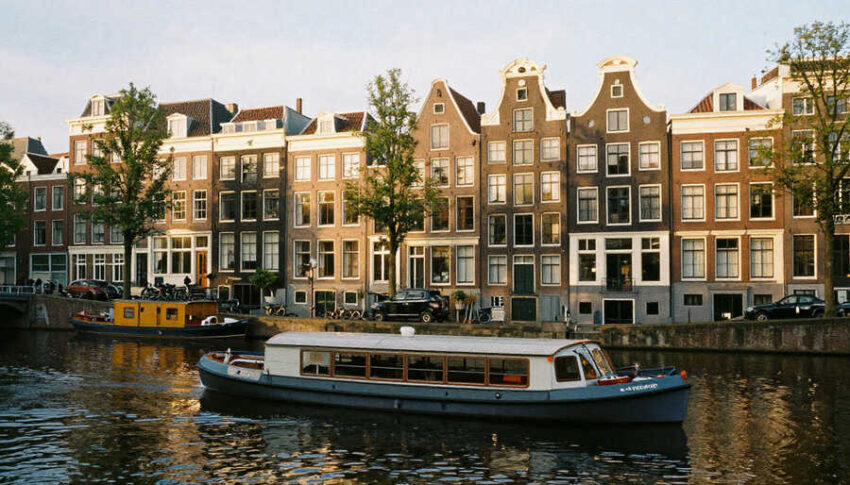

Amsterdam Cruises is embarking on a major shift in how it manages tourism, announcing plans to gradually phase out all ocean-going cruise ships by 2035. This move comes as the city confronts growing concerns over environmental pollution, overcrowding, and the impact of large vessels on its historic canals and neighborhoods. Smaller river cruises are expected to continue operating, but the era of massive cruise liners docking in central Amsterdam appears to be drawing to a close.
City officials have highlighted both economic and environmental considerations in shaping the new strategy. Previous proposals included limiting cruise ship visits, enforcing daily caps, and relocating the primary terminal to the city’s eastern district. However, studies indicate that eliminating ocean-going cruise ships altogether is more cost-effective than terminal relocation while simultaneously addressing long-term urban and ecological challenges.
The environmental footprint of large cruise ships has long been a source of concern. Vessels carrying thousands of passengers emit carbon dioxide, nitrogen oxides, and particulate matter, contributing to air pollution and affecting the health and quality of life of nearby residents. Docking in the city center also generates noise, traffic congestion, and pressure on public infrastructure, while Amsterdam’s historic neighborhoods face wear and tear from the concentrated tourist influx.
Although cruise operators have introduced measures to reduce emissions, including low-sulfur fuels and exhaust scrubbers, city authorities maintain that these actions do not fully mitigate the impact of frequent port calls. EU regulations set to take effect in 2030 will require shore power at major ports, allowing ships to plug in rather than run engines while docked. Nevertheless, concerns over air quality, congestion, and urban livability have strengthened support for a more decisive solution.
Earlier proposals, developed in 2023 and 2024, aimed to gradually limit cruise ship traffic. They included one ship per day with an annual maximum of 100 calls for ocean-going vessels, alongside mandatory shore power connections from 2027. River cruises, which are smaller and produce fewer emissions, were expected to continue operating with modest reductions. These measures were seen as a compromise between tourism growth and sustainability, but recent analysis suggests that a full phase-out of ocean-going ships provides a clearer and more effective path forward.
Relocating the main cruise terminal to an eastern area of the city was considered as an alternative, but the estimated cost of €85 million far exceeds the projected revenue of €46 million from cruise activity over the next thirty years. With this financial imbalance, city planners concluded that full elimination is the most practical and economically rational approach.
The proposed phase-out emphasizes environmental protection and urban livability. By removing large cruise ships, Amsterdam aims to reduce air and noise pollution, relieve congestion in residential areas, and safeguard historic canals and buildings. At the same time, it allows the city to focus on promoting sustainable tourism, encouraging visitors to engage in experiences that generate economic value without overwhelming infrastructure or compromising quality of life.
Amsterdam’s approach mirrors trends across Europe. Cities such as Barcelona have restricted cruise ship calls to reduce congestion and environmental strain. The French Riviera regulates vessel size and limits port visits. Greek islands have introduced passenger taxes to control tourist flows and support infrastructure. Amsterdam’s plan aligns with these measures, reinforcing the importance of sustainability and community-centered tourism policies in urban destinations.
Economically, phasing out ocean-going vessels may reduce direct revenue from cruise-related fees. However, indirect benefits, such as reduced maintenance costs for city infrastructure, fewer environmental cleanup expenses, and improved quality of life for residents, are expected to outweigh losses. Redirecting cruise traffic to nearby ports, including Rotterdam, provides an avenue to maintain tourism-related economic activity while reducing pressure on Amsterdam’s city center. Some cruise lines already operate from Rotterdam, offering transport services to Amsterdam for passengers who wish to visit the city.
The plan’s gradual timeline, stretching to 2035, allows ample time for the cruise industry and local authorities to adapt. It provides an opportunity to develop alternative tourism strategies, such as promoting river cruises, sustainable urban tours, and smaller-scale cultural excursions. Additionally, it permits monitoring of the environmental and social effects, including improvements in air quality, noise reduction, and the overall urban experience for residents and visitors.
While ocean-going ships will eventually disappear from Amsterdam, river cruises are expected to continue operating. These smaller vessels carry fewer passengers, emit less pollution, and integrate more easily with the city’s canals and infrastructure. Their continued presence ensures that the city retains a vibrant tourism sector while reducing the negative impacts associated with large-scale cruising.
The elimination of ocean-going cruise ships is also anticipated to have positive urban planning implications. Quieter waterways, cleaner air, and reduced congestion will improve the overall environment for residents and tourists. Historic districts and cultural landmarks will experience less wear and tear, helping to preserve Amsterdam’s unique character and heritage for future generations.
Overall, the phase-out plan represents a strategic shift in urban tourism management. By prioritizing environmental sustainability, community welfare, and long-term planning, Amsterdam is positioning itself as a leader in responsible tourism policy. The approach demonstrates that urban destinations can maintain global appeal while mitigating the negative consequences of high-impact tourism.
By 2035, Amsterdam’s canals are expected to become quieter, cleaner, and more accessible, as ocean-going cruise ships are removed from the city center. Strategic relocation of cruise traffic to alternative ports, investments in environmentally friendly tourism options, and continued support for river-based excursions will allow the city to balance economic growth with sustainable urban management.
Amsterdam’s initiative highlights the increasing importance of integrating environmental, social, and economic considerations in tourism planning. It offers a model for other cities facing similar pressures, showing that careful planning and decisive action can reduce pollution, alleviate congestion, and preserve cultural heritage without compromising a city’s status as a global destination. By removing large cruise liners from its canals, Amsterdam is laying the groundwork for a future in which tourism growth is compatible with urban sustainability, quality of life, and cultural preservation.
The post Amsterdam Cruises Prepares for Cleaner Canals and Reduced Overtourism as Ocean-Going Cruise Ships Face Gradual Phase-Out by 2035 appeared first on Travel And Tour World.
[ad_2]
Read the full article on Source link