Bukit Lawang: Chasing Orangutans in the Jungle
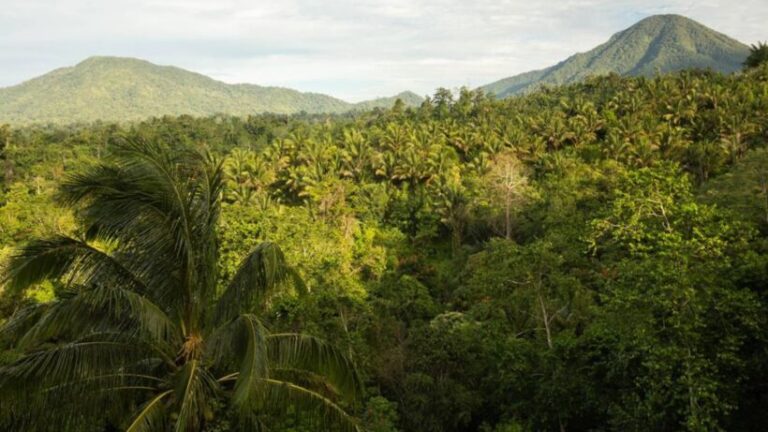
The journey from Medan to Bukit Lawang is an assault on the senses. The moment I left the chaos of the city, the landscape turned into a blur of palm oil plantations, eventually giving way to deep, vibrant green. The road got bumpier, the air got thicker, and the smell of exhaust fumes was replaced by the scent of damp earth and vegetation.
Chasing Orangutans in the Jungle of Bukit Lawang
I had come to North Sumatra for one reason: to see wild orangutans. I had seen them in zoos, but seeing them in the wild—their actual home—felt different. It felt like a pilgrimage.
As the car rattled over the bridge and I caught my first glimpse of the Bohorok River roaring below, I realized just how remote I was. Bukit Lawang isn’t just a tourist spot; it’s a tiny village clinging to the edge of the Gunung Leuser National Park, one of the last places on earth where these great apes still roam free.
Arrival: A Village on the River’s Edge
I arrived in the mid-afternoon heat, sweating through my shirt. The village is basic. There are no luxury resorts here. Just a collection of wooden guesthouses perched on the hillside, accessible by steep stone steps that wind through the jungle.
I checked into a guesthouse that sat right on the riverbank. The room was simple—a fan, a mattress, and a mosquito net—but the view was insane. From my balcony, I could watch the water rush by, carrying inner tubes of tourists shrieking with delight as they bounced over the rapids.
The soundscape here is unique. You hear the constant roar of the water, the distant hum of motorbikes, and then, at dusk, the jungle comes alive. The cicadas start their rhythmic clicking, and if you listen closely, you can hear the deep, resonant call of a gibbon echoing through the valley. It’s a sound that makes the hair on your arms stand up.
Into the Jungle: The Trek
I knew I couldn’t just wander into the park on my own. It’s a UNESCO World Heritage site and legitimately wild. You have to hire a guide. I was initially hesitant about the cost—trekking here isn’t as cheap as the rest of Indonesia—but I quickly realized why.
My guide, Herman, showed up at 8:00 AM sharp. He wore rubber boots and carried a machete, which he used mostly to hack away at the overgrown vines blocking our path.
The Climb
The hike started deceptively easy. We walked along the riverbank for a bit, but within twenty minutes, we were heading straight up. The humidity in Sumatra is no joke. It’s a heavy, wet heat that drenches you instantly.
The trail was slick with mud and moss. Tree roots crisscrossed the path like wooden snakes. I was panting, my calves burning, wondering what I had gotten myself into.
Then Herman stopped. He held up a hand and pointed into the canopy above.
The Encounter
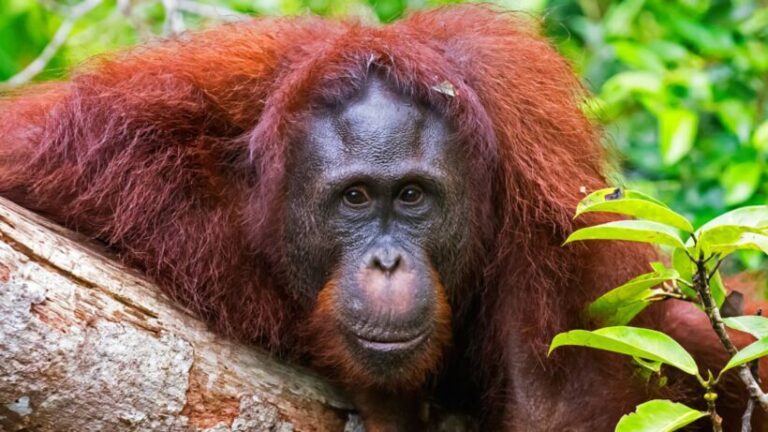
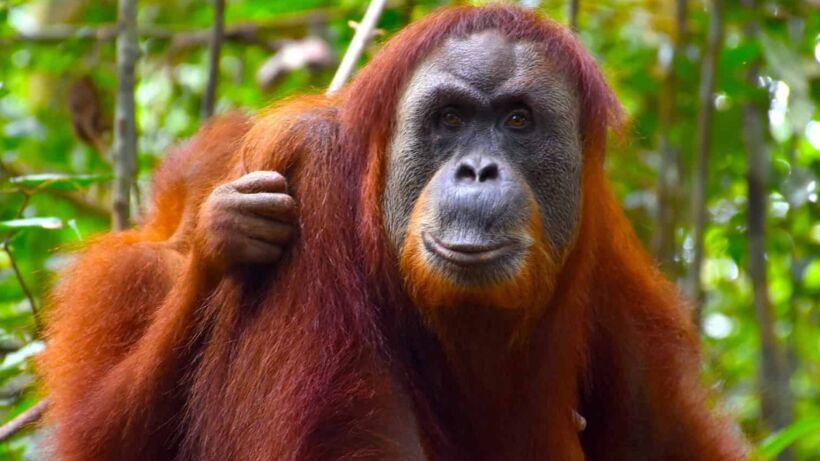
About fifty feet up, completely silent, was a massive male orangutan. He was watching us.
Seeing an animal that size move through the trees is humbling. He didn’t rush. He moved with a deliberate, heavy grace, pulling branches toward him. His fur was a deep reddish-orange, glowing in the shafts of sunlight that pierced the canopy.
We watched him for maybe ten minutes. He ate some fruit, scratched his side, and then effortlessly swung away, disappearing into the dense foliage.
It wasn’t a “performance.” He didn’t do tricks for bananas. He was just existing, and we were lucky enough to be witnesses. That was the moment the sweat and the mud stopped mattering.
The Thomas Leaf Monkeys
The orangutans were the main event, but the supporting cast was just as good. We ran into a trouve of Thomas Leaf Monkeys. These guys look like they have punk rock haircuts—grey fur with a distinct crest on their heads and a heart-shaped white patch on their rear ends.
They were chaotic, loud, and hilarious. They crashed through the branches, throwing half-eaten fruit down at us. One landed on a vine just a few feet away and stared, before deciding we were boring and moving on.
The River Tubing Experience
After six hours of trekking, my legs were jelly. Herman led us down to the riverbank where two large rubber inner tubes were waiting.
This is the best way to end a trek. You don’t hike back. You float.
We strapped our bags to a separate tube and hopped in. The current immediately grabbed us. The water is cool and refreshing, a stark contrast to the sticky air. We drifted past the village, past kids jumping off bridges, and through sections of calm water where the jungle hangs right over the river, creating a green tunnel.
It was peaceful, aside from the occasional rapid that made me grip the handles for dear life. I lay back, looked up at the blue sky peeking through the leaves, and felt completely content.
Planning Your Trip to Bukit Lawang
If you are thinking of going, you need to be prepared. This isn’t Bali. It’s rough around the edges, and that’s exactly why I loved it.
Getting There
You have to get to Medan first.
- From Medan Airport (KNO): It’s a nightmare to try to figure out public transport with all the gear. I booked a private car (often called a “travel” or “share taxi”). It takes about 3 to 4 hours.
- The Cost: Expect to pay around 600,000 – 800,000 IDR ($40 – $55 USD) for a car. You can try to bargain, but with fuel prices, that’s a fair rate.
The Trekking Costs
This is where it gets a bit pricier than the rest of Indonesia. You can’t pay the park entrance fee directly at a gate; it’s usually included in the price you pay your guide.
- Half-Day Trek: Usually starts around €35 – €50 EUR per person. This includes the guide, park permit, and fruit.
- Full-Day Trek: Expect to pay around €60 – €75 EUR.
- Overnight Trek: If you want to camp in the jungle, it’s about €85 – €100 EUR.
Note: Guides are paid a set salary, but tipping is expected. If your guide was good (and Herman was great), give them an extra 100,000 – 200,000 IDR.
What to Bring
- Leech Socks: I didn’t have them, and I regretted it. It’s the rainforest, and leeches are part of the ecosystem. Wear long socks tucked into your pants if you don’t have leech socks.
- Good Boots: Don’t wear Converse. You need grip.
- Swimwear: You’ll want it for the tubing part.
Is It Worth It?
I left Bukit Lawang covered in mud, bitten by mosquitoes, and exhausted. But I also left with a memory of looking into the eyes of a wild orangutan that I will keep forever.
If you want luxury, go to the Maldives. But if you want to feel like a proper explorer, to get your boots dirty and see something truly wild, Bukit Lawang is the place. Just make sure you’re in good shape—the jungle doesn’t compromise.