Releasing Baby Sea Turtles in Bali: My Emotional Evening
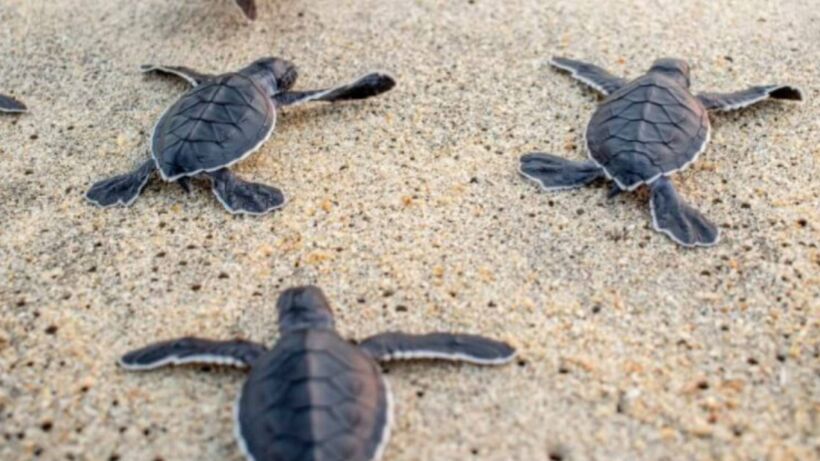
I’ve done a lot of cool things in Bali. I’ve hiked volcanoes at sunrise, dove with Manta rays, and eaten my body weight in spicy noodles. But sitting on the sand at Kuta Beach at sunset, holding a plastic cup containing a creature that weighed less than a marshmallow? That hit different.
Releasing Baby Sea Turtles in Bali
I had heard about the sea turtle conservation programs on the island, but honestly, I was skeptical. Sometimes these “animal experiences” can feel a bit touristy or, worse, unethical. But I wanted to see for myself if releasing baby turtles was as meaningful as people claimed, or if it was just a photo op.
Finding the Kuta Sea Turtle Conservation Center
I headed to the Kuta Sea Turtle Conservation Center (KSTC) near the Hard Rock Hotel. If you’ve been to Kuta, you know it’s chaotic. The traffic is a symphony of honking scooter horns, the air smells of exhaust and sunscreen, and there are shops selling surf gear everywhere.
Walking into the conservation center felt like stepping into a bubble of calm. It’s tucked away right behind the beach patrol station.
I arrived around 5:00 PM. The sun was already starting to dip, painting the sky in those deep purples and oranges that Bali does so well. The air was cooling off, but the ground was still warm under my bare feet.
Meeting the Hatchlings
The volunteers led us over to a shaded area where they kept the hatchlings. There were about fifty of us waiting, a mix of families with excited kids and couples like us.
Inside a concrete tub, there was a writhing mass of black and grey flippers. They were Olive Ridley turtles, freshly hatched. Seeing them up close was startling. They were tiny—maybe the size of the palm of my hand—and frantic. They were scrambling over each other, climbing the walls of the tub, driven by this instinctual, desperate need to move.
The volunteer handed me a small plastic cup with one inside. It sat still for a second, looking up at me with eyes that looked ancient, then started flailing against the plastic. It felt fragile. It felt incredibly alive. I suddenly felt very protective of this little guy.
The Dash to the Ocean
We all lined up single file and walked down to the shoreline. The volunteers gave us strict instructions: walk to the water line, tip the cup gently, and let them crawl. No throwing, no helping them swim. They have to make that journey on their own.
The sand was wet and packed hard. The waves were crashing gently, a rhythmic whoosh that drowned out the noise of the traffic behind us.
I crouched down and tipped my cup. The turtle tumbled out, flipped over once, righted itself, and paused. It sniffed the air—or seemed to. Then, it caught the scent of the sea and started booking it. For something with tiny flippers, they move fast.
Watching it hit the water was a strange mix of joy and anxiety. The moment a wave caught it, it was gone. Just like that. It dove under the foam and disappeared into the vast Indian Ocean.
I felt a lump in my throat. Statistically, I know that only one in a thousand of these little guys makes it to adulthood. The odds are stacked against them—predators, pollution, fishing nets. But standing there, watching the crowd cheer as the last one disappeared into the surf, it felt like we gave them a fighting chance.
The Ethical Side of Turtle Release
I need to be real with you about this. Bali has a massive problem with unethical animal tourism.
You will see guys walking the beaches in Kuta, Seminyak, and Lovina with buckets of turtles, asking you for money to release them. Do not do this.
These are almost always wild-caught adults or hatchlings taken from legitimate nests. They are often kept in terrible conditions—dark buckets, no food, stressed out—until a tourist pays up. By paying them, you are creating a market for the theft of turtles.
The experience I had at the Kuta Sea Turtle Conservation Center was different. These eggs were collected from nests laid on the beach that would have been disturbed by dogs, lights, or tourists. They are incubated safely and released immediately upon hatching. It’s a legitimate conservation effort, not a business.
Planning Your Visit
If you want to do this the right way, here is what you need to know.
Where to Go
Stick to the official centers. I went to the one in Kuta, but there is also a great one at Serangan Island (often called Turtle Island). Just make sure you are visiting a sanctioned conservation project, not a guy on the street.
When to Go
The main season for Olive Ridley turtles in Bali is generally from May to October, though it can vary year to year.
- Hatching: It usually happens in the late afternoon or early evening, around 4:30 PM to 6:00 PM.
- Release: They release them at sunset to give them the cover of darkness to swim out to sea, which offers protection from birds.
Cost and Donations
The Kuta center doesn’t charge a fixed ticket price, but they ask for a donation. I gave 100,000 IDR (about $6-7 USD). The money goes toward maintaining the hatchery, paying the patrols who protect the nests, and buying food for the injured adult turtles they rehabilitate.
Honestly, for the memory I took home, it was a bargain.
What to Bring
- Mosquito repellent: At sunset, the mosquitoes come out in force near the vegetation.
- A change of clothes: You will get sandy and wet if you wade in.
- Patience: Sometimes the hatchlings aren’t quite ready, or they haven’t hatched yet. It’s nature, not a timed show.
Was it touristy? A little. But was it worth standing in the sand, watching a life begin its journey? Absolutely. It reminded me that Bali isn’t just about the parties or the beaches—it’s about the wild things that call this island home, and our responsibility to look out for them.