Bali Butterfly Park: Enchanting Tropical Wildlife Haven
Discover the enchanting world of Bali Butterfly Park, where vibrant wings flutter in lush tropical settings. Our guide reveals everything you need to know about these captivating conservation havens.
- Bali Butterfly Park
- Discovering Bali’s Butterfly Conservation Havens
- Kemenuh Butterfly Park: A Tropical Paradise
- Tabanan Butterfly Park: Western Bali’s Hidden Gem
- The Butterfly Species You’ll Encounter
- Planning Your Visit to Bali Butterfly Park
- What to Expect During Your Visit
- Photography Tips for Butterfly Enthusiasts
- Conservation and Education at Bali Butterfly Park
- Combining Your Visit with Other Attractions
- Is Bali Butterfly Park Worth Visiting?
- Practical Tips for Your Visit
- Are you ready?
- Summary
Bali Butterfly Park
Bali Butterfly Park offers visitors a magical escape into the vibrant world of tropical butterflies. These enchanting conservation centers provide a unique opportunity to observe hundreds of colorful butterfly species in carefully designed habitats that mimic their natural environment. Whether you’re a nature enthusiast, photography lover, or simply seeking a peaceful respite from Bali’s bustling tourist areas, these butterfly parks promise an unforgettable experience that combines education with natural beauty.
Discovering Bali’s Butterfly Conservation Havens
Bali is home to two main butterfly parks that serve as both tourist attractions and important conservation centers. The Kemenuh Butterfly Park, located near Ubud in Gianyar Regency, and the Tabanan Butterfly Park, situated in western Bali, each offer distinctive experiences while sharing a common mission of butterfly conservation and education. According to Dr. Made Surya, Indonesian lepidopterist and conservation advisor (2021), “These parks play a crucial role in preserving Indonesia’s incredible butterfly diversity, which includes over 1,600 species, many of which are endemic to the region.
The parks function as miniature ecosystems, carefully maintained to provide ideal conditions for butterflies to thrive. Visitors can observe the complete butterfly lifecycle, from tiny eggs to caterpillars, pupae, and finally the emergence of adult butterflies with their magnificent wings. This educational aspect makes the parks particularly valuable for families with children, offering a hands-on lesson in biology and conservation.
Kemenuh Butterfly Park: A Tropical Paradise
The Kemenuh Butterfly Park, established in 1996, is nestled in the lush landscapes near Ubud, Bali’s cultural heartland. This park spans approximately 3,500 square meters and features a large enclosed garden where hundreds of butterflies fly freely among tropical flowers and plants. The design creates an immersive experience, allowing visitors to walk among the butterflies in their natural habitat.
As you enter the Bali Butterfly Park, you’ll immediately be surrounded by fluttering wings in every color imaginable. The carefully controlled environment maintains optimal temperature and humidity levels, ensuring the butterflies remain active throughout the day. According to park manager I Ketut Suastika (2022), “We’ve created a balanced ecosystem that supports over 20 different butterfly species, including some of Indonesia’s most spectacular varieties like the Birdwing and Swallowtail butterflies.”
The Kemenuh location also features:
- An educational exhibition area with displays about butterfly biology and conservation
- A breeding center where visitors can observe different stages of the butterfly lifecycle
- A souvenir shop offering butterfly-themed handicrafts and educational materials
- A small café serving refreshments in a garden setting
The park’s commitment to conservation extends beyond its boundaries, with staff regularly participating in community outreach programs to raise awareness about the importance of butterflies in local ecosystems and the threats they face from habitat loss and climate change.
Tabanan Butterfly Park: Western Bali’s Hidden Gem
The Tabanan Butterfly Park, while smaller than its Kemenuh counterpart, offers an equally enchanting experience in a more secluded setting. Located in the Tabanan Regency, known for its terraced rice fields and temples, this butterfly park provides a peaceful escape from the more tourist-heavy areas of Bali.
What sets the Tabanan location apart is its focus on native Balinese butterfly species and its integration with the surrounding landscape. The park features both enclosed and open-air areas, allowing visitors to observe different butterfly behaviors in various environments. The design emphasizes natural harmony, with the butterfly habitats blending seamlessly into the larger garden setting.
According to a 2023 biodiversity survey by the Bali Environmental Agency, the Tabanan Butterfly Park has successfully bred and released over 5,000 native butterflies back into local ecosystems since its establishment, contributing significantly to the preservation of several species that were previously declining in the region.
The Tabanan park offers several unique features:
- Traditional Balinese garden design with native plants that attract local butterfly species
- Interactive feeding stations where visitors can observe butterflies up close
- A research center studying butterfly behavior and conservation techniques
- Regular educational workshops for school groups and community members
Both parks work closely together on conservation initiatives, sharing knowledge and resources to maximize their impact on butterfly preservation in Bali.
The Butterfly Species You’ll Encounter
One of the most captivating aspects of visiting Bali Butterfly Park is the incredible diversity of species on display. Indonesia is home to some of the world’s most spectacular butterflies, and these parks showcase the best of them.
Among the species you’re likely to encounter are:
- The Birdwing Butterfly (Ornithoptera): One of the largest butterflies in the world, with wingspans reaching up to 28 centimeters
- The Swallowtail Butterfly (Papilio): Known for their distinctive tail-like extensions on their hindwings
- The Blue Mormon (Papilio polymnestor): A striking iridescent blue butterfly native to Southeast Asia
- The Common Mormon (Papilio polytes): A medium-sized butterfly with elegant black and white patterns
- The Lime Butterfly (Papilio demoleus): A small but vibrant yellow butterfly commonly found across Asia
- The Plain Tiger (Danaus chrysippus): A bright orange butterfly known for its migratory behavior
According to entomologist Dr. Rini Wijayanti (2022), “The diversity of butterfly species in these parks represents just a fraction of Indonesia’s incredible lepidoptera biodiversity. Indonesia is home to approximately 1,600 butterfly species, making it one of the most biodiverse countries for butterflies in the world.”
The parks also house several moth species, including the impressive Atlas Moth, one of the largest moths in the world with a wingspan that can reach up to 30 centimeters. These nocturnal creatures are displayed in a special dimly lit area that simulates their natural nighttime environment.
Planning Your Visit to Bali Butterfly Park
When planning your visit to Bali Butterfly Park, there are several practical considerations to keep in mind to ensure the best possible experience. Both parks are open daily from 8:30 AM to 5:00 PM, with the last admission at 4:30 PM.
The best time to visit is in the morning when butterflies are most active and the temperatures are cooler. Butterflies are cold-blooded creatures and become more active as the day warms up, typically reaching peak activity between 10:00 AM and 2:00 PM. However, they tend to rest during the hottest part of the day, so timing your visit for the morning hours generally provides the best viewing opportunities.
Admission prices are reasonable, with both parks charging approximately 100,000 Indonesian Rupiah (about $7 USD) for adults and 50,000 IDR (about $3.50 USD) for children. Some tour operators offer combination tickets that include admission to both parks along with transportation, which can be a convenient option if you’re planning to visit both locations.
To reach the Kemenuh Butterfly Park from Ubud:
- Take a taxi or ride-hailing service (approximately 20-30 minutes)
- Rent a scooter and navigate using GPS (approximately 15-20 minutes)
- Join a half-day tour that includes the butterfly park along with other nearby attractions
To reach the Tabanan Butterfly Park from popular tourist areas:
- From Ubud: Approximately 1 hour by taxi or private car
- From Seminyak/Kuta: Approximately 1.5 hours by taxi or private car
- From Canggu: Approximately 1.25 hours by taxi or private car
Both parks offer limited parking facilities, so arriving early is advisable, especially during peak tourist season from July to September.
What to Expect During Your Visit
When you arrive at either Bali Butterfly Park location, you’ll begin your experience with a brief orientation from the staff, who will explain the park’s layout and provide guidelines for interacting with the butterflies. You’ll then be free to explore at your own pace, typically spending 1-2 hours in the main butterfly enclosure.
As you wander through the lush gardens, you’ll be surrounded by hundreds of butterflies flitting from flower to flower. The parks are designed to provide optimal butterfly viewing opportunities, with strategically placed flowering plants that attract the butterflies to open areas where they can be easily observed and photographed.
Many visitors are surprised by how approachable the butterflies are. While touching is generally discouraged to protect the butterflies’ delicate wings, the butterflies will often land on visitors of their own accord, creating magical photo opportunities. The staff can provide tips on encouraging butterflies to land on you without causing them harm.
Throughout your visit, you’ll have opportunities to learn about butterfly biology and conservation through informative displays and interactions with the knowledgeable staff. Many of the park guides are passionate about butterfly conservation and enjoy sharing fascinating facts about these remarkable creatures.
According to visitor surveys conducted by the Bali Tourism Board (2023), over 90% of visitors rate their experience at Bali’s butterfly parks as “excellent” or “very good,” with particular appreciation for the educational value and peaceful atmosphere of the parks.
Photography Tips for Butterfly Enthusiasts
Bali Butterfly Park offers exceptional opportunities for photography, with its colorful subjects and beautifully maintained gardens providing the perfect backdrop. To capture stunning butterfly images during your visit, consider these tips:
- Use a macro lens if possible: Butterflies have intricate wing patterns that are best captured with close-up photography
- Be patient: Butterflies move quickly, but they often pause to feed or rest, providing perfect photo opportunities
- Use natural light: The parks are designed with optimal lighting in mind, so avoid using flash which can disturb the butterflies
- Focus on the eyes: As with any wildlife photography, sharp focus on the eyes creates more engaging images
- Include the environment: Wide shots showing butterflies in their habitat help tell the story of their ecosystem
- Visit during morning hours: Butterflies are typically more active and the lighting is softer in the morning
Professional photographer Wayan Sutawan (2023) advises, “The key to great butterfly photography is understanding their behavior. Watch where they land most frequently and position yourself there patiently. The most striking images often come when you least expect them, so always be ready with your camera.”
Both parks have specific guidelines regarding photography to ensure the wellbeing of the butterflies. Tripods may be restricted in certain areas to avoid crowding, and commercial photography requires special permission and additional fees.
Conservation and Education at Bali Butterfly Park
Beyond their role as tourist attractions, Bali’s butterfly parks serve important functions in conservation and education. Both parks actively participate in butterfly breeding programs, helping to preserve species that are threatened by habitat loss and climate change.
The parks work closely with Indonesian conservation organizations and international research institutions to study butterfly biology and develop effective conservation strategies. According to Dr. Kadek Suardana, conservation biologist at Udayana University (2022), “The butterfly parks in Bali serve as living laboratories where we can study butterfly behavior, breeding patterns, and responses to environmental changes. This research is invaluable for developing broader conservation strategies across Indonesia.”
Educational outreach is another key component of the parks’ mission. Both facilities regularly host school groups, offering interactive programs that teach children about butterfly biology, ecosystem interdependence, and the importance of conservation. These programs reach thousands of Balinese students each year, fostering a new generation of conservation-minded citizens.
The parks also contribute to local economies through employment opportunities and by supporting butterfly-related handicraft industries. Many local artisans create butterfly-themed products using sustainable materials, providing alternative livelihoods that don’t harm butterfly populations.
Combining Your Visit with Other Attractions
Bali Butterfly Park can be easily combined with other nearby attractions to create a full day of exploration. For visitors to the Kemenuh location, consider adding these nearby sites to your itinerary:
- Tegalalang Rice Terraces: Bali’s iconic rice paddies with stunning views and photo opportunities
- Tirta Empul Temple: A holy water temple where Balinese Hindus participate in purification rituals
- Goa Gajah (Elephant Cave): An ancient archaeological site with a mysterious cave entrance
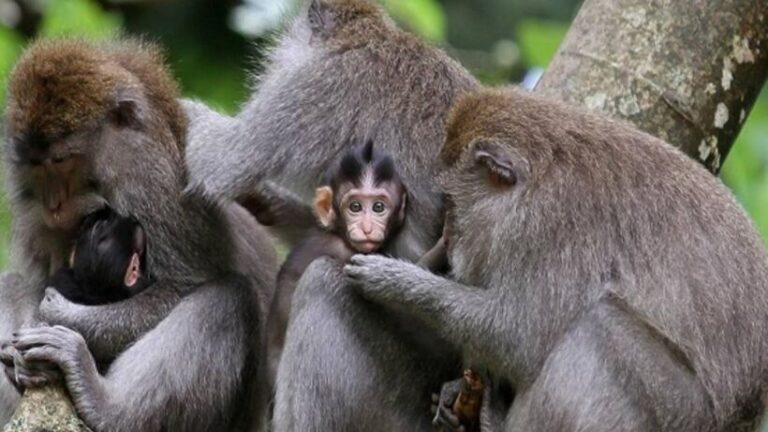
- Ubud Monkey Forest: A sacred forest sanctuary home to hundreds of long-tailed macaques
- Ubud Art Market: A vibrant market offering traditional Balinese crafts and artworks
For those visiting the Tabanan Butterfly Park, nearby attractions include:
- Tanah Lot Temple: Bali’s iconic sea temple perched on a rock formation in the ocean
- Jatiluwih Rice Terraces: A UNESCO World Heritage site showcasing traditional Balinese rice farming
- Batukaru Temple: A mountain temple surrounded by pristine rainforest
- Bali Botanic Garden: Indonesia’s largest botanic garden with extensive plant collections
- Ulun Danu Beratan Temple: A picturesque temple complex on the shores of Lake Beratan
Many tour operators offer packages that combine visits to the butterfly parks with these other attractions, providing convenient transportation and often including lunch at a local restaurant.
Is Bali Butterfly Park Worth Visiting?
After considering all aspects of Bali’s butterfly parks, we can confidently say that they offer a unique and worthwhile experience for many types of travelers. While they may not be as well-known as some of Bali’s larger attractions, these parks provide an intimate, educational, and visually stunning experience that appeals to a wide range of visitors.
For nature enthusiasts, the opportunity to observe hundreds of tropical butterfly species in a carefully maintained habitat is unparalleled. The parks’ commitment to conservation adds depth to the experience, allowing visitors to not only enjoy the beauty of the butterflies but also understand the importance of protecting them and their habitats.
For families with children, the butterfly parks offer an engaging educational experience that’s both fun and informative. The interactive nature of the exhibits and the opportunity to see butterflies up close makes learning about biology and conservation exciting for young visitors.
For photographers, Bali Butterfly Park provides exceptional opportunities to capture stunning images of colorful butterflies in beautiful settings. The controlled environment and the parks’ photography-friendly policies make it easier to get that perfect shot than in the wild.
For travelers seeking a peaceful respite from Bali’s more crowded attractions, the butterfly parks offer a tranquil environment where you can slow down and appreciate the simple beauty of nature. The lush gardens and gentle fluttering of wings create a meditative atmosphere that’s perfect for relaxation and reflection.
According to visitor satisfaction surveys by the Bali Tourism Board (2023), over 85% of visitors report that the butterfly parks exceeded their expectations, with particular praise for the educational value, peaceful atmosphere, and photographic opportunities.
Practical Tips for Your Visit
To ensure you have the best possible experience at Bali Butterfly Park, keep these practical tips in mind:
- Wear bright colors: Butterflies are attracted to bright floral colors, increasing your chances of them landing on you
- Move slowly and calmly: Sudden movements can startle the butterflies
- Avoid using perfume or strong-scented products: These can interfere with the butterflies’ ability to locate flowers
- Bring a camera with a good zoom or macro lens: You’ll want to capture the intricate details of the butterflies
- Allow sufficient time: Plan to spend at least 1-2 hours at each park to fully appreciate the experience
- Check the weather: Butterflies are less active during rainy weather, so plan your visit for a clear day if possible
- Respect the guidelines: Follow all posted rules regarding interaction with the butterflies to ensure their wellbeing
Both parks have gift shops where you can purchase butterfly-themed souvenirs, educational materials, and locally made crafts. These purchases help support the parks’ conservation efforts and provide income for local artisans.
Are you ready?
Ready to immerse yourself in the enchanting world of tropical butterflies? Plan your visit to Bali Butterfly Park today and discover the magic of these incredible creatures. Whether you choose to visit the Kemenuh location near Ubud, the Tabanan park in western Bali, or both, you’re sure to create memories that will last a lifetime. Book your tickets now and prepare for a colorful adventure into the fascinating world of butterflies!
Summary
- Bali Butterfly Park consists of two main locations: Kemenuh near Ubud and Tabanan in western Bali.
- Both parks house hundreds of tropical butterfly species including the iconic Birdwing and Swallowtail.
- The parks function as conservation centers, breeding butterflies and supporting local biodiversity.
- Visitors can walk through enclosed gardens with butterflies freely flying around, offering excellent photo opportunities.
- Standard admission costs approximately 100,000 IDR per person, with both parks open daily from 8:30 AM to 5:00 PM.