Tangkahan Elephant Sanctuary: Ethical Jungle Adventure
Discover the hidden gem of Tangkahan Elephant Sanctuary, where ethical wildlife encounters meet pristine jungle beauty. Our complete guide will help you plan an unforgettable Sumatran adventure.
- Tangkahan Elephant Sanctuary
- Discovering Tangkahan Elephant Sanctuary
- The Ethical Elephant Experience at Tangkahan
- Journey to Tangkahan: Getting There
- Planning Your Visit to Tangkahan Elephant Sanctuary
- Beyond the Elephants: Exploring Tangkahan’s Natural Wonders
- The Conservation Impact of Tangkahan Elephant Sanctuary
- Ethical Considerations and Responsible Tourism
- The Tangkahan Community: Conservation in Action
- Practical Information for Visitors
- Making a Difference: How Your Visit Supports Conservation
- Extending Your Sumatran Adventure
- A Call to Responsible Wildlife Tourism
- Are you ready?
- Summary
Tangkahan Elephant Sanctuary
Tangkahan Elephant Sanctuary is a hidden gem nestled in the pristine jungles of North Sumatra, Indonesia. This remarkable conservation facility offers visitors the rare opportunity to interact with critically endangered Sumatran elephants in an ethical and sustainable environment. Unlike many tourist attractions that exploit animals for entertainment, Tangkahan prioritizes elephant welfare and community development, creating a model for responsible ecotourism that benefits both wildlife and local people.
Discovering Tangkahan Elephant Sanctuary
Located deep within the Gunung Leuser National Park, Tangkahan Elephant Sanctuary represents a beacon of hope for Sumatran elephant conservation. The sanctuary is home to several elephants that have been rescued from human-wildlife conflict situations, providing them with a safe haven where they can live out their lives with dignity and proper care. According to Dr. Ian Singleton, Director of the Sumatran Orangutan Conservation Programme (2021), “Tangkahan demonstrates how community-led conservation initiatives can create sustainable solutions for protecting Indonesia’s incredible biodiversity while improving local livelihoods.”
The sanctuary operates on a simple yet powerful principle: that conservation and community development must go hand in hand. Unlike many other elephant facilities in Southeast Asia, Tangkahan is managed entirely by local residents who have received specialized training in elephant care and sustainable tourism practices. This community-based approach ensures that tourism revenue directly benefits those who live alongside these magnificent creatures, creating a powerful incentive for continued conservation efforts.
The Ethical Elephant Experience at Tangkahan
What sets Tangkahan Elephant Sanctuary apart from other elephant attractions is its unwavering commitment to ethical practices. The sanctuary strictly prohibits riding, performances, or any activities that could cause stress or harm to the elephants. Instead, visitors can participate in carefully supervised interactions that prioritize the animals’ natural behaviors and well-being.
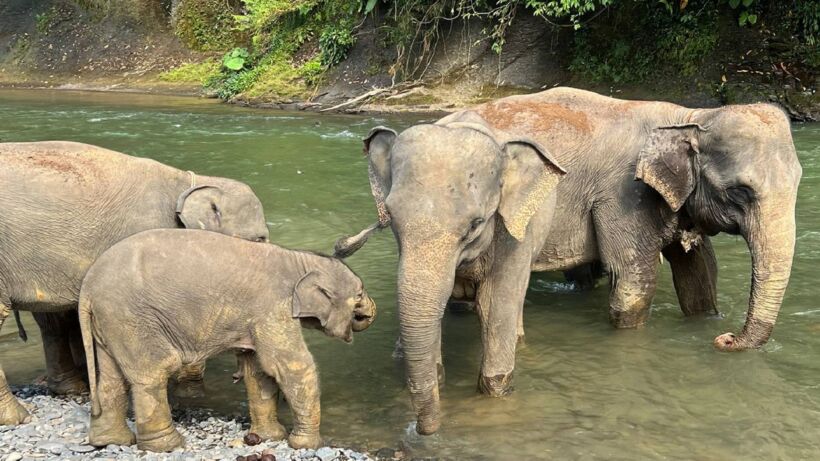
The highlight of any visit to Tangkahan is the opportunity to join the elephants for their daily bathing ritual in the crystal-clear river. This experience allows visitors to observe the elephants in their natural element while helping with their care under the close supervision of experienced mahouts (elephant caretakers). According to a 2022 study by the Asian Captive Elephant Working Group, “The bathing program at Tangkahan represents best practice in ethical elephant tourism, providing enrichment for the elephants while supporting conservation education.”
When participating in the elephant bathing experience, visitors should follow these guidelines:
- Always listen to the mahouts’ instructions
- Approach the elephants calmly and quietly
- Touch only the designated areas (usually the back and sides)
- Avoid splashing water on the elephants’ heads or faces
- Maintain a respectful distance and never stand directly behind an elephant
- Use the provided brushes gently when helping to scrub the elephants
Beyond the bathing experience, visitors can observe the elephants as they move through the jungle to and from the river, witness feeding sessions, and learn about the individual stories of each elephant resident. These educational components help visitors understand the complex challenges facing Sumatran elephants and the importance of conservation efforts.
Journey to Tangkahan: Getting There
Reaching Tangkahan Elephant Sanctuary is an adventure in itself, adding to the sense of discovery and remoteness that makes this destination so special. The sanctuary is located in North Sumatra, approximately 3-4 hours from Medan, the provincial capital and main entry point for most visitors.
The journey typically involves:
- Flying into Kuala Namu International Airport (KNO) in Medan
- Taking a private car or public bus to the town of Bukit Lawang (approximately 3 hours)
- Continuing from Bukit Lawang to Tangkahan via local transport (approximately 1-2 hours)
The final leg of the journey from Bukit Lawang to Tangkahan is particularly scenic, winding through lush jungle landscapes and traditional villages. Many visitors choose to break up the journey with an overnight stay in Bukit Lawang, which is also known for its orangutan rehabilitation center.
For those seeking a more direct route, private transportation can be arranged from Medan directly to Tangkahan, though this option is more expensive. Regardless of how you choose to travel, the journey to Tangkahan is part of the experience, offering glimpses of rural Sumatran life and stunning natural beauty.
Planning Your Visit to Tangkahan Elephant Sanctuary
When planning your trip to Tangkahan Elephant Sanctuary, timing and preparation are key to ensuring the best possible experience. The sanctuary is open year-round, but the dry season from May to September generally offers more favorable conditions for travel and outdoor activities.
To make the most of your visit, consider these practical tips:
- Book in advance: While walk-in visitors are sometimes accommodated, booking ahead ensures availability
- Allocate sufficient time: Most visitors spend at least one full day at the sanctuary
- Pack appropriately: Lightweight, quick-dry clothing, sturdy water shoes, insect repellent, and sun protection are essential
- Bring cash: There are no ATMs in Tangkahan, and most establishments only accept cash
- Respect local customs: Tangkahan is a conservative Muslim community, so modest dress is appreciated
- Consider staying overnight: Basic accommodation is available near the sanctuary for those who want to extend their experience
The cost of visiting Tangkahan Elephant Sanctuary varies depending on the activities you choose and the length of your stay. As of 2023, the elephant bathing experience typically costs around 150,000 IDR (approximately $10 USD) per person, with additional fees for jungle trekking and other activities. Accommodation in the area ranges from very basic guesthouses to slightly more comfortable eco-lodges, with prices generally between 200,000-600,000 IDR (approximately $13-40 USD) per night.
Beyond the Elephants: Exploring Tangkahan’s Natural Wonders
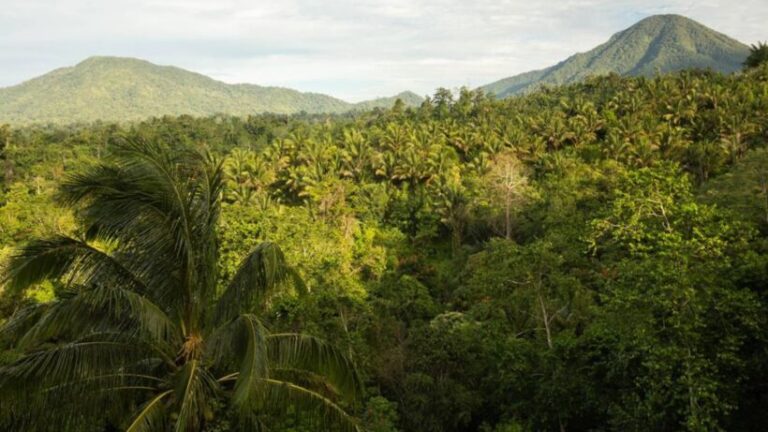
While the elephants are undoubtedly the main attraction, Tangkahan offers much more for nature enthusiasts and adventure seekers. The area is part of the larger Gunung Leuser National Park, a UNESCO World Heritage Site known for its incredible biodiversity and pristine rainforest ecosystems.
Popular activities in and around Tangkahan include:
- Jungle trekking: Guided walks through the rainforest offer opportunities to spot wildlife such as orangutans, gibbons, hornbills, and countless other species
- River tubing: Float down the crystal-clear rivers on inner tubes, enjoying the jungle scenery from a different perspective
- Waterfall visits: Several beautiful waterfalls are accessible via short hikes from the main village
- Hot springs: Natural hot springs provide a relaxing soak after a day of activities
- Cultural experiences: Visit local villages to learn about traditional customs and way of life
According to a 2020 biodiversity survey conducted by Gunung Leuser National Park authorities, the Tangkahan area is home to over 280 bird species, 85 mammal species, and countless reptiles, amphibians, and insects. This incredible richness of wildlife makes Tangkahan a paradise for nature lovers and photographers.
The Conservation Impact of Tangkahan Elephant Sanctuary
Tangkahan Elephant Sanctuary represents far more than just a tourist attraction—it’s a vital conservation initiative with tangible impacts on both wildlife protection and community development. The sanctuary operates as part of the Conservation Response Unit (CRU) program, which aims to address human-elephant conflict while providing alternative livelihoods for local communities.
According to Dr. Wendy Elliott, Regional Wildlife Lead for WWF Asia Pacific (2022), “Community-based conservation initiatives like Tangkahan are essential for the long-term survival of Sumatran elephants. By creating economic incentives for conservation, they help transform former poachers and loggers into dedicated wildlife protectors.”
The impact of Tangkahan Elephant Sanctuary extends beyond its immediate boundaries. The success of this community-based model has inspired similar initiatives across Sumatra and beyond, demonstrating that ethical wildlife tourism can be a powerful tool for conservation. Key achievements include:
- Reduced human-elephant conflict in the surrounding area
- Increased protection of critical elephant habitat
- Sustainable economic development for local communities
- Enhanced awareness about conservation among visitors and locals alike
- Improved welfare for the elephants under the sanctuary’s care
Ethical Considerations and Responsible Tourism
As awareness of animal welfare issues grows, more travelers are seeking ethical wildlife experiences that don’t exploit animals for entertainment. Tangkahan Elephant Sanctuary has established itself as a leader in this movement, implementing strict policies to ensure the well-being of its resident elephants.
When evaluating elephant tourism experiences, consider these ethical guidelines that Tangkahan follows:
- No riding: Elephants are never ridden, as this can cause long-term physical damage
- Free contact: Elephants are not restrained or chained for extended periods
- Natural behaviors: The sanctuary encourages and showcases natural elephant behaviors
- Positive reinforcement: All training uses positive reinforcement methods
- Health monitoring: Regular veterinary care ensures optimal health for all elephants
- Limited interactions: The number and duration of visitor interactions are carefully controlled
By choosing to visit Tangkahan Elephant Sanctuary, travelers can be confident that their tourism dollars support genuinely ethical wildlife experiences. This stands in stark contrast to many other elephant attractions in Southeast Asia that continue to offer riding and performances despite growing evidence of the harm these practices cause.
The Tangkahan Community: Conservation in Action
Perhaps the most inspiring aspect of Tangkahan Elephant Sanctuary is the story of the local community’s transformation. In the early 2000s, the area around Tangkahan was threatened by illegal logging and poaching, with local communities struggling to find sustainable livelihoods. Recognizing the need for change, a group of former loggers and poachers came together to establish the sanctuary as an alternative source of income.
Today, these same individuals are among the most passionate conservation advocates in the region. The community manages all aspects of the sanctuary, from elephant care to tourism operations, ensuring that the benefits of tourism are distributed equitably among local residents.
According to Budi, a former logger who now serves as a senior mahout at Tangkahan (personal interview, 2023), “We used to see the forest and the elephants as resources to exploit. Now we understand that protecting them is not only the right thing to do but also provides better opportunities for our children and future generations.”
This community-led approach to conservation has been remarkably successful, providing a model that could be replicated in other parts of Indonesia and beyond. By giving local communities a direct stake in conservation, Tangkahan has created a sustainable solution that benefits both people and wildlife.
Practical Information for Visitors
To ensure a smooth and enjoyable visit to Tangkahan Elephant Sanctuary, here’s some practical information to help with your planning:
The best time to visit is during the dry season from May to September, though the sanctuary is open year-round. The elephant bathing experiences typically take place twice daily, around 10:00 AM and 3:00 PM, though exact times may vary depending on weather conditions and the elephants’ needs.
Accommodation options in Tangkahan are basic but comfortable, with several guesthouses and eco-lodges located near the sanctuary. Most offer simple rooms with fan or air conditioning, private bathrooms, and included meals. Electricity is typically available only in the evenings, and WiFi is limited or nonexistent in most places.
What to bring for your Tangkahan adventure:
- Lightweight, quick-dry clothing
- Sturdy water shoes or sandals with straps
- Insect repellent
- Sun protection (hat, sunglasses, sunscreen)
- Flashlight or headlamp
- Reusable water bottle
- Cash (Indonesian Rupiah)
- Camera (in a waterproof bag)
- Basic first-aid supplies
It’s important to note that Tangkahan is a remote area with limited medical facilities. Visitors should ensure they have adequate travel insurance that covers medical evacuation, and those with pre-existing medical conditions should consult their doctor before traveling.
Making a Difference: How Your Visit Supports Conservation
When you visit Tangkahan Elephant Sanctuary, you’re not just enjoying a unique wildlife experience—you’re directly contributing to vital conservation efforts. The sanctuary operates on a sustainable model where tourism revenue funds its conservation and community development programs.
According to a 2021 impact assessment by the Indonesian Ministry of Environment and Forestry, Tangkahan’s community-based conservation model has reduced illegal logging in the area by over 90% since its establishment. This remarkable achievement demonstrates the power of sustainable tourism as a conservation tool.
Your visit supports:
- The daily care of the resident elephants
- Protection of critical elephant habitat
- Sustainable livelihoods for local communities
- Conservation education programs
- Anti-poaching patrols in the national park
By choosing to visit Tangkahan Elephant Sanctuary, you’re sending a clear message to the tourism industry that ethical wildlife experiences matter. This consumer pressure helps drive positive change across the industry, encouraging more facilities to adopt practices that prioritize animal welfare and conservation.
Extending Your Sumatran Adventure
While Tangkahan Elephant Sanctuary is certainly a highlight of any trip to Sumatra, the island offers numerous other attractions and experiences that complement your wildlife adventure. The sanctuary’s location in North Sumatra makes it an excellent base for exploring the region’s natural and cultural wonders.
Nearby attractions worth considering include:
- Bukit Lawang: Famous for its orangutan rehabilitation center and jungle trekking opportunities
- Lake Toba: Southeast Asia’s largest lake, formed in the crater of a supervolcano
- Berastagi: A cool mountain resort town known for its fruit markets and volcanic landscapes
- Pulau Weh: A stunning island paradise off the northern tip of Sumatra, perfect for diving and snorkeling
- Medan: The bustling capital of North Sumatra, with colonial architecture and vibrant markets
Many visitors choose to spend 7-10 days exploring North Sumatra, combining their visit to Tangkahan with these other attractions. This allows for a more relaxed pace and a deeper appreciation of Sumatra’s diverse offerings.
A Call to Responsible Wildlife Tourism
As travelers, we have the power to shape the tourism industry through our choices and actions. By supporting ethical wildlife experiences like Tangkahan Elephant Sanctuary, we send a clear message that animal welfare and conservation matter. This consumer pressure helps drive positive change across the industry, encouraging more facilities to adopt ethical practices.
When planning your travels, always research wildlife attractions carefully, look for reviews from reputable sources, and don’t hesitate to ask questions about animal welfare practices. Remember that ethical wildlife experiences may not always offer the same level of hands-on interaction as less ethical alternatives, but they provide something far more valuable: the knowledge that your tourism dollars are supporting conservation and animal welfare rather than exploitation.
Are you ready?
Ready to experience the magic of ethical elephant encounters in Sumatra? Plan your visit to Tangkahan Elephant Sanctuary today and discover how tourism can be a force for good in wildlife conservation. Your visit will create memories that last a lifetime while contributing to a brighter future for Sumatran elephants and the communities that protect them. The elephants and their human caretakers are waiting to welcome you to their jungle paradise!
Summary
- Tangkahan Elephant Sanctuary is located in North Sumatra, within Gunung Leuser National Park.
- The sanctuary offers ethical elephant interactions including supervised bathing in the river.
- Community-based ecotourism initiative managed and operated by local residents.
- Home to critically endangered Sumatran elephants rescued from human-wildlife conflict.
- All tourism proceeds support conservation and sustainable community development.