Santa Ana Volcano: Epic El Salvador Adventure
Discover the majestic Santa Ana Volcano, El Salvador’s highest peak and most captivating natural wonder. Our guide reveals everything you need to know for an unforgettable hiking adventure.
- Santa Ana Volcano
- Discovering Santa Ana Volcano
- Planning Your Santa Ana Volcano Adventure
- The Hiking Experience at Santa Ana Volcano
- Safety Considerations for Santa Ana Volcano
- What to Expect at the Summit
- Combining Santa Ana with Other Attractions
- Practical Information for Visitors
- Cultural Significance of Santa Ana Volcano
- Environmental Conservation Efforts
- Is Santa Ana Volcano Right for You?
- Are you ready?
- Summary
Santa Ana Volcano
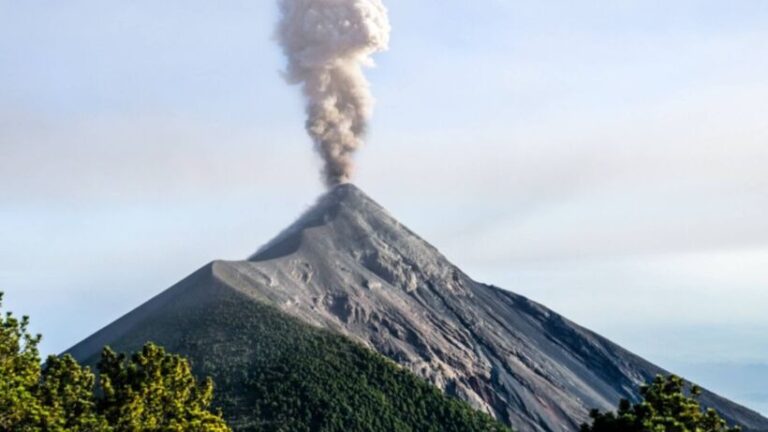
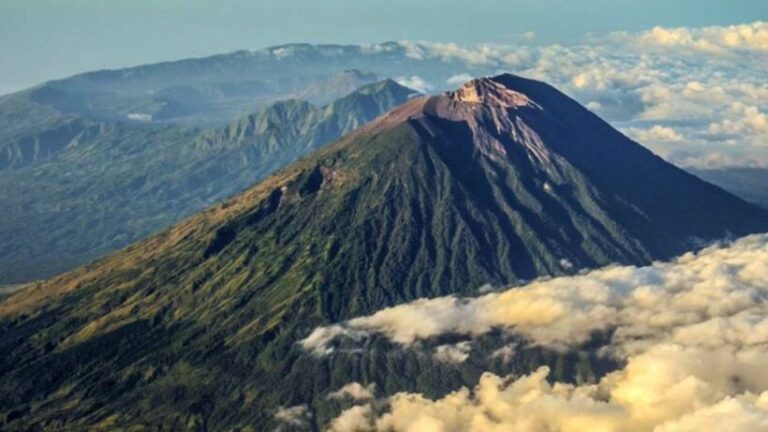
Santa Ana Volcano stands as El Salvador’s most majestic natural wonder, drawing adventurous travelers from around the world to witness its breathtaking crater and panoramic views. Known locally as Ilamatepec, this towering stratovolcano reaches an impressive 2,381 meters above sea level, making it the highest peak in the country. The combination of its geological significance, stunning natural beauty, and accessibility makes it a must-visit destination for anyone exploring Central America’s diverse landscapes.
Discovering Santa Ana Volcano
Located in the Cerro Verde National Park, approximately 65 kilometers west of San Salvador, Santa Ana Volcano offers visitors an unforgettable hiking experience. According to Dr. Carlos López, volcanologist at the University of El Salvador (2021), “Santa Ana is one of the most active volcanoes in the country, with over 20 eruptions recorded since the Spanish colonization. Its most recent significant eruption in 2005 created the spectacular turquoise crater lake that visitors see today.”
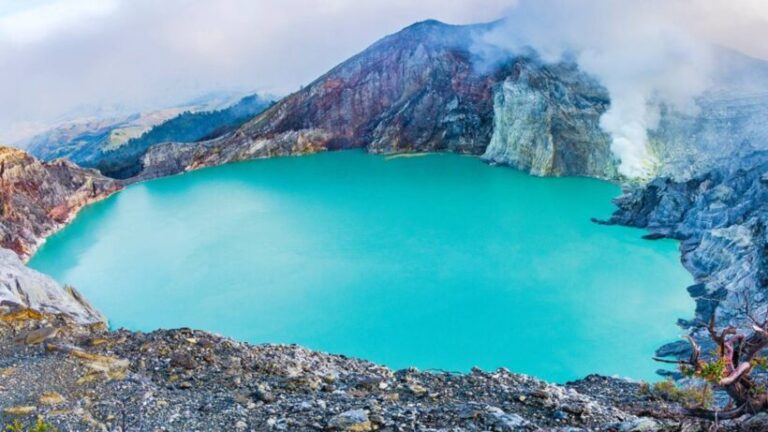
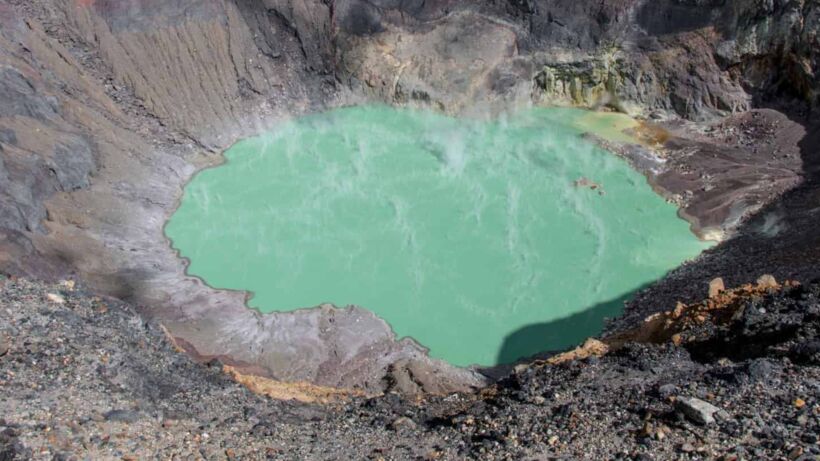
The volcano’s geological features are truly remarkable. The main crater measures approximately 1.5 kilometers in diameter and reaches depths of up to 500 meters. The stunning turquoise lake that now fills part of the crater creates a striking contrast against the surrounding black and reddish volcanic rock, making it one of the most photographed natural landmarks in El Salvador.
When planning your visit to Santa Ana Volcano, there are several key aspects to consider:
- Physical requirements: The hike is moderately challenging with steep sections, requiring a reasonable level of fitness
- Time commitment: Plan for 4-5 hours for the complete round trip, including time at the summit
- Guided tours: Hiring a certified guide is mandatory for safety reasons
- Weather considerations: Conditions can change rapidly, so checking the forecast is essential
- Volcanic activity: The volcano is continuously monitored, with access restricted during increased activity
Planning Your Santa Ana Volcano Adventure
Proper planning is crucial for a safe and enjoyable visit to Santa Ana Volcano. The best time to visit is during the dry season from November to April when trails are less slippery and visibility is typically better. According to the El Salvador Tourism Board (2022), approximately 25,000 international visitors hike Santa Ana Volcano annually, with peak visitation occurring between December and March.
To reach the starting point of the hike, most travelers base themselves in the nearby town of Santa Ana or Cerro Verde. From there, you can arrange transportation to the park entrance where the hike begins. Many visitors opt to join organized tours that include transportation, guide services, and sometimes additional stops at nearby attractions.
Essential preparations for hiking Santa Ana Volcano include:
- Booking a certified guide in advance (required for all visitors)
- Checking the current volcanic activity status with local authorities
- Wearing appropriate hiking boots with good traction
- Bringing layers of clothing as temperatures can vary significantly
- Packing sufficient water (at least 2 liters per person)
- Carrying sun protection, hat, and sunglasses
- Bringing snacks to maintain energy levels during the hike
- Having a basic first-aid kit and any personal medications
The Hiking Experience at Santa Ana Volcano
The hike up Santa Ana Volcano begins at the park entrance, where you’ll meet your certified guide and register for the trek. The trail winds through diverse landscapes, starting with lush cloud forest vegetation that gradually transitions to more sparse vegetation as you ascend.
The hike can be divided into three main sections:
- Lower Section (0-1,500m): This portion features a well-maintained trail through dense forest, with moderate inclines and abundant birdlife. The path is relatively gentle, allowing hikers to warm up before the more challenging sections ahead.
- Middle Section (1,500-2,000m): As you ascend, the vegetation becomes sparser and the trail steeper. This section offers increasingly impressive views of the surrounding landscape, including nearby Izalco Volcano and Lake Coatepeque in the distance.
- Upper Section (2,000m-summit): The final and most challenging part of the hike features steep, rocky terrain with loose volcanic material. This section requires careful footing and occasional use of hands for balance, but the reward at the summit makes every step worthwhile.
According to experienced mountain guide Maria Rodriguez (2023), “The final ascent to the crater rim is the most demanding part of the hike, but also the most rewarding. When our clients first see the turquoise crater lake, their expressions of awe make all the effort worthwhile.”
Safety Considerations for Santa Ana Volcano
While Santa Ana Volcano is generally accessible to hikers with reasonable fitness, several safety considerations must be kept in mind. The volcano is continuously monitored by the Salvadoran Ministry of Environment and Natural Resources, with a four-level alert system in place:
- Green: Normal activity, hiking permitted with certified guides
- Yellow: Increased activity, hiking permitted with additional precautions
- Orange: High activity, hiking restricted to certain areas
- Red: Very high activity or eruption imminent, volcano closed to all visitors
Before your hike, always check the current alert level and follow any restrictions or recommendations from local authorities. Additional safety considerations include:
- Weather conditions: Avoid hiking during heavy rain or thunderstorms
- Physical preparation: Ensure you’re in adequate physical condition for the hike
- Acclimatization: If coming from sea level, allow time to adjust to the altitude
- Hydration and nutrition: Maintain proper hydration and energy levels throughout the hike
- Group cohesion: Stay with your guide and group at all times
- Emergency preparedness: Know basic emergency procedures and carry communication devices
Dr. Elena Martinez, emergency medicine specialist at San Salvador Hospital (2022), advises that “The most common issues we see with Santa Ana hikers are dehydration, altitude-related symptoms, and minor injuries from falls. Proper preparation, including physical conditioning and adequate hydration, can prevent most of these problems.”
What to Expect at the Summit
Reaching the summit of Santa Ana Volcano is an experience that stays with visitors long after they’ve returned home. The main crater, with its stunning turquoise lake, creates an almost otherworldly landscape that seems to belong to another planet. The vibrant color of the water results from mineral deposits and the presence of certain algae, creating a striking contrast against the surrounding black volcanic rock.
At the summit, you can expect:
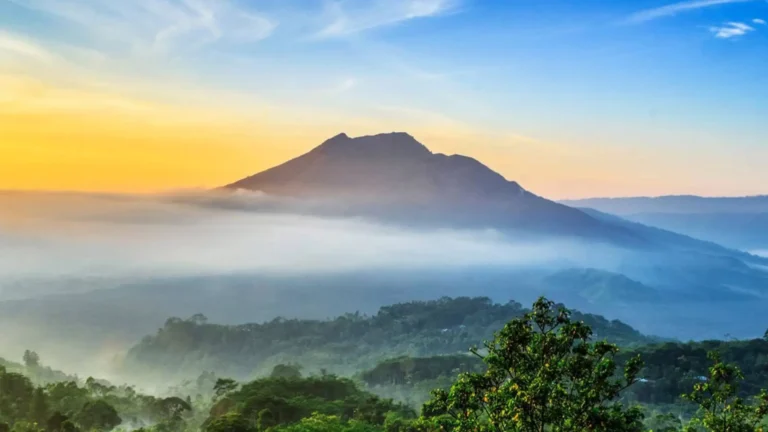
- Panoramic views: On clear days, you can see the Pacific Ocean, Lake Coatepeque, Izalco Volcano, and even neighboring Guatemala
- The crater lake: The mesmerizing turquoise water creates incredible photo opportunities
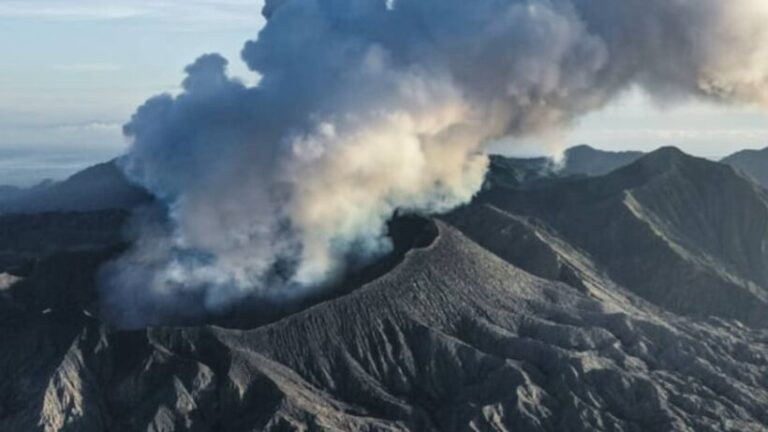
- Volcanic activity: You may observe steam vents and smell sulfur gases, reminding you of the volcano’s active nature
- Changing weather: Conditions can shift rapidly, with winds and temperatures varying significantly
- Limited time at the summit: Most guides allow 30-45 minutes at the top before beginning the descent
Photography enthusiasts will find endless opportunities at the summit. The combination of the colorful crater lake, dramatic volcanic landscape, and expansive views creates truly memorable images. However, be mindful of protecting your equipment from volcanic dust and changing weather conditions.
Combining Santa Ana with Other Attractions
Santa Ana Volcano is part of a broader region rich in natural and cultural attractions. Many visitors choose to combine their volcano hike with other nearby destinations to create a more comprehensive El Salvador experience. Popular combinations include:
Cerro Verde National Park:
- Located near the starting point for Santa Ana hikes
- Features cloud forest trails with diverse flora and fauna
- Offers viewpoints of both Santa Ana and Izalco volcanoes
- Contains picnic areas and visitor facilities
Lake Coatepeque:
- Stunning crater lake approximately 30 minutes from Santa Ana
- Opportunities for swimming, boating, and lakeside dining
- Accommodation options ranging from budget to luxury
- Water sports and recreational activities
Izalco Volcano:
- Known as “El Salvador’s Lighthouse of the Pacific” due to its frequent historical eruptions
- More challenging hike requiring special permits
- Younger volcano with different geological features than Santa Ana
- Part of the same national park system
According to the El Salvador Ministry of Tourism (2023), visitors who combine Santa Ana Volcano with at least one other regional attraction report 35% higher satisfaction with their overall experience, citing the diversity of landscapes and activities as a key factor.
Practical Information for Visitors
To ensure a smooth visit to Santa Ana Volcano, here’s essential practical information:
Getting There:
- From San Salvador: Take a bus to Santa Ana city (approximately 1.5 hours), then local transport to Cerro Verde
- Organized tours: Most tour operators in San Salvador offer day trips to Santa Ana Volcano
- Private transportation: Hiring a private driver or rental car offers more flexibility
- Shuttle services: Some hotels and hostels offer dedicated shuttle services to the volcano
Entrance Fees and Costs:
- National park entrance fee: Approximately $3 USD for foreigners
- Guide fees: Mandatory, typically $10-15 USD per person for a group
- Equipment rental: Hiking boots and walking sticks available for rent if needed
- Transportation costs: Vary depending on your chosen method of travel
Accommodation Options:
- Santa Ana city: Range of budget to mid-range hotels
- Cerro Verde area: Limited options, primarily eco-lodges and guesthouses
- Lake Coatepeque: Higher-end resorts with lake views
- San Salvador: Day trips possible from the capital (approximately 2 hours each way)
What to Bring:
- Comfortable hiking boots with good traction
- Lightweight, breathable clothing in layers
- Waterproof jacket (weather can change quickly)
- Sun protection (hat, sunglasses, sunscreen)
- At least 2 liters of water per person
- Energy snacks or light lunch
- Camera with extra batteries (cold drains battery life)
- Small backpack to carry your belongings
- Cash in small denominations (few ATMs in the area)
Cultural Significance of Santa Ana Volcano
Beyond its natural beauty, Santa Ana Volcano holds significant cultural importance for the people of El Salvador. The volcano has played a central role in the region’s history, mythology, and identity for centuries.
In pre-Columbian times, the Pipil people who inhabited the region considered the volcano sacred, believing it to be the dwelling place of powerful spirits. According to local anthropologist Dr. Roberto Menjívar (2021), “The volcano was central to Pipil cosmology, with rituals and ceremonies performed to appease the mountain spirits and ensure fertility and protection.”
The volcano’s influence extends to more recent history as well. The 2005 eruption, while causing significant damage to nearby coffee plantations and forcing temporary evacuations, also demonstrated the resilience of local communities. The recovery efforts that followed strengthened community bonds and highlighted the importance of disaster preparedness in the region.
Today, Santa Ana Volcano serves as a symbol of national pride and natural heritage for El Salvador. It appears on postage stamps, tourism promotional materials, and in the country’s cultural narratives. The volcano also plays a role in education, with schools often organizing field trips to teach students about geology, ecology, and environmental conservation.
Environmental Conservation Efforts
As one of El Salvador’s most prominent natural landmarks, Santa Ana Volcano is the focus of significant conservation efforts aimed at preserving its unique ecosystems and geological features. The volcano and surrounding areas are protected as part of the Cerro Verde National Park, which encompasses approximately 2,500 hectares of diverse habitats.
Key conservation initiatives include:
- Reforestation projects: Native tree species are being replanted in areas affected by past eruptions and human activity
- Erosion control: Measures to prevent soil erosion on the volcano’s slopes help maintain trail safety and protect water quality
- Wildlife monitoring: Ongoing studies track the health of wildlife populations in the park
- Sustainable tourism practices: Guidelines and regulations help minimize the environmental impact of tourism
- Community engagement: Local residents are involved in conservation efforts and benefit from sustainable tourism development
According to a 2022 environmental impact assessment by the Salvadoran Ministry of Environment, “Tourism at Santa Ana Volcano, when properly managed, provides both economic benefits to local communities and funding for conservation initiatives. The challenge lies in balancing visitor access with environmental protection.”
Is Santa Ana Volcano Right for You?
Santa Ana Volcano offers an incredible experience for many types of travelers, but it may not be suitable for everyone. Consider whether this destination aligns with your interests, abilities, and expectations:
Santa Ana Volcano might be perfect for you if you:
- Enjoy outdoor adventures and hiking experiences
- Have a reasonable level of physical fitness
- Are interested in geology and natural phenomena
- Appreciate breathtaking landscapes and photo opportunities
- Seek experiences off the typical tourist trail
- Are comfortable with early morning starts and variable weather conditions
You might want to reconsider or modify your plans if you:
- Have serious respiratory or cardiovascular conditions
- Have mobility issues that make hiking on steep terrain difficult
- Are uncomfortable with heights or exposed mountain environments
- Dislike crowds during peak tourist seasons
- Have very young children who might struggle with the hike
- Prefer highly developed tourist facilities and amenities
For those who decide that Santa Ana Volcano is the right destination, the rewards are substantial. The combination of natural beauty, physical achievement, and cultural significance creates an experience that remains vivid in memory long after returning home.
Are you ready?
Ready to experience one of Central America’s most spectacular natural wonders? Start planning your Santa Ana Volcano adventure today by researching certified guides, checking current volcanic activity levels, and preparing for an unforgettable journey to the summit of El Salvador’s majestic peak. The turquoise crater lake and panoramic views await!
Summary
- Santa Ana Volcano, also known as Ilamatepec, is El Salvador’s highest peak at 2,381 meters above sea level.
- The volcano features a stunning turquoise crater lake that formed after its 2005 eruption.
- Hiking Santa Ana requires a certified guide and typically takes 4-5 hours round trip.
- The best time to visit is during the dry season from November to April.
- Safety precautions include checking volcanic activity levels and wearing appropriate hiking gear.