Mount Dukono: Epic Active Volcano Adventure
Discover the raw power of Mount Dukono, one of Indonesia’s most active and remote volcanoes. Our guide reveals everything you need to know for this challenging volcanic adventure.
- Mount Dukono
- Understanding Mount Dukono Volcano
- Planning Your Mount Dukono Expedition
- Getting to Mount Dukono
- The Mount Dukono Hiking Experience
- Safety Considerations for Mount Dukono
- What to Expect During Your Visit
- Cultural Significance of Mount Dukono
- Practical Information for Visitors
- Environmental Conservation at Mount Dukono
- Is Mount Dukono Right for You?
- Are you ready?
- Summary
Mount Dukono
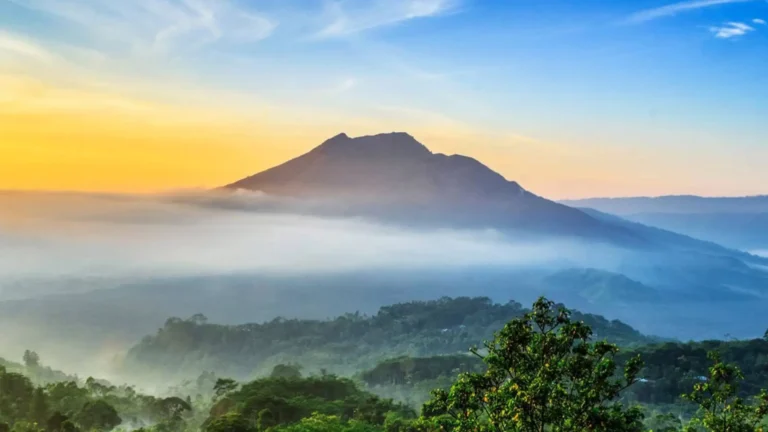
Mount Dukono stands as one of Indonesia’s most formidable and captivating volcanic destinations, offering adventurous travelers a chance to witness the raw power of nature in one of the country’s most remote regions. Located on Halmahera island in North Maluku province, this active stratovolcano has been in near-continuous eruption since 1933, making it one of the world’s most persistently active volcanoes. For those seeking an off-the-beaten-path adventure that combines geological wonder with cultural immersion, Mount Dukono delivers an experience that few other destinations can match.
Understanding Mount Dukono Volcano
Mount Dukono rises to an elevation of 1,335 meters above sea level, featuring a complex of multiple summit craters that regularly emit ash plumes and occasionally more explosive eruptions. According to Dr. Budi Santoso, volcanologist at the Indonesian Institute of Sciences (2021), “Dukono represents one of the most accessible yet consistently active volcanoes in Indonesia. Its persistent activity provides scientists with valuable insights into volcanic processes, while its remote location has preserved a unique ecosystem and traditional way of life.”
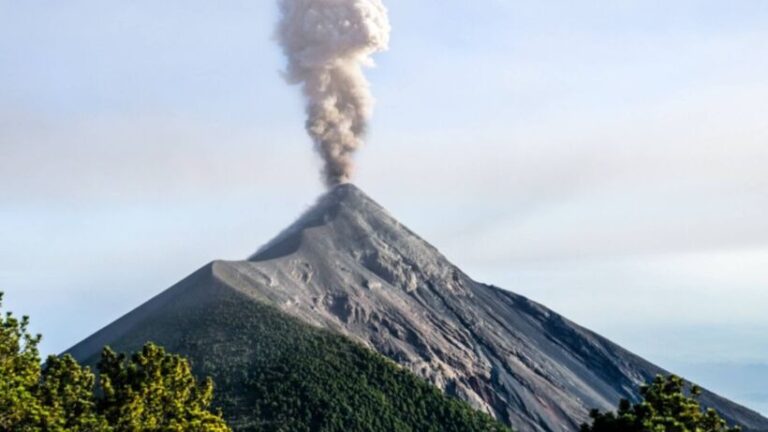
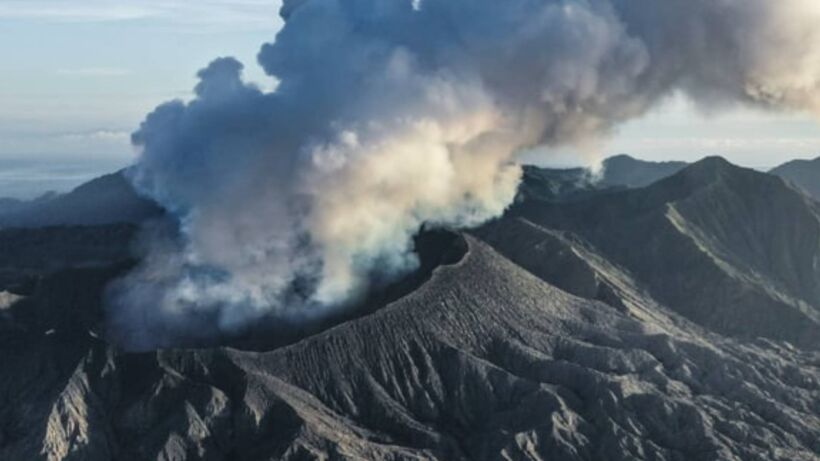
The volcano’s activity varies from day to day, ranging from gentle steam emissions to powerful ash plumes that can reach several kilometers into the sky. This constant activity creates a dynamic and ever-changing landscape that offers visitors a genuine sense of standing at the edge of one of Earth’s most powerful natural forces.
When planning your Mount Dukono adventure, it’s important to understand that this is not a typical tourist destination. The volcano’s remote location, challenging access, and variable activity levels require careful planning, physical preparation, and respect for the power of nature.
Planning Your Mount Dukono Expedition
Proper preparation is essential for a safe and successful visit to Mount Dukono. Unlike more accessible volcanoes in Indonesia, reaching Dukono requires a multi-step journey through some of the country’s most remote regions.
The best time to visit Mount Dukono is during the dry season from May to October when rainfall is minimal and hiking conditions are more favorable. According to the North Maluku Tourism Board (2022), approximately 1,000 international visitors make the journey to Mount Dukono annually, making it one of Indonesia’s less-visited but most rewarding volcanic destinations.
Essential preparations for your Mount Dukono adventure include:
- Checking current volcanic activity levels with local authorities
- Ensuring you have appropriate fitness for a challenging hike in remote conditions
- Hiring a certified local guide familiar with the volcano’s current conditions
- Arranging transportation to and from the volcano, which can be complex and time-consuming
- Preparing for basic accommodation and limited facilities in the remote area
- Packing appropriate gear for variable weather conditions and volcanic environments
- Purchasing comprehensive travel insurance that covers remote expeditions
Getting to Mount Dukono
Reaching Mount Dukono is an adventure in itself, requiring multiple steps of travel through Indonesia’s vast archipelago. The journey typically begins with a flight to either Ternate or Tobelo, the main gateways to Halmahera island.
From Ternate:
- Take a domestic flight to Tobelo (approximately 45 minutes)
- From Tobelo, hire a 4WD vehicle for the 3-4 hour drive to Mamuya village
- From Mamuya, continue by motorcycle or on foot to the starting point of the hike
From Tobelo:
- Hire a 4WD vehicle directly to Mamuya village (3-4 hours)
- Continue by motorcycle or on foot to the starting point of the hike
The journey to the volcano takes you through changing landscapes, from coastal areas to inland forests and finally to the volcanic slopes. Along the way, you’ll pass through traditional villages where you can observe the unique culture of the Halmahera people, who have developed a relationship of respect and adaptation to living near an active volcano.
According to local guide Ahmad Fauzi (2023), “The journey to Mount Dukono is part of the adventure. Many visitors find the travel through Halmahera’s landscapes and villages just as rewarding as the volcano itself. The remoteness is what makes Dukono special—it’s not a place you visit by accident.”
The Mount Dukono Hiking Experience
The hike up Mount Dukono typically begins from the village of Mamuya, where you’ll meet your local guide and make final preparations. The hike to the crater rim usually takes 2-3 hours, depending on your fitness level and current trail conditions.
The hiking experience can be divided into several sections:
- Lower slopes (0-600m): This initial section follows a relatively gentle path through secondary forest and agricultural land. The trail is well-defined but can be muddy during wet conditions.
- Middle section (600-900m): As you ascend, the vegetation becomes sparser and the terrain steeper. This section offers increasingly impressive views of the surrounding landscape and occasional glimpses of the volcano’s summit.
- Upper slopes and crater rim (900-1,335m): The final approach to the crater involves navigating steeper, more rugged terrain. The path may be covered in volcanic ash, making footing challenging. As you approach the summit, the smell of sulfur becomes noticeable, and the sound of the volcano’s activity grows louder.
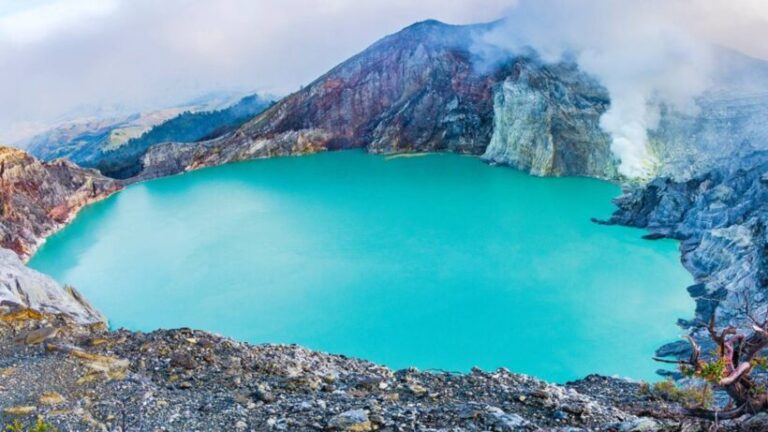
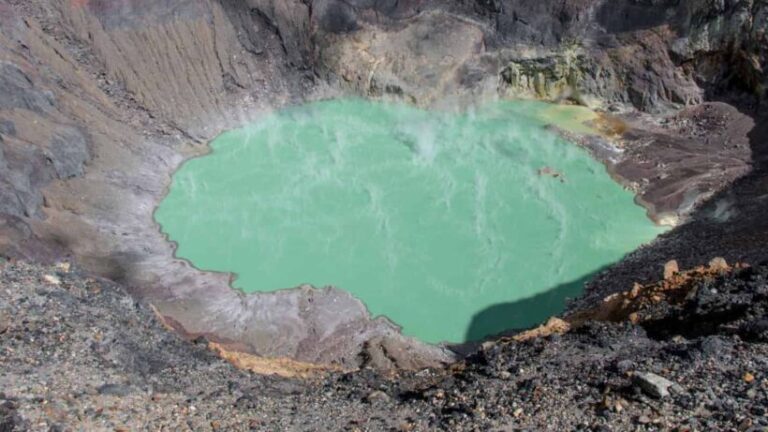
When you reach the crater rim, you’re rewarded with a spectacular view into the active crater. Depending on current activity levels, you may observe ash emissions, gas plumes, or even explosive eruptions. The experience of standing at the edge of such a powerful natural force is truly humbling.
Key aspects of the Mount Dukono hiking experience include:
- Duration: Allow 4-6 hours for the complete round trip, including time at the summit
- Difficulty: Moderate to challenging, depending on current conditions and your fitness level
- Best time to start: Early morning (6:00-7:00 AM) to avoid afternoon heat and potential cloud cover
- What to wear: Sturdy hiking boots, long pants, and layers for changing temperatures
- Safety considerations: Follow your guide’s instructions regarding safe viewing distances and exposure to volcanic gases
Safety Considerations for Mount Dukono
Safety is paramount when visiting an active volcano like Mount Dukono. The Indonesian Center for Volcanology and Geological Hazard Mitigation (CVGHM) monitors the volcano continuously and maintains a four-level alert system:
- Level I (Normal): Background volcanic activity
- Level II (Advisory): Increased activity with no immediate threat
- Level III (Watch): Intensifying activity with potential for eruption
- Level IV (Warning): Eruption imminent or in progress
Hiking is generally only recommended when the alert level is at I or II. Before your visit, always check the current alert level and follow any restrictions or recommendations from local authorities.
Additional safety considerations include:
- Volcanic hazards: Be aware of potential ash fall, ballistic projectiles, and gas emissions
- Weather conditions: Mountain weather can change rapidly; be prepared for rain, wind, and temperature changes
- Remote location: Medical facilities are limited; carry a comprehensive first-aid kit
- Communication: Mobile phone coverage is unreliable; consider carrying a satellite communication device
- Physical demands: The hike requires good fitness and acclimatization to the conditions
Dr. Sarah Johnson, volcanologist at the University of Indonesia (2022), emphasizes that “While Mount Dukono is accessible to hikers with reasonable fitness, it demands respect. The volcano’s persistent activity means conditions can change quickly. Having an experienced local guide who can read the signs is essential for a safe visit.
What to Expect During Your Visit
The experience of visiting Mount Dukono is unlike any other tourist attraction in Indonesia. From the moment you begin your journey to Halmahera, you’ll sense that you’re entering a world far removed from the country’s more popular tourist destinations.
As you hike up the volcano, you’ll notice the changing landscape and the increasing evidence of volcanic activity. The air may smell of sulfur, and the ground beneath your feet may feel warm. These sensory experiences build anticipation for the main event—the view from the crater rim.
At the summit, you can expect:
- Spectacular views into the active crater, with its constantly changing volcanic features
- The sound of the volcano’s activity, from gentle hissing to powerful rumbling
- The possibility of witnessing ash emissions or small explosive eruptions
- Panoramic views of Halmahera island and surrounding waters
- A sense of isolation and connection to one of Earth’s most powerful natural forces
The time you spend at the summit will depend on current volcanic activity and weather conditions. Your guide will determine a safe distance for viewing and will monitor the volcano for any changes in activity that might require a hasty retreat.
Photographer Elena Rodriguez (2023), who specializes in volcanic landscapes, notes, “Mount Dukono offers incredible opportunities for photography, but it requires patience and respect for the environment. The changing light conditions and dynamic volcanic activity create endless possibilities, but safety must always come before getting the perfect shot.”
Cultural Significance of Mount Dukono
Beyond its geological significance, Mount Dukono holds important cultural meaning for the people of Halmahera. The local communities have developed a complex relationship with the volcano over generations, incorporating it into their spiritual beliefs, traditions, and daily lives.
Key aspects of Mount Dukono’s cultural significance include:
- Traditional beliefs: Many local people consider the volcano a sacred place inhabited by spirits
- Oral traditions: Stories and legends about the volcano’s origin and behavior are passed down through generations
- Ritual practices: Traditional ceremonies may be performed to seek protection from eruptions or to give thanks for safety
- Economic impact: The volcano influences local agriculture through soil fertility but also poses risks to communities
- Cultural identity: For many Halmahera people, living in the shadow of Mount Dukono is an integral part of their identity
According to cultural anthropologist Dr. Made Wijaya (2021), “The people of Halmahera have developed a remarkable resilience and adaptation to living near an active volcano. Their traditional knowledge about reading the volcano’s signs and responding to its activity represents an important but often overlooked aspect of disaster risk reduction.”
When visiting Mount Dukono, it’s important to approach with respect for these cultural dimensions. Your local guide can provide insights into the traditional relationship between the communities and the volcano, adding depth to your understanding of the region.
Practical Information for Visitors
To ensure a smooth and enjoyable visit to Mount Dukono, here’s essential practical information:
Getting to Halmahera:
- International flights arrive at Jakarta or Bali, with connections to Ternate
- Domestic flights from Ternate to Tobelo are available several times per week
- Alternative route: Ferry services connect Ternate with other parts of Halmahera
Accommodation options:
- Mamuya village: Basic homestays with local families
- Tobelo: Small hotels and guesthouses with more amenities
- Ternate: Range of accommodation options from budget to mid-range
What to pack for Mount Dukono:
- Sturdy hiking boots with good grip
- Lightweight, quick-dry clothing
- Warm layers (temperatures can be cool at higher elevations)
- Rain gear (the weather can change quickly)
- Sun protection (hat, sunglasses, sunscreen)
- Headlamp or flashlight
- Personal first-aid kit
- Sufficient water and high-energy snacks
- Camera equipment with protection against volcanic ash
- Cash in small denominations (ATMs are limited in the area)
Cost considerations:
- Domestic flights: Vary depending on season and booking time
- Guide fees: Approximately 500,000-700,000 IDR per day
- Homestay accommodation: 150,000-250,000 IDR per night
- Transportation: Varies depending on your chosen route and vehicle type
Environmental Conservation at Mount Dukono
As one of Indonesia’s more remote volcanic destinations, Mount Dukono and its surrounding environment face both challenges and opportunities for conservation. The volcano’s relative isolation has helped preserve many natural habitats, but increasing tourism and development pressures require careful management.
Key conservation considerations include:
- Ecosystem protection: The slopes of Mount Dukono host unique plant and animal communities adapted to volcanic conditions
- Sustainable tourism: Managing visitor impact to minimize disturbance to fragile environments
- Waste management: Implementing systems to handle waste in remote areas with limited infrastructure
- Community involvement: Engaging local communities in conservation efforts and sustainable tourism development
- Research and monitoring: Ongoing scientific study of the volcano’s ecology and geology
According to a 2022 environmental assessment by the Indonesian Ministry of Environment and Forestry, “Mount Dukono represents an important site for both geological and biological conservation. The development of sustainable tourism practices that involve local communities offers a pathway to conservation that also provides economic benefits.”
As a visitor to Mount Dukono, you can contribute to conservation efforts by:
- Following Leave No Trace principles during your hike
- Respecting wildlife and vegetation
- Supporting local businesses and community initiatives
- Learning about and respecting local cultural practices related to the environment
- Sharing your experiences responsibly to promote conservation awareness
Is Mount Dukono Right for You?
Mount Dukono offers a truly unique and challenging experience that appeals to a specific type of traveler. Consider whether this destination aligns with your interests, abilities, and expectations.
Mount Dukono might be perfect for you if you:
- Seek authentic, off-the-beaten-path adventures
- Have a strong interest in volcanoes and geological phenomena
- Possess good physical fitness and hiking experience
- Are comfortable with basic facilities and remote conditions
- Appreciate cultural experiences and learning about traditional ways of life
- Have flexibility in your travel schedule to accommodate potential changes due to volcanic activity
You might want to reconsider or modify your plans if you:
- Have respiratory conditions that could be aggravated by volcanic gases
- Have limited hiking experience or physical fitness
- Require luxury accommodations and high-end amenities
- Have a tight schedule with no flexibility for delays
- Are uncomfortable with uncertainty and changing conditions
- Are traveling with young children who might struggle with the challenging conditions
For those who decide that Mount Dukono is the right destination, the rewards are substantial. The combination of natural wonder, cultural immersion, and personal achievement creates an experience that remains vivid in memory long after returning home.
Are you ready?
Ready to challenge yourself with one of Indonesia’s most remote volcanic adventures? Begin planning your Mount Dukono expedition today by researching current volcanic activity, connecting with certified local guides, and preparing for an unforgettable journey to this active wonder. The raw power of Mount Dukono awaits those with the courage and respect to experience it firsthand!
Summary
- Mount Dukono is an active volcano on Halmahera island in North Maluku, Indonesia, standing at 1,335 meters above sea level.
- The volcano has been in near-continuous eruption since 1933, making it one of Indonesia’s most active volcanoes.
- Hiking Mount Dukono requires a local guide and typically takes 4-6 hours round trip.
- The best time to visit is during the dry season from May to October for safer hiking conditions.
- Access to Mount Dukono involves flying to Ternate or Tobelo, followed by a multi-hour drive to the starting point.