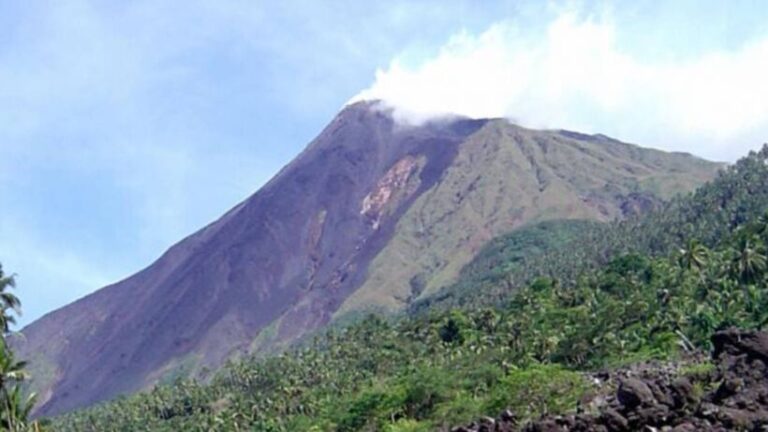
Mount Agung: Epic Bali Volcano Adventure
Discover the majestic Mount Agung, Bali’s highest and most sacred peak. Our guide reveals everything you need to know for this unforgettable volcanic adventure.
- Mount Agung
- Understanding Mount Agung’s Significance
- Planning Your Mount Agung Trek
- The Two Main Trekking Routes
- The Trekking Experience
- Safety Considerations
- What to Pack for Your Mount Agung Trek
- Cultural Etiquette and Respect
- The Summit Experience
- Alternative Experiences Around Mount Agung
- Post-Trek Recovery and Reflection
- Is Mount Agung Right for You?
- Are you ready?
- Summary
Mount Agung
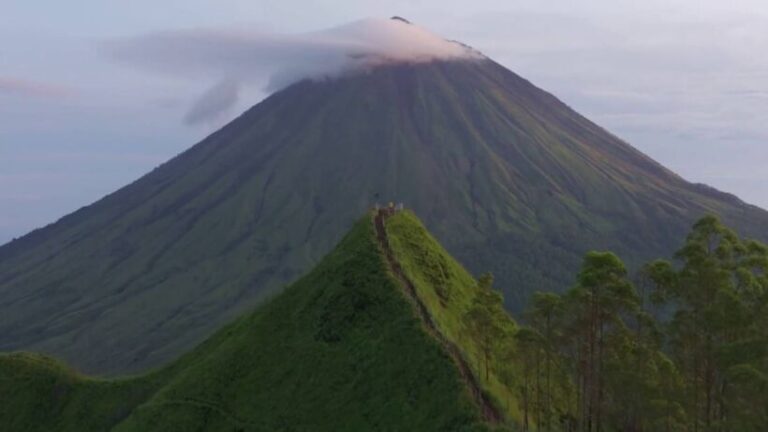
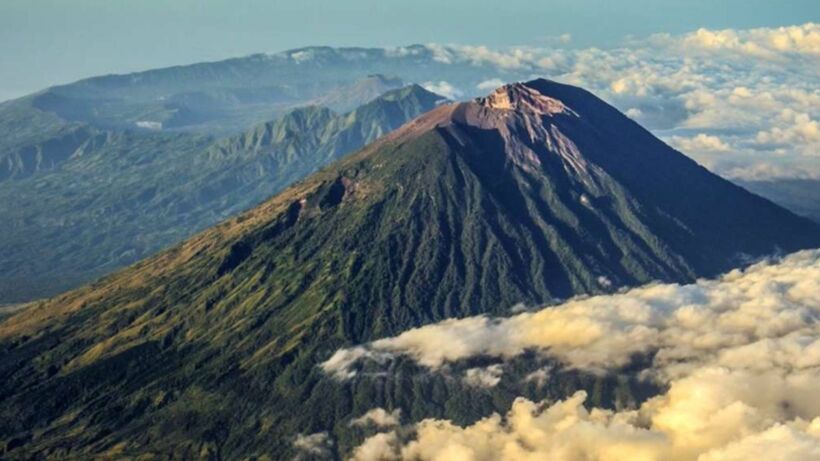
Mount Agung stands as Bali’s most majestic natural wonder, towering over the island at an impressive 3,031 meters above sea level. This active stratovolcano is not only the highest peak in Bali but also holds deep spiritual significance as the island’s most sacred mountain. For adventurous travelers seeking a challenge that combines natural beauty, cultural importance, and breathtaking views, trekking Mount Agung offers an unforgettable experience that goes far beyond Bali’s typical beach resorts and cultural attractions.
Understanding Mount Agung’s Significance
Mount Agung’s prominence in Balinese culture cannot be overstated. According to Dr. I Made Sutama, Balinese cultural anthropologist (2021), “Mount Agung is considered the cosmic mountain, the navel of the universe, and the residence of Mahadewa, the supreme manifestation of Shiva in Balinese Hinduism. The mountain’s influence permeates every aspect of Balinese spiritual life, from temple orientations to ritual calendars.”
The volcano’s geological history is equally impressive. Its most significant eruption in 1963 was one of the 20th century’s largest volcanic events, devastating surrounding villages but ultimately reshaping the island’s landscape and agriculture. Today, Mount Agung remains active, with occasional eruptions that remind visitors of the powerful natural forces at play.
When planning your Mount Agung adventure, it’s essential to understand that this is not merely a physical challenge but a spiritual journey for many Balinese people. Respecting local customs and beliefs is as important as preparing physically for the demanding trek.
Planning Your Mount Agung Trek
Proper preparation is crucial for a safe and enjoyable Mount Agung experience. The best time to attempt the climb is during the dry season from April to October when rainfall is minimal and trail conditions are more favorable. According to the Bali Tourism Board (2022), approximately 15,000 international visitors attempt to climb Mount Agung annually, with about 70% successfully reaching the summit.
Before booking your trek, check the current volcanic activity status through the Center for Volcanology and Geological Hazard Mitigation (CVGHM). Hiking is only permitted when the alert status is at Level I (Normal) or Level II (Advisory). When the status rises to Level III (Watch) or Level IV (Warning), all access to the mountain is prohibited for safety reasons.
Essential preparations for your Mount Agung adventure include:
- Physical conditioning: The trek is strenuous, with steep ascents and high altitude
- Acclimatization: Spend at least 2-3 days in Bali before attempting the climb
- Hiring a licensed guide: Mandatory for safety and navigation
- Choosing the right route: Two main options offer different experiences and difficulty levels
- Packing appropriate gear: Warm clothing, proper footwear, and sufficient supplies
- Mental preparation: The climb is challenging both physically and mentally
The Two Main Trekking Routes
Mount Agung offers two primary trekking routes, each providing a different experience and set of challenges. Choosing the right route depends on your fitness level, experience, and what you hope to gain from the experience.
Besakih Temple Route (Eastern Approach)
The Besakih route begins at Bali’s mother temple, Pura Besakih, and is considered the more challenging of the two options. This route offers a longer trek (approximately 6-7 hours to the summit) with steeper sections and more challenging terrain.
Key features of the Besakih route include:
- Distance: Approximately 12 kilometers round trip
- Elevation gain: About 2,000 meters from starting point to summit
- Difficulty: Challenging, recommended for experienced hikers
- Scenery: Diverse landscapes from temple grounds through forest to volcanic terrain
- Cultural significance: Starting from Bali’s most important temple complex
- Summit approach: Final ascent involves scrambling over rocks and volcanic ash
Pura Pasar Agung Route (Southern Approach)
The Pura Pasar Agung route is shorter and less steep than the Besakih approach, making it more suitable for those with less trekking experience or limited time. This route typically takes 4-5 hours to reach the summit.
Key features of the Pura Pasar Agung route include:
- Distance: Approximately 8 kilometers round trip
- Elevation gain: About 1,700 meters from starting point to summit
- Difficulty: Moderate to challenging, accessible to reasonably fit hikers
- Scenery: Less varied than Besakih route but still impressive
- Cultural significance: Starting from an important temple dedicated to the mountain deity
- Summit approach: Steep but more defined trail with less scrambling
According to experienced mountain guide Wayan Sutawan (2023), “Both routes offer incredible experiences, but I generally recommend the Pura Pasar Agung route for first-time climbers. The Besakih route is better suited for those with previous high-altitude trekking experience who want a more challenging adventure.”
The Trekking Experience
Most Mount Agung treks begin in the early hours of the morning (typically between 2:00-3:00 AM) to reach the summit in time for sunrise. This pre-dawn start adds an element of challenge but rewards hikers with one of the most spectacular sunrise experiences in Indonesia.
The trekking experience can be divided into several stages:
- Initial ascent (0-1,500m): This section follows a relatively gentle path through forest and temple grounds. The trail is well-defined but becomes increasingly steep as you ascend.
- Middle section (1,500-2,500m): As you climb higher, the vegetation becomes sparser and the terrain more challenging. This section often involves scrambling over rocks and navigating loose volcanic ash.
- Final ascent (2,500-3,031m): The most demanding part of the trek involves steep inclines and scrambling over rocky terrain. The air becomes thinner, making breathing more difficult.
- Summit experience: Reaching the top just before dawn, you’ll witness a breathtaking sunrise over Bali and neighboring islands. On clear days, you can see as far as Mount Rinjani on Lombok.
- Descent: The journey down typically takes 3-4 hours and can be physically demanding on the knees due to the steep terrain.
Throughout the trek, your guide will set a manageable pace and provide rest stops as needed. The temperature can vary dramatically, from warm and humid at the base to near-freezing at the summit, so layered clothing is essential.
Safety Considerations
Safety is paramount when trekking an active volcano like Mount Agung. The Indonesian authorities take volcanic monitoring seriously, and access to the mountain is strictly controlled based on current activity levels.
Key safety considerations include:
- Volcanic activity: Always check the current alert status before planning your trek
- Weather conditions: Mountain weather can change rapidly; be prepared for rain, wind, and temperature drops
- Physical demands: The trek is strenuous and should not be underestimated
- Altitude sickness: The rapid ascent can cause altitude-related symptoms in some hikers
- Hydration and nutrition: Maintain proper hydration and energy levels throughout the trek
- Guide dependence: Never attempt to climb without a licensed guide
- Emergency preparedness: Know basic emergency procedures and carry essential first-aid supplies
Dr. Budi Santoso, volcanologist at Udayana University (2022), advises that “While Mount Agung is accessible to tourists when conditions permit, it remains an active volcano with inherent risks. Hikers must respect all safety guidelines and follow their guides‘ instructions without hesitation. The mountain demands respect, and those who fail to take it seriously put themselves at unnecessary risk.”
What to Pack for Your Mount Agung Trek
Proper equipment and clothing are essential for a safe and comfortable Mount Agung experience. The mountain’s high elevation and variable conditions require careful preparation.
Essential items to pack include:
Clothing:
- Moisture-wicking base layers
- Insulating mid-layer (fleece or lightweight down jacket)
- Waterproof and windproof outer layer
- Warm hat and gloves
- Hiking pants (convertible options are useful)
- Extra socks (moisture-wicking material)
- Sturdy, broken-in hiking boots with good ankle support
Equipment and supplies:
- Headlamp or flashlight with extra batteries
- Backpack (20-30 liters capacity)
- Trekking poles (highly recommended for the descent)
- Water bottles or hydration system (at least 2 liters capacity)
- High-energy snacks (nuts, energy bars, chocolate)
- Personal first-aid kit with blister treatment
- Sun protection (hat, sunglasses, high-SPF sunscreen)
- Camera with extra batteries (cold drains battery life)
- Personal medications and basic pain relievers
Optional but recommended items:
- Gaiters to keep volcanic ash out of boots
- Buff or face covering for dust protection
- Lightweight towel
- Toilet paper and hand sanitizer
- Cash in small denominations for tips or purchases
- Power bank for charging electronic devices
Cultural Etiquette and Respect
As a sacred mountain in Balinese Hinduism, Mount Agung deserves special respect from visitors. Understanding and following local customs is essential for a culturally sensitive experience.
Important cultural considerations include:
- Temple protocol: Both starting points are important temple sites; dress modestly (shoulders and knees covered)
- Behavior guidelines: Maintain quiet demeanor, especially at temple areas and summit
- Offerings: You may see small offerings along the trail; do not disturb these
- Photography: Ask permission before photographing people or religious ceremonies
- Environmental respect: Do not leave any trash on the mountain
- Spiritual significance: Many Balinese believe the mountain is inhabited by spirits; act accordingly
According to Balinese cultural expert I Gusti Ngurah (2023), “For Balinese people, Mount Agung is not merely a geological feature but a living entity with spiritual significance. Visitors who approach the mountain with respect and openness to its cultural dimension will have a much richer experience than those who see it only as a physical challenge.”
The Summit Experience
Reaching the summit of Mount Agung just before dawn is a truly magical experience that makes all the physical effort worthwhile. As the first light appears, you’ll witness a spectacular sunrise over Bali, with views extending across the entire island and on clear days to neighboring islands including Lombok and Nusa Penida.
At the summit (3,031 meters), you can expect:
- Breathtaking panoramic views of Bali and surrounding islands
- A sense of accomplishment after the challenging climb
- Spiritual atmosphere enhanced by the mountain’s sacred status
- Cold temperatures (often near freezing) and strong winds
- Occasional volcanic steam vents reminding you of the mountain’s active nature
- Time for reflection and rest before beginning the descent
Most groups spend 30-60 minutes at the summit, depending on weather conditions and the guide’s assessment. This is the perfect time to take photographs, enjoy a snack, and absorb the incredible sense of achievement.
Photographer Kenji Tanaka (2022), who specializes in volcanic landscapes, notes, “The light at sunrise on Mount Agung is truly special. The way it illuminates the volcanic landscape and creates shadows across Bali is unlike anywhere else. The challenge is protecting your equipment from the cold and ash while capturing the moment.”
Alternative Experiences Around Mount Agung
For those who may not be up for the full trek or when volcanic conditions prevent climbing, there are alternative ways to experience Mount Agung’s majesty:
Temple visits:
- Pura Besakih: Explore Bali’s mother temple complex at the foot of the mountain
- Pura Pasar Agung: Visit the southern starting point temple without attempting the climb
- Pura Luhur Batukaru: Another important mountain temple with beautiful architecture
Scenic viewpoints:
- Bukit Asah: Offers panoramic views of Mount Agung from the east
- Sidemen Valley: Stunning rice terrace views with Mount Agung as a backdrop
- Seraya Village: Less crowded viewpoint with excellent photo opportunities
Cultural experiences:
- Traditional Balinese villages in the mountain’s foothills
- Coffee plantations that benefit from the volcanic soil
- Local markets selling products grown on the mountain’s slopes
These alternatives provide opportunities to appreciate Mount Agung’s cultural significance and natural beauty without undertaking the challenging trek.
Post-Trek Recovery and Reflection
After completing your Mount Agung trek, proper recovery is essential. The physical demands of the climb can leave you exhausted, and taking time to rest and reflect enhances the overall experience.
Recommended post-trek activities include:
- Rest and recovery: Allow at least one full day of rest after your trek
- Hydration and nutrition: Replenish fluids and nutrients depleted during the climb
- Gentle stretching: Help prevent muscle soreness with light stretching
- Massage: Consider a traditional Balinese massage to ease tired muscles
- Reflection: Journal about your experience to process the physical and spiritual aspects
Many trekkers find that the Mount Agung experience stays with them long after they’ve left Bali. The combination of physical challenge, natural beauty, and cultural significance creates a profound experience that often changes perspectives and creates lasting memories.
Is Mount Agung Right for You?
Mount Agung offers an incredible experience, but it may not be suitable for every traveler. Consider whether this challenging trek aligns with your abilities, interests, and expectations.
Mount Agung might be perfect for you if you:
- Seek a challenging physical adventure beyond typical tourist experiences
- Have good physical fitness and previous hiking experience
- Are interested in Balinese culture and spiritual traditions
- Want to experience Bali beyond beaches and resorts
- Have sufficient time in your itinerary for proper preparation and recovery
- Are comfortable with basic facilities and challenging conditions
You might want to reconsider or modify your plans if you:
- Have respiratory or cardiovascular conditions that could be exacerbated by high altitude
- Have limited hiking experience or physical fitness
- Have a tight schedule with no flexibility for weather or volcanic activity delays
- Require luxury accommodations and high-end amenities
- Are traveling with young children who cannot manage the trek
- Dislike early morning starts or physically demanding activities
For those who decide that Mount Agung is the right challenge, the rewards are substantial. The sense of achievement, combined with the spectacular views and cultural significance, creates an unforgettable experience that represents the very best of adventurous travel in Bali.
Are you ready?
Ready to challenge yourself with Bali’s ultimate trekking adventure? Begin planning your Mount Agung experience today by researching current volcanic activity, finding a licensed guide, and preparing physically for the challenge. The summit of Bali’s sacred mountain awaits those with the determination and respect to reach it!
Summary
- Mount Agung is Bali’s highest volcano at 3,031 meters and is considered the island’s most sacred mountain.
- The volcano has two main trekking routes: from Besakih Temple in the east and Pura Pasar Agung in the south.
- Sunrise treks typically begin around 2:00 AM and take 5-7 hours round trip.
- Hiking is only permitted when the volcano’s alert status is at Level I (Normal) or Level II (Advisory).
- The best time to climb is during the dry season from April to October for clearer views.