Kawah Ijen: Spectacular Blue Fire Adventure
Discover the magical Kawah Ijen volcano, home to the world-famous blue fire phenomenon. Our guide reveals everything you need to know for this unforgettable Banyuwangi adventure.
- Kawah Ijen
- The Marvel of Kawah Ijen Volcano
- Planning Your Kawah Ijen Adventure
- The Night Hike Experience
- Witnessing the Blue Fire Phenomenon
- The Turquoise Crater Lake and Sunrise
- The Sulfur Miners of Kawah Ijen
- Practical Information for Visitors
- Safety Considerations
- Photography Tips for Kawah Ijen
- Is Kawah Ijen Right for You?
- Are you ready?
- Summary
Kawah Ijen
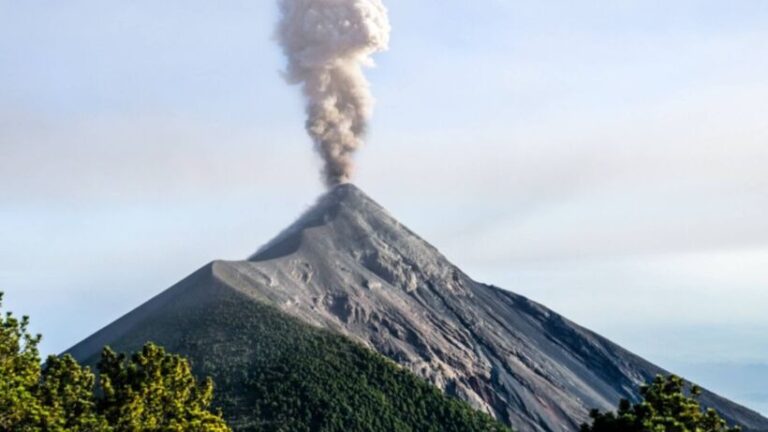
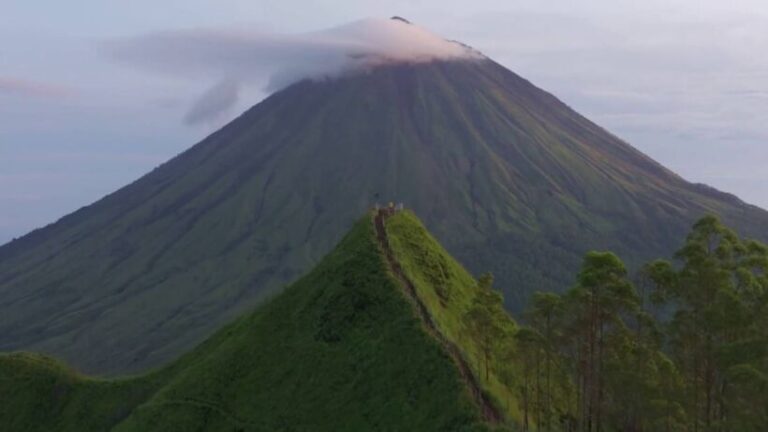
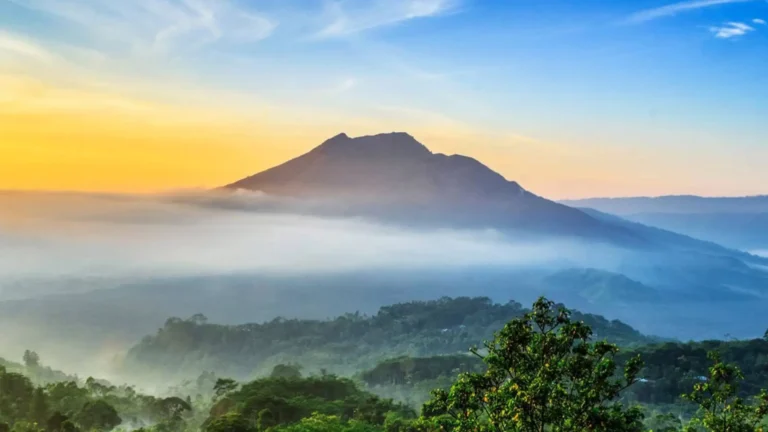
Kawah Ijen stands as one of Indonesia’s most extraordinary natural wonders, captivating visitors with its mesmerizing blue fire phenomenon and stunning turquoise crater lake. Located in East Java near Banyuwangi, this active volcano offers a truly otherworldly experience that few places on Earth can match. The combination of natural beauty, geological significance, and human endeavor makes Kawah Ijen a must-visit destination for adventurous travelers seeking something beyond the ordinary.
The Marvel of Kawah Ijen Volcano
Kawah Ijen is part of a larger volcanic complex that includes several stratovolcanoes within the Ijen caldera. Rising to 2,799 meters above sea level, this volcano is renowned for its unique blue flames, which result from the combustion of sulfuric gases emerging from cracks in the volcano at high temperatures and pressure. According to Dr. Budi Santoso, volcanologist at the Indonesian Institute of Sciences (2021), “The blue fire phenomenon at Kawah Ijen is extremely rare, occurring in only a few places worldwide. What makes Ijen special is both the intensity of the flames and their accessibility to visitors.”
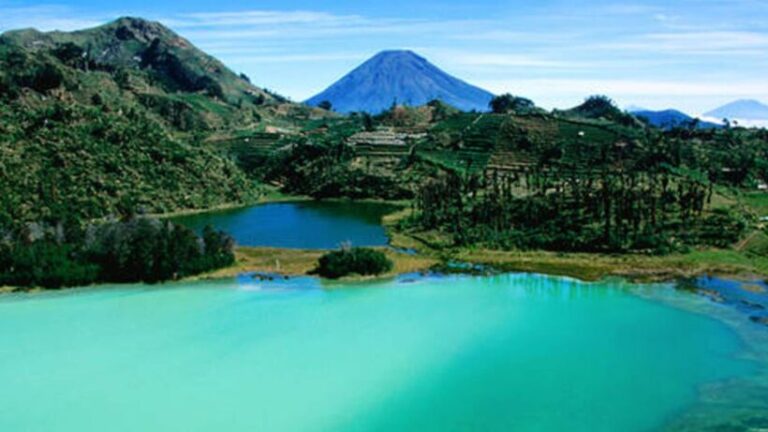
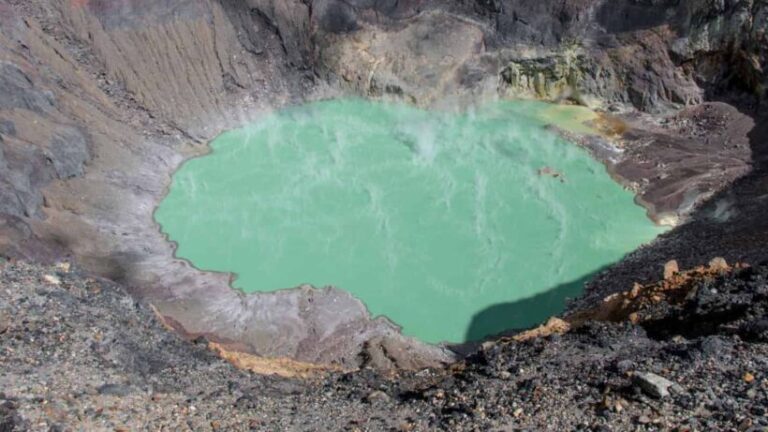
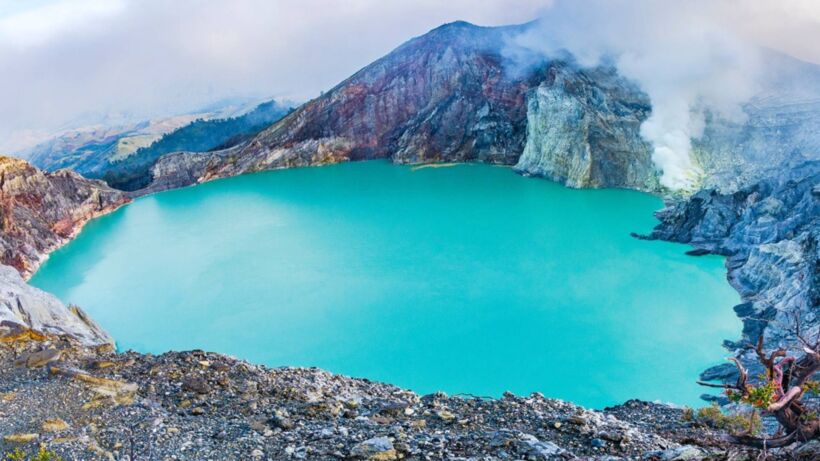
The crater itself houses a large acidic lake with a pH below 0.5, making it one of the most acidic bodies of water on Earth. This turquoise lake measures approximately 200 meters deep and nearly 1 kilometer in diameter, creating a striking contrast against the surrounding volcanic landscape. The lake’s color comes from the high concentration of dissolved metals and minerals, primarily sulfur compounds.
When planning your visit to Kawah Ijen, it’s essential to understand that this is not a typical tourist attraction. The experience involves a challenging night hike, exposure to sulfur gases, and basic facilities. However, for those who make the journey, the rewards are truly unforgettable.
Planning Your Kawah Ijen Adventure
Proper planning is crucial for a safe and enjoyable visit to Kawah Ijen. The best time to visit is during the dry season from April to October when rainfall is minimal and hiking conditions are more favorable. According to the East Java Tourism Board (2022), approximately 50,000 international visitors make the journey to Kawah Ijen annually, with numbers increasing each year as word spreads about this unique destination.
To reach Kawah Ijen, most travelers base themselves in Banyuwangi, the nearest major town with good transportation links and accommodation options. From Banyuwangi, it’s approximately a 1-2 hour drive to the Paltuding post, where the hike begins.
Essential preparations for your Kawah Ijen blue fire tour include:
- Physical fitness: The hike involves a steep ascent of approximately 3 kilometers with an elevation gain of 500 meters
- Early start: Most tours depart between midnight and 1:00 AM to reach the crater in time for the blue fire
- Proper equipment: Sturdy hiking boots, warm clothing (temperatures can drop to 10°C), and a gas mask are essential
- Hiring a guide: Local guides are mandatory and provide valuable assistance and safety monitoring
- Health considerations: The sulfur gases can be challenging for those with respiratory conditions
The Night Hike Experience
The journey to witness Kawah Ijen’s blue fire begins in the middle of the night. Most visitors depart from their accommodations around midnight, arriving at the Paltuding post between 1:00-2:00 AM. After registering with park authorities and meeting your guide, the ascent begins in darkness, with only flashlights and headlamps illuminating the path.
The hike can be divided into three main sections:
- Initial ascent (0-1.5km): This section follows a relatively gentle path through forest, with a moderate incline that allows hikers to warm up gradually.
- Steeper climb (1.5-2.5km): As you ascend further, the path becomes steeper and more challenging. The vegetation begins to thin out, offering occasional glimpses of the surrounding landscape in the moonlight.
- Final approach to the crater (2.5-3km): The most challenging part of the hike involves navigating rocky terrain with a significant incline. The smell of sulfur becomes noticeable, and the sound of activity from the crater below grows louder.
According to experienced mountain guide Ahmad Fauzi (2023), “The night hike to Kawah Ijen is demanding but incredibly rewarding. We encourage our clients to pace themselves, stay hydrated, and take breaks when needed. The final approach to the crater rim is where most people feel the effects of the altitude and sulfur gases, so we move slowly and monitor everyone closely.”
Witnessing the Blue Fire Phenomenon
Reaching the crater rim between 3:00-4:00 AM, visitors are treated to one of nature’s most spectacular displays. The blue fire, which can reach heights of up to 5 meters, dances across the crater floor, creating an ethereal scene that seems almost supernatural. This phenomenon occurs when sulfuric gases emerge from cracks at temperatures exceeding 600°C, igniting upon contact with atmospheric oxygen.
To get the closest views of the blue fire, visitors must descend approximately 300 meters from the crater rim to the crater floor. This descent is steep and can be challenging, especially in the dark and with the presence of sulfur gases. A local guide is essential for navigating this section safely.
Key aspects of the blue fire viewing experience include:
- Visibility: The blue flames are most visible in darkness before dawn, with optimal viewing typically between 2:30-4:30 AM
- Photography: Capturing the blue fire requires specific camera settings, including high ISO, wide aperture, and long exposure
- Gas exposure: The crater floor has high concentrations of sulfur dioxide and hydrogen sulfide gases, making proper gas masks essential
- Temperature contrast: While the air temperature is cool, the ground near the gas vents can be extremely hot
- Limited time: Most visitors spend 30-60 minutes at the crater floor before beginning the ascent as dawn approaches
Professional landscape photographer Elena Rodriguez (2022) notes, “Photographing the blue fire at Kawah Ijen presents unique challenges. The low light conditions require technical skill, and the sulfur gases can be harsh on camera equipment. However, the resulting images are unlike anything else you can capture in nature.”
The Turquoise Crater Lake and Sunrise
As dawn approaches, the blue fire gradually fades, giving way to daylight and revealing another of Kawah Ijen’s spectacular features: the turquoise crater lake. As sunlight hits the acidic lake, its brilliant color becomes visible, creating a stunning contrast against the dark volcanic rock. This is also when visitors can observe the sulfur miners at work, adding a human element to the dramatic landscape.
The crater lake at Kawah Ijen is recognized as the largest highly acidic crater lake in the world, with a pH that can measure as low as 0.3. According to geochemist Dr. Sarah Johnson (2021), “The extreme acidity of Kawah Ijen’s crater lake results from the high concentration of sulfuric acid formed when hydrogen sulfide gas reacts with water. This unique chemical environment supports specialized microorganisms that have adapted to conditions that would be lethal to most life forms.”
After spending time at the crater rim witnessing the sunrise and lake views, visitors begin the descent back to the Paltuding post. The descent typically takes 1-2 hours and is considerably easier than the ascent, allowing time to appreciate the surrounding landscape that was hidden in darkness during the night hike.
The Sulfur Miners of Kawah Ijen
One of the most remarkable aspects of Kawah Ijen is the presence of traditional sulfur miners who work in extremely challenging conditions. These miners extract sulfur from the crater by breaking solidified sulfur deposits formed by the escaping gases. They then carry loads weighing up to 90 kilograms (200 pounds) on bamboo baskets balanced on their shoulders up the steep crater walls and down the mountain to the weighing station.
Key facts about the sulfur miners include:
- Working conditions: Miners work without proper protective equipment, exposed to high concentrations of toxic gases for up to 8 hours daily
- Compensation: They earn approximately 600-800 Indonesian Rupiah (about 4-6 US cents) per kilogram of sulfur
- Physical demands: The combination of heavy loads, steep terrain, and toxic exposure creates one of the world’s most difficult jobs
- Health impacts: Many miners suffer from respiratory problems and other health issues related to their working conditions
- Cultural significance: Despite the hardships, sulfur mining has become an integral part of the local identity and economy
According to a study by the International Labor Organization (2022), “The sulfur miners of Kawah Ijen represent one of the most extreme examples of manual labor in the modern world. While efforts are being made to improve their working conditions and provide alternative livelihoods, the economic realities of the region make this dangerous work a necessity for many families.”
Visitors to Kawah Ijen have the opportunity to observe and interact with the miners, and many choose to offer small tips or purchase souvenirs directly from them as a way to support their difficult work.
Practical Information for Visitors
To ensure a safe and enjoyable visit to Kawah Ijen, here’s essential practical information:
Getting to Kawah Ijen:
- From Banyuwangi: Hire a private driver or join a tour (approximately 1-2 hours each way)
- From Bondowoso: Alternative route with similar travel time
- From Bali: Take a ferry to Gilimanuk, then drive to Banyuwangi (approximately 4-5 hours total)
- Organized tours: Available from major tourist areas including Bali, Yogyakarta, and Surabaya
Cost considerations:
- Entrance fee: Approximately 100,000 IDR for international visitors on weekdays, 150,000 IDR on weekends
- Guide fee: Mandatory, typically 300,000-500,000 IDR per group
- Gas mask rental: Approximately 50,000 IDR if you don’t have your own
- Transportation: Varies depending on your starting point and mode of transport
What to bring:
- Sturdy hiking boots with good grip
- Warm clothing layers (temperatures can drop to 10°C)
- Headlamp or flashlight with extra batteries
- Gas mask (recommended, though rentals are available)
- Camera equipment with protection against sulfur
- Water and snacks (limited facilities on the mountain)
- Small first-aid kit and personal medications
- Cash in small denominations for tips and small purchases
Safety Considerations
While Kawah Ijen is generally safe for visitors when proper precautions are followed, there are several important safety considerations to keep in mind:
Volcanic activity:
- Check current activity levels with local authorities before your visit
- Follow all instructions from your guide and park officials
- Be aware that volcanic conditions can change rapidly
- Respect any restricted areas or trail closures
Health precautions:
- The sulfur gases can be irritating to eyes and respiratory system
- Those with asthma, heart conditions, or respiratory issues should consult a doctor before visiting
- Stay hydrated and take breaks as needed during the hike
- Monitor yourself and others for signs of altitude sickness or gas exposure
Physical demands:
- The hike is moderately strenuous, particularly the final ascent to the crater
- Ensure you have an appropriate level of fitness before attempting the hike
- Take your time and don’t hesitate to turn back if you’re experiencing difficulties
- Use proper hiking technique and equipment to prevent injuries
Dr. Michael Chen, travel medicine specialist (2023), advises that “While most visitors to Kawah Ijen experience no serious health issues, the combination of altitude, physical exertion, and sulfur exposure can be challenging. Proper preparation, including physical conditioning and bringing appropriate protective equipment, significantly reduces risks.”
Photography Tips for Kawah Ijen
Kawah Ijen offers incredible opportunities for photography, from the ethereal blue fire to the dramatic crater lake and human element of the sulfur miners. To capture the best images during your visit, consider these photography tips:
For blue fire photography:
- Use a tripod for stability during long exposures
- Set a high ISO (1600-3200) to capture the low light
- Use a wide aperture (f/2.8 or wider) to maximize light intake
- Experiment with shutter speeds between 10-30 seconds
- Protect your equipment from sulfur gases with a cloth or plastic bag
For daytime crater photography:
- Use a polarizing filter to enhance the blue color of the lake
- Include human elements (miners or other visitors) for scale and context
- Shoot during the golden hours (early morning or late afternoon) for dramatic lighting
- Use a wide-angle lens to capture the vastness of the crater
- Bracket your exposures to handle the high contrast between bright sky and dark crater
For portraits of sulfur miners:
- Always ask for permission before photographing the miners
- Consider offering a small tip or purchasing something from them
- Use a medium telephoto lens (85-135mm) for flattering portraits
- Use a wide aperture to separate your subject from the background
- Be respectful of their working conditions and time constraints
Professional travel photographer Kenji Tanaka (2023) notes, “Kawah Ijen presents unique technical challenges for photographers, particularly when capturing the blue fire. The key is preparation—knowing your equipment, bringing backup batteries, and protecting your gear from the harsh environment. The results, however, are absolutely worth the effort.”
Is Kawah Ijen Right for You?
Kawah Ijen offers a truly unique and memorable experience, but it may not be suitable for every type of traveler. Consider whether this destination aligns with your interests, abilities, and expectations.
Kawah Ijen might be perfect for you if you:
- Seek extraordinary natural phenomena and off-the-beaten-path experiences
- Have a reasonable level of physical fitness for hiking at altitude
- Are comfortable with basic facilities and challenging conditions
- Have an interest in geology, volcanoes, or unique natural phenomena
- Appreciate cultural experiences and human stories
- Don’t mind early morning starts and physical exertion
You might want to reconsider or modify your plans if you:
- Have respiratory conditions, heart problems, or other health concerns
- Have mobility issues that make hiking on steep terrain difficult
- Require luxury accommodations and high-end amenities
- Dislike crowds during peak tourist seasons
- Have young children who might struggle with the hike and conditions
- Are uncomfortable with exposure to sulfur gases
For those who decide that Kawah Ijen is the right destination, the rewards are substantial. The combination of natural wonder, cultural insight, and personal achievement creates an experience that remains vivid in memory long after returning home.
Are you ready?
Ready to witness one of nature’s most extraordinary phenomena? Start planning your Kawah Ijen adventure today by researching tour operators, checking seasonal conditions, and preparing for an unforgettable journey to this volcanic wonderland. The blue fire, turquoise lake, and resilient miners of Kawah Ijen await your discovery!
Summary
- Kawah Ijen is an active volcano in East Java, Indonesia, famous for its blue fire phenomenon caused by ignited sulfuric gas.
- The volcano’s crater houses the world’s largest acidic crater lake, measuring 200 meters deep with a pH below 0.5.
- Blue fire visibility is best between 2:00-4:00 AM, requiring a night hike of approximately 1-2 hours.
- Sulfur miners work in extreme conditions, carrying up to 90kg of sulfur from the crater daily.
- The best time to visit is during the dry season from April to October for clearer hiking conditions.