Acatenango Hike: Thrilling Volcano Adventure
Discover the awe-inspiring Acatenango hike, where you can witness an active volcano from a front-row seat. Our guide reveals everything you need to know for this unforgettable Guatemala adventure.
- Acatenango Hike
- Understanding the Acatenango Volcano
- Planning Your Acatenango Adventure
- The Hiking Experience
- Witnessing Volcán de Fuego’s Eruptions
- Camping on the Volcano
- Safety Considerations
- Choosing the Right Tour Operator
- What to Pack for Your Acatenango Hike
- Environmental and Cultural Considerations
- The Descent and Return to Antigua
- Post-Hike Recovery and Reflection
- Is the Acatenango Hike Right for You?
- Are you ready?
- Summary
Acatenango Hike
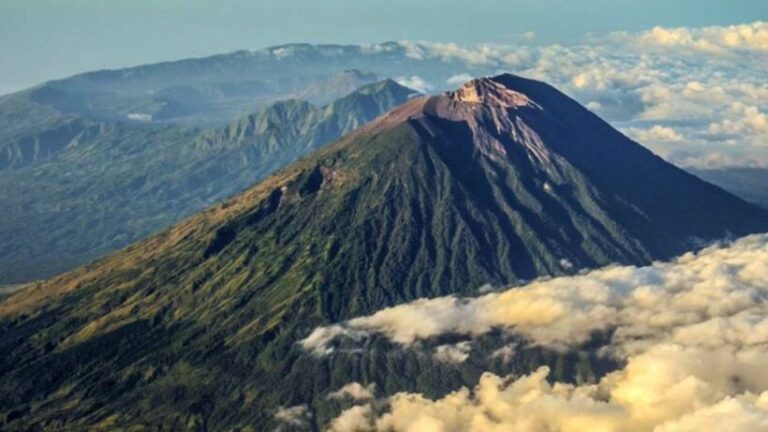
Acatenango hike stands as one of Central America’s most extraordinary outdoor adventures, offering intrepid travelers the rare opportunity to witness an active volcano from a front-row seat. Located just outside the colonial city of Antigua, Guatemala, this challenging trek takes you to the summit of a 3,976-meter stratovolcano where you can observe the constantly erupting Volcán de Fuego from across a deep valley. The combination of physical challenge, breathtaking scenery, and the raw power of nature makes this experience truly unforgettable for those who undertake it.
Understanding the Acatenango Volcano
Acatenango is one of Guatemala’s highest peaks, forming a twin-volcano complex with its slightly shorter neighbor, Volcán de Fuego. While Fuego is one of the world’s most active volcanoes, erupting every 15 to 60 minutes, Acatenango is currently dormant, making it the perfect vantage point to observe its neighbor’s spectacular displays of nature’s power. According to Dr. Ricardo Morales, volcanologist at the University of San Carlos (2021), “The Acatenango-Fuego complex represents a fascinating geological relationship, with two volcanoes of similar age but dramatically different activity levels. This proximity allows for safe observation of one of the world’s most consistently active volcanoes.”
The hike to Acatenango’s summit takes you through several distinct ecosystems as you ascend, starting from farmland at the base, passing through dense cloud forests, and finally reaching the exposed volcanic terrain near the summit. This ecological diversity adds another layer of interest to an already remarkable experience.
When planning your Acatenango adventure, it’s important to understand that this is a challenging trek that requires good physical fitness, proper preparation, and respect for the mountain environment. The rewards, however, are immeasurable for those who make the journey.
Planning Your Acatenango Adventure
Proper planning is essential for a safe and enjoyable Acatenango hike. The best time to attempt the trek is during the dry season from November to April when rainfall is minimal and trail conditions are more favorable. According to the Guatemala Tourism Board (2022), approximately 25,000 international visitors hike Acatenango annually, with numbers increasing each year as word spreads about this unique experience.
Before booking your trek, consider these essential planning aspects:
- Physical preparation: The hike is strenuous, with steep ascents and high altitude
- Choosing a tour operator: Quality varies significantly between companies
- Packing appropriate gear: Proper equipment is essential for comfort and safety
- Acclimatization: Spending time in Antigua (1,500m) helps adjust to the altitude
- Weather considerations: Mountain weather can change rapidly regardless of season
Most Acatenango hikes are overnight treks that allow you to camp near the summit and witness both sunset and sunrise views of Fuego’s eruptions. These tours typically include transportation from Antigua, camping equipment, meals, and experienced guides.
The Hiking Experience
The Acatenango hike typically begins early in the morning from a village near the volcano’s base. Most tours pick up hikers in Antigua around 7:00-8:00 AM for the drive to the starting point. From there, the journey to base camp usually takes 5-7 hours, depending on your fitness level and the specific route chosen.
The hike can be divided into several distinct sections:
- Initial ascent (0-1,500m): This section follows relatively gentle paths through farmland and lower forest. The trail is well-defined but increasingly steep as you gain elevation.
- Middle section (1,500-2,800m): As you climb higher, the terrain becomes more challenging, with steeper inclines and looser volcanic soil. The vegetation transitions from farmland to dense cloud forest, with increasingly spectacular views of the surrounding valleys.
- Final ascent to base camp (2,800-3,600m): The most demanding part of the hike involves navigating steep, often muddy trails through high-altitude vegetation. At this elevation, the air becomes noticeably thinner, making breathing more difficult.
- Summit push (optional): Many tours offer the option to continue to the actual summit (3,976m) early the next morning for sunrise. This additional climb takes 1-2 hours and is considerably more challenging than reaching base camp.
Throughout the hike, your guide will set a manageable pace and provide information about the volcano, local ecology, and safety considerations. Rest stops are typically scheduled every hour or so, allowing hikers to catch their breath and hydrate.
Witnessing Volcán de Fuego’s Eruptions
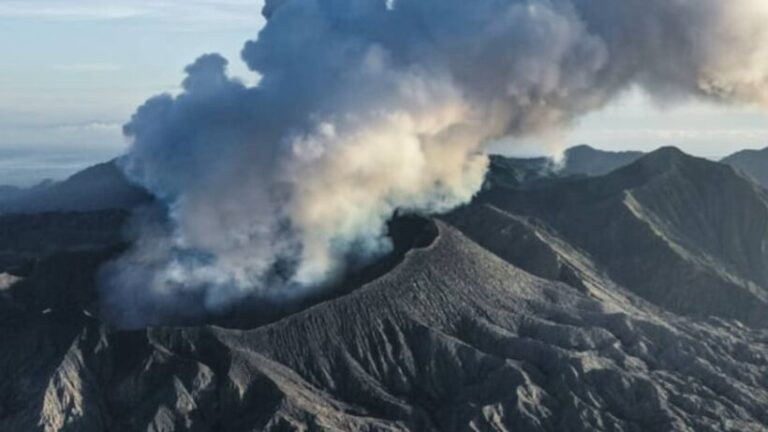
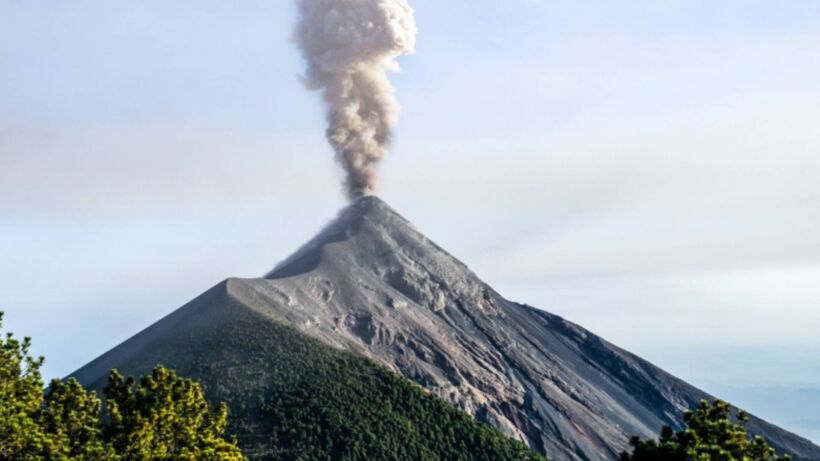
The highlight of any Acatenango hike is undoubtedly the opportunity to witness Volcán de Fuego’s eruptions from a safe distance. From base camp or the summit of Acatenango, you have a front-row seat to one of nature’s most spectacular shows.
Fuego’s eruptions occur regularly, typically every 15 to 60 minutes, and can vary in intensity from small ash plumes to dramatic explosions of lava and rock. The experience of watching these eruptions, especially after dark when the glowing lava is visible, is truly mesmerizing.
Key aspects of the eruption-viewing experience include:
- Daytime observations: Impressive ash columns rising thousands of feet into the air
- Nighttime displays: Spectacular shows of glowing lava cascading down Fuego’s slopes
- Sound effects: The deep rumbling and occasional loud explosions create an immersive experience
- Safety considerations: Your guide will ensure you maintain a safe distance from any potential hazards
- Photography opportunities: The eruptions provide incredible subject matter for photographers
According to landscape photographer Elena Rodriguez (2023), “Photographing Fuego’s eruptions from Acatenango presents unique challenges and rewards. The changing light conditions, fast-moving action, and cold temperatures require technical skill and patience, but the resulting images are unlike anything else you can capture in nature.”
Camping on the Volcano
Most overnight Acatenango tours include camping near the summit, typically at an elevation of approximately 3,600 meters. This high-altitude camping experience is an integral part of the adventure, allowing you to witness both sunset and sunrise views of Fuego’s eruptions.
Camping on Acatenango is basic but functional. Most tour operators provide:
- Four-season tents designed for high-altitude conditions
- Sleeping bags rated for cold temperatures (can drop below freezing)
- Foam sleeping pads for insulation from the cold ground
- Hot meals prepared by guides (typically dinner and breakfast)
- Hot beverages to help warm up in the cold conditions
The camping experience on Acatenango is quite different from typical recreational camping. The high altitude means the air is thin, temperatures can drop well below freezing, and winds can be strong. However, the opportunity to witness Fuego’s eruptions under a star-filled sky makes the discomfort worthwhile for most hikers.
Essential items for your camping experience include:
- Warm layers (thermal underwear, fleece, insulated jacket)
- Warm hat, gloves, and thick socks
- Headlamp with extra batteries
- Water bottle (hydration is crucial at high altitude)
- Personal medications and basic first-aid supplies
- Camera equipment with extra batteries (cold drains battery life)
- Snacks to supplement provided meals
Safety Considerations
While the Acatenango hike is generally safe when undertaken with a reputable tour operator, it’s important to understand and respect the potential risks involved. The high altitude, steep terrain, and proximity to an active volcano all present specific hazards that require proper preparation and caution.
Key safety considerations include:
- Altitude sickness: Symptoms can include headache, nausea, dizziness, and shortness of breath
- Weather exposure: Hypothermia is a risk due to cold temperatures and potential rain
- Volcanic activity: While Fuego’s eruptions are typically visible from a safe distance, conditions can change
- Physical demands: The hike is strenuous and should not be underestimated
- Trail conditions: Paths can be steep, muddy, and slippery, especially during wet season
According to Dr. Maria Lopez, travel medicine specialist (2022), “Proper acclimatization is crucial for the Acatenango hike. We recommend spending at least 24-48 hours in Antigua before attempting the trek to allow your body to adjust to the altitude. Staying hydrated, avoiding alcohol, and recognizing early symptoms of altitude sickness are essential for a safe experience.”
When choosing a tour operator, consider their safety record, equipment quality, guide experience, and emergency protocols. Reputable companies will conduct health checks, monitor weather conditions, and have evacuation plans in place if necessary.
Choosing the Right Tour Operator
The quality of your Acatenango experience can vary significantly depending on the tour operator you choose. With dozens of companies offering the trek, it’s important to research and select a reputable operator that prioritizes safety, sustainability, and quality of experience.
Key factors to consider when choosing a tour operator include:
- Safety record and protocols
- Guide experience and training
- Equipment quality (tents, sleeping bags, etc.)
- Group size (smaller groups typically offer a better experience)
- Inclusions (meals, equipment, transportation)
- Environmental practices
- Reviews and recommendations from previous hikers
- Price (while important, shouldn’t be the only consideration)
Questions to ask potential tour operators:
- What is your guide-to-hiker ratio?
- What safety training do your guides receive?
- What is your emergency evacuation plan?
- What kind of camping equipment do you provide?
- How do you minimize environmental impact?
- What is your cancellation policy in case of unsafe conditions?
According to Guatemala Sustainable Tourism Association (2023), “Responsible tour operators on Acatenango not only provide safe experiences but also contribute to the conservation of the volcanic environment and support local communities. We encourage hikers to choose companies that demonstrate genuine commitment to sustainability and community development.”
What to Pack for Your Acatenango Hike
Proper packing is essential for a safe and comfortable Acatenango experience. The mountain’s high elevation and variable conditions require careful consideration of what to bring.
Essential items to pack include:
Clothing:
- Moisture-wicking base layers (top and bottom)
- Insulating mid-layer (fleece or lightweight down jacket)
- Waterproof and windproof outer layer
- Warm hat, gloves, and buff or neck gaiter
- Hiking pants (convertible options are useful)
- Moisture-wicking underwear and socks (merino wool recommended)
- Sturdy, broken-in hiking boots with good ankle support
- Camp shoes or sandals for relaxing at camp
Equipment and supplies:
- Daypack (30-40 liters capacity)
- Headlamp or flashlight with extra batteries
- Trekking poles (highly recommended for steep sections)
- Water bottles or hydration system (at least 2-3 liters capacity)
- High-energy snacks (nuts, energy bars, chocolate)
- Personal first-aid kit with blister treatment
- Sun protection (hat, sunglasses, high-SPF sunscreen)
- Insect repellent
- Personal medications and basic pain relievers
- Camera with extra batteries and protective case
- Power bank for charging electronic devices
- Wet wipes and hand sanitizer
- Toilet paper (biodegradable)
Optional but recommended items:
- Gaiters to keep debris out of boots
- Lightweight towel
- Camping pillow
- Book or e-reader for evening entertainment
- Binoculars for enhanced viewing of eruptions
- Portable speaker (use respectfully at camp)
- Cash in small denominations for tips or purchases
Environmental and Cultural Considerations
As a popular hiking destination, Acatenango faces environmental pressures from increasing tourism. Responsible hikers can help minimize their impact and contribute to the preservation of this unique ecosystem.
Important environmental considerations include:
- Pack it in, pack it out: Carry out all trash, including organic waste
- Stay on designated trails to prevent erosion and protect vegetation
- Respect wildlife: Observe from a distance and do not feed animals
- Minimize campfire impact: Use only designated fire rings if absolutely necessary
- Be considerate of other visitors: Keep noise levels down and yield to other hikers
- Use water responsibly: Conserve water and avoid polluting water sources
Cultural considerations are also important, as the Acatenango-Fuego complex holds significance for local communities:
- Respect local customs and traditions
- Ask permission before photographing local people
- Support local businesses and communities when possible
- Learn a few basic Spanish phrases to communicate with guides and locals
- Be mindful of cultural differences in behavior and communication
According to local guide Carlos Mendez (2023), “The Acatenango-Fuego volcanoes are not just tourist attractions but important cultural landmarks for our communities. When visitors show respect for both the natural environment and local culture, it creates a more meaningful experience for everyone involved.”
The Descent and Return to Antigua
After witnessing sunrise and possibly making the final push to the summit, most groups begin their descent around 6:00-7:00 AM. The journey down typically takes 3-4 hours, depending on your fitness level and trail conditions.
While descending is generally easier on the cardiovascular system than ascending, it presents its own challenges:
- Knee strain: The steep descent can be tough on joints
- Trail conditions: Loose volcanic soil can make footing slippery
- Fatigue: After a night of limited sleep and physical exertion, you may feel tired
- Weather: Afternoon clouds often roll in, potentially reducing visibility
Most tours return to Antigua by early to mid-afternoon, allowing time for rest and recovery. Many hikers find that a hot shower, comfortable meal, and good night’s sleep are welcome rewards after their volcanic adventure.
Post-Hike Recovery and Reflection
After completing the Acatenango hike, proper recovery is essential. The physical demands of the trek can leave you exhausted, and taking time to rest and reflect enhances the overall experience.
Recommended post-hike activities include:
- Rest and hydration: Allow time to recover and replenish fluids
- Gentle stretching: Help prevent muscle soreness with light stretching
- Massage: Consider a traditional massage to ease tired muscles
- Reflection: Journal about your experience to process the physical and emotional aspects
- Sharing: Connect with fellow hikers to share memories and photos
Many hikers find that the Acatenango experience stays with them long after they’ve left Guatemala. The combination of physical challenge, natural beauty, and the raw power of witnessing an active volcano creates a profound experience that often changes perspectives and creates lasting memories.
Is the Acatenango Hike Right for You?
The Acatenango hike offers an incredible experience, but it may not be suitable for every traveler. Consider whether this challenging trek aligns with your abilities, interests, and expectations.
The Acatenango hike might be perfect for you if you:
- Seek a challenging physical adventure beyond typical tourist experiences
- Have good physical fitness and some hiking experience
- Are interested in volcanoes and natural phenomena
- Want to experience Guatemala beyond its colonial cities and Mayan ruins
- Have sufficient time in your itinerary for proper preparation and recovery
- Are comfortable with basic camping conditions and rustic facilities
You might want to reconsider or modify your plans if you:
- Have respiratory or cardiovascular conditions that could be exacerbated by high altitude
- Have limited hiking experience or physical fitness
- Have a fear of heights or discomfort with steep terrain
- Require luxury accommodations and high-end amenities
- Have a tight schedule with no flexibility for weather-related delays
- Are uncomfortable with cold temperatures or basic camping conditions
For those who decide that the Acatenango hike is the right challenge, the rewards are substantial. The sense of accomplishment, combined with the spectacular views of an erupting volcano, creates an unforgettable experience that represents the very best of adventurous travel in Guatemala.
Are you ready?
Ready to challenge yourself with one of Central America’s most spectacular hikes? Begin planning your Acatenango adventure today by researching reputable tour operators, preparing physically for the challenge, and getting ready to witness the raw power of nature from a front-row seat. The summit of Acatenango awaits those with the determination and respect to reach it!
Summary
- Acatenango is a 3,976-meter stratovolcano in Guatemala, offering spectacular views of the active Volcán de Fuego.
- The overnight hike typically begins near Antigua and takes 5-7 hours to reach base camp.
- From Acatenango’s summit, hikers can witness Fuego’s frequent eruptions, which occur every 15-60 minutes.
- The best time to hike is during dry season (November-April) for clearer views and safer conditions.
- Guided tours are recommended and typically include camping equipment, meals, and experienced local guides.