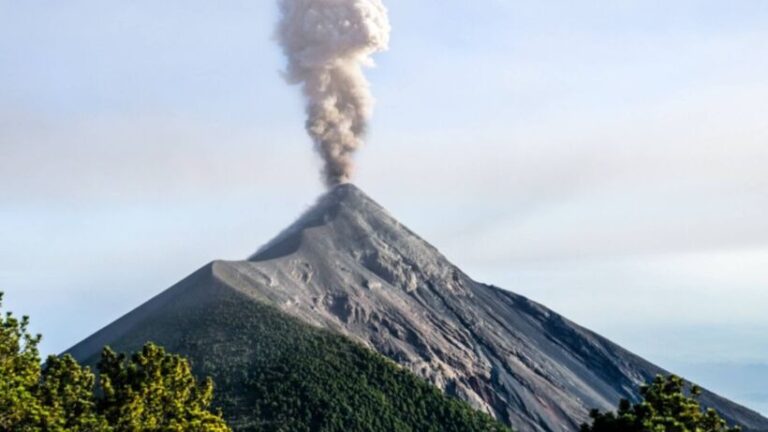
Dieng Plateau: Breathtaking Java Volcanic Wonderland
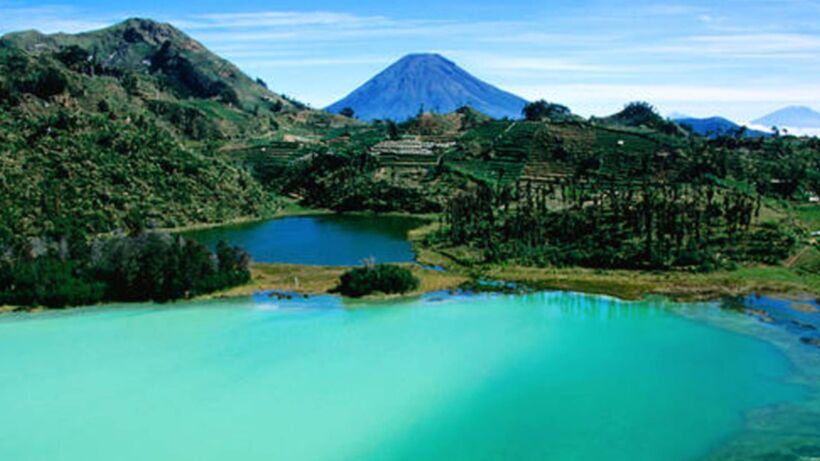
Discover the magical Dieng Plateau, where ancient volcanoes create a landscape of stunning lakes and unforgettable sunrise vistas. Our guide reveals everything you need to know about this Java hidden gem.
- Dieng Plateau
- Discovering the Wonders of Dieng Plateau
- Exploring the Spectacular Crater Lakes
- Witnessing the Unforgettable Dieng Sunrise
- Ancient Temples of Dieng Plateau
- Practical Information for Visitors
- Safety Considerations and Health Tips
- Cultural Experiences and Local Life
- Photography Tips for Dieng Plateau
- Is Dieng Plateau Right for You?
- Are you ready?
- Summary
Dieng Plateau
Dieng Plateau stands as one of Java’s most extraordinary natural wonders, offering visitors a mesmerizing blend of volcanic landscapes, ancient temples, and stunning lakes. Located in Central Java at approximately 2,000 meters above sea level, this highland region provides a refreshing escape from Indonesia’s tropical heat, with temperatures often dropping to 5-10°C at night. The combination of natural beauty, cultural heritage, and unique geological features makes Dieng Plateau a must-visit destination for anyone exploring the diverse landscapes of Indonesia.
Discovering the Wonders of Dieng Plateau
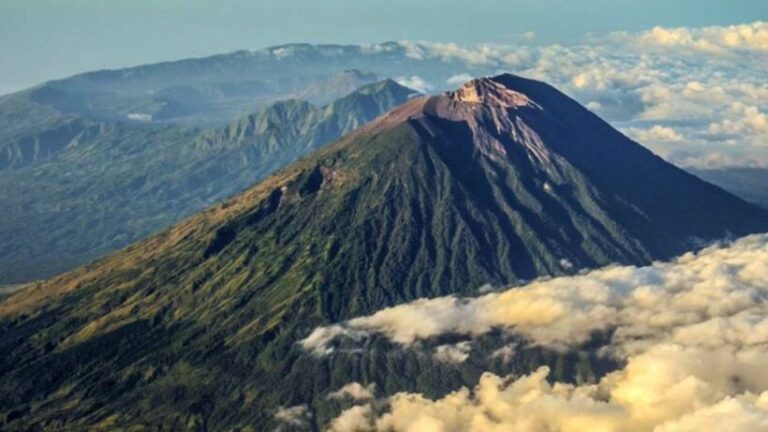
The name “Dieng” derives from the Sanskrit words “Di” (abode) and “Hyang” (gods), literally meaning “Abode of the Gods.” This mystical highland plateau was formed by ancient volcanic eruptions that created a complex of calderas, cones, and craters spanning approximately 619 square kilometers. According to Dr. Budi Santoso, volcanologist at Gadjah Mada University (2021), “Dieng represents one of the most geologically active and diverse regions in Indonesia, with multiple volcanic features that have been shaped over millions of years of geological activity.”
The plateau’s unique geography has created several distinct attractions that draw visitors from around the world:
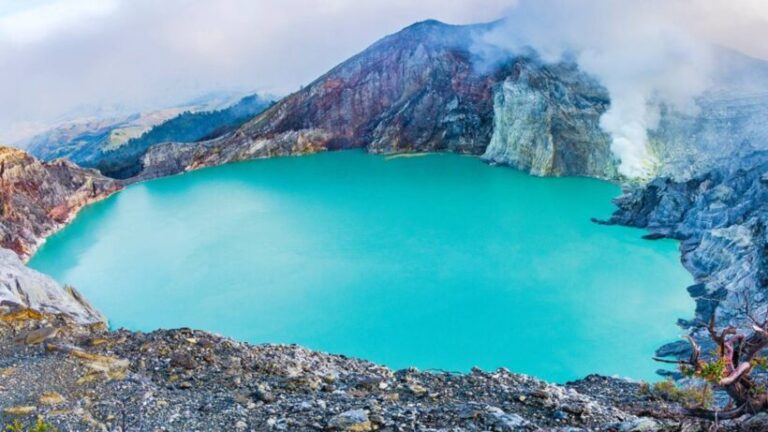
- Colorful crater lakes with mineral-rich waters that display remarkable hues
- Ancient Hindu temples dating back to the 8th century, among the oldest in Indonesia
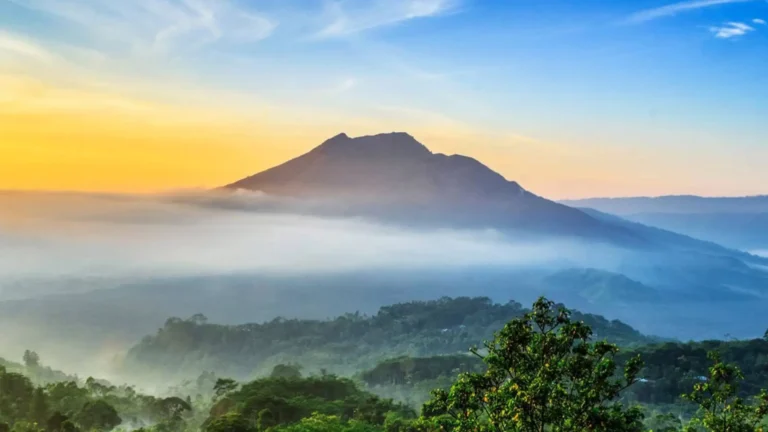
- Spectacular sunrise viewpoints offering panoramic vistas of the volcanic landscape
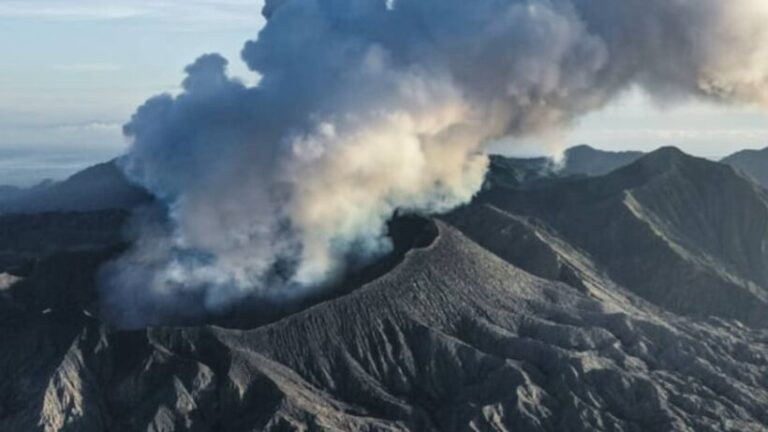
- Active volcanic features including fumaroles, mud pools, and sulfur springs
- Agricultural terraces where unique highland vegetables are cultivated
- Traditional Javanese villages where ancient customs are still practiced
The best time to visit Dieng Plateau is during the dry season from May to September when rainfall is minimal and visibility is optimal for sunrise viewing. According to the Central Java Tourism Board (2022), approximately 150,000 domestic and 25,000 international visitors explore Dieng Plateau annually, with peak visitation occurring during July and August.
Exploring the Spectacular Crater Lakes
One of the most captivating features of Dieng Plateau is its collection of stunning crater lakes, each with unique characteristics and colors. These lakes were formed in volcanic calderas and contain high concentrations of minerals that create their distinctive appearances.
The most famous crater lake is Telaga Warna (Color Lake), which displays a remarkable range of colors from green and blue to sometimes yellowish-red hues depending on the time of day and mineral content. The color variations are caused by high sulfur content and the presence of microorganisms that thrive in the mineral-rich waters. A walking path circles the lake, allowing visitors to appreciate its beauty from multiple vantage points.
Other notable crater lakes in the area include:
- Telaga Merdada: The largest crater lake in Dieng, surrounded by lush vegetation
- Telaga Pengilon: Known for its clear, reflective waters that mirror the surrounding landscape
- Telaga Cebong: A smaller lake with distinctive greenish waters
- Sileri Crater: An active crater with bubbling mud pools and strong sulfur emissions
When visiting these crater lakes, it’s important to follow safety guidelines as some areas may have toxic gas emissions. Local guides are available to ensure visitors explore safely while learning about the geological features and cultural significance of these natural wonders.
Witnessing the Unforgettable Dieng Sunrise
For many visitors, the highlight of their Dieng Plateau experience is witnessing the spectacular sunrise from one of the designated viewpoints. The most popular spot is Sikunir Hill, which requires a pre-dawn hike of approximately 30-45 minutes from the nearest parking area. The effort is rewarded with breathtaking views as the sun rises over the volcanic landscape, illuminating the surrounding peaks and valleys in golden light.
To make the most of your Dieng Plateau sunrise experience, consider these tips:
- Start early: Most tours depart between 4:00-4:30 AM to reach the viewpoint before dawn
- Dress warmly: Temperatures can drop to 5°C or lower in the early morning
- Bring a flashlight: The path to the viewpoint is dark and uneven in places
- Allow ample time: Plan to spend at least 2-3 hours for the complete sunrise experience
- Consider hiring a guide: Local guides can enhance your experience with cultural and geological insights
According to travel photographer Kenji Tanaka (2023), “The sunrise at Dieng Plateau offers one of the most dramatic light displays in Indonesia. The interplay between the morning mist, volcanic peaks, and changing light creates a truly magical atmosphere that’s worth the early start and chilly temperatures.”
Ancient Temples of Dieng Plateau
Beyond its natural wonders, Dieng Plateau is also home to some of Indonesia’s oldest Hindu temples, dating back to the 8th century. These ancient structures provide a fascinating glimpse into the region’s rich cultural heritage and the spread of Hinduism across the Indonesian archipelago.
The temple complex consists of several individual temples scattered across the plateau, each with unique architectural features and historical significance. The most notable temples include:
- Arjuna Temple Complex: A group of five temples dedicated to the Hindu god Shiva
- Semar Temple: Named after a character from the Mahabharata epic
- Srikandi Temple: Featuring intricate carvings and reliefs depicting Hindu deities
- Puntadewa Temple: One of the best-preserved temples in the complex
- Sembadra Temple: Known for its distinctive roof structure and detailed ornamentation
These temples were built during the Sanjaya Dynasty and represent some of the oldest surviving Hindu structures in Indonesia. According to Dr. Ratna Sari, archaeologist at the National Museum of Indonesia (2022), “The Dieng temples provide invaluable insights into early Indonesian Hindu-Buddhist art and architecture. Their remote location has helped preserve them from the destruction that affected many similar structures in more accessible areas.”
Practical Information for Visitors
When planning your visit to Dieng Plateau, several practical considerations will help ensure a smooth and enjoyable experience. The plateau’s remote location and high altitude require some advance preparation.
Getting to Dieng Plateau:
- From Yogyakarta: Take a bus to Wonosobo (approximately 3-4 hours), then continue by minibus to Dieng (1-2 hours)
- From Semarang: Direct buses to Wonosobo are available (approximately 4 hours), followed by local transport to Dieng
- Organized tours: Many travel agencies in Yogyakarta and Semarang offer day tours or overnight packages to Dieng
- Private car: Hiring a private driver offers the most flexibility, especially for sunrise viewing
- Budget: Basic homestays and guesthouses in the Dieng village area
- Mid-range: Small hotels in Wonosobo, approximately 1 hour from Dieng
- Luxury: Limited options in the immediate area, with higher-end hotels primarily in Wonosobo
What to pack for Dieng Plateau:
- Warm clothing (temperatures can drop significantly, especially at night and early morning)
- Waterproof jacket (sudden rain showers are common even in the dry season)
- Comfortable walking shoes with good grip
- Flashlight or headlamp for early morning sunrise viewing
- Sun protection (hat, sunglasses, sunscreen)
- Camera with extra batteries (cold temperatures drain battery life)
- Personal medications and basic first-aid supplies
- Cash in small denominations (ATMs are limited in the area)
Safety Considerations and Health Tips
Due to its high altitude and volcanic nature, visiting Dieng Plateau requires some health and safety precautions. The elevation of 2,000 meters can cause altitude-related symptoms in some visitors, especially those not accustomed to high altitudes.
Common altitude-related symptoms include:
- Headache
- Dizziness or lightheadedness
- Shortness of breath
- Fatigue
- Difficulty sleeping
To minimize altitude-related issues:
- Ascend gradually if possible, spending a night in Wonosobo before proceeding to Dieng
- Stay hydrated by drinking plenty of water
- Avoid alcohol and caffeine, which can contribute to dehydration
- Take it easy on your first day and avoid strenuous activity
- Consider consulting your doctor before travel if you have pre-existing health conditions
Additional safety considerations:
- Volcanic gases: Some areas may have toxic gas emissions. Always follow local guidance and stay away from restricted areas
- Weather conditions: Mountain weather can change rapidly. Check forecasts and be prepared for sudden changes
- Remote location: Medical facilities are limited. Carry any necessary medications and a basic first-aid kit
- Communication: Mobile phone coverage can be unreliable. Inform others of your travel plans
Dr. Sarah Johnson, travel medicine specialist (2023), advises that “While most visitors to Dieng Plateau experience no serious health issues, those with respiratory conditions, heart problems, or who are pregnant should consult their healthcare provider before traveling to high-altitude destinations like Dieng.”
Cultural Experiences and Local Life
Beyond its natural attractions, Dieng Plateau offers rich cultural experiences that provide insight into the traditional way of life in this unique highland region. The local population primarily consists of the Dieng people, who have developed distinctive cultural practices adapted to their volcanic environment.
Cultural highlights in the Dieng region include:
- Traditional farming practices: The plateau is known for its unique agricultural products, including highland vegetables like potatoes, carrots, and cabbage that thrive in the volcanic soil
- Dieng Cultural Festival: An annual event featuring traditional music, dance performances, and rituals
- Local handicrafts: Traditional weaving and pottery that reflect the region’s cultural heritage
- Culinary specialties: Unique dishes like “carica” (a local fruit preserve) and “tempeh kemul” (a local variation of the traditional fermented soybean cake)
One of the most distinctive cultural elements of Dieng Plateau is the traditional “ruwatan” ceremony, performed to ward off misfortune and seek blessings from ancestral spirits. These ceremonies often involve elaborate rituals, traditional music, and offerings at the ancient temples.
According to cultural anthropologist Dr. Made Wijaya (2022), “The people of Dieng have maintained a remarkable connection to their ancestral traditions despite modernization. Their cultural practices reflect a deep understanding of and respect for the powerful natural forces that shape their environment.”
Photography Tips for Dieng Plateau
Dieng Plateau offers exceptional opportunities for photography, with its dramatic landscapes, ancient temples, and vibrant cultural scenes. To capture the best images during your visit, consider these photography tips:
For sunrise photography:
- Arrive early to secure the best position at viewpoints like Sikunir Hill
- Use a tripod for stability in low-light conditions
- Experiment with different focal lengths to capture both wide vistas and details
- Shoot in RAW format to preserve the full dynamic range of the scene
- Consider bracketing exposures to handle the high contrast between bright skies and darker landscapes
For crater lake photography:
- Use a polarizing filter to reduce glare and enhance colors
- Visit during mid-morning when the light is more balanced
- Include human elements to provide scale and context
- Look for interesting reflections on the water’s surface
- Experiment with long exposures to create smooth water effects
For temple photography:
- Visit early in the morning or late in the afternoon for the best lighting
- Use a wide-angle lens to capture both the temples and their surroundings
- Look for interesting details and textures in the ancient stone carvings
- Consider including local visitors or worshipers to add cultural context
- Be respectful of any religious activities or restrictions
Professional landscape photographer Elena Rodriguez (2023) notes, “Dieng Plateau offers a unique combination of natural and cultural elements that make it incredibly rewarding for photographers. The key is patience—waiting for that perfect moment when light, landscape, and atmosphere align to create something truly magical.”
Is Dieng Plateau Right for You?
Dieng Plateau offers a distinctive travel experience that appeals to many types of travelers, but it may not be suitable for everyone. Consider whether this destination aligns with your interests, abilities, and expectations.
Dieng Plateau might be perfect for you if you:
- Enjoy natural landscapes and geological wonders
- Have an interest in ancient history and archaeology
- Appreciate cultural experiences and traditional ways of life
- Are comfortable with basic accommodations and facilities
- Don’t mind early morning starts for sunrise viewing
- Have reasonable physical fitness for walking at high altitude
You might want to reconsider or modify your plans if you:
- Have serious respiratory or cardiovascular conditions that could be affected by high altitude
- Require luxury accommodations and high-end amenities
- Dislike cold temperatures or early morning activities
- Have mobility issues that make walking on uneven terrain difficult
- Prefer beach destinations or tropical environments
- Are traveling with very young children who might struggle with the altitude and early starts
For those who decide that Dieng Plateau is the right destination, the rewards are substantial. The combination of natural beauty, cultural heritage, and unique geological features creates an experience that remains vivid in memory long after returning home.
Are you ready?
Ready to explore one of Java’s most extraordinary destinations? Start planning your Dieng Plateau adventure today by researching transportation options, checking seasonal conditions, and preparing for an unforgettable journey to this volcanic wonderland. The breathtaking sunrise views, colorful crater lakes, and ancient temples await your discovery!
Summary
- Dieng Plateau is a volcanic complex in Central Java, Indonesia, situated at 2,000 meters above sea level.
- The plateau features colorful crater lakes including Telaga Warna (Color Lake) with its naturally occurring hues.
- Ancient Hindu temples dating back to the 8th century are scattered across the plateau.
- Sikunir Hill offers spectacular sunrise views over the volcanic landscape and surrounding mountains.
- The best time to visit is during the dry season from May to September for clearer views.